Flávio Bolsonaro Edges Lula in Brazil's First Round, Setting Up Oct. 25 Runoff
The 45-year-old senator and Trump ally beat the polls Sunday, finishing ahead of the 80-year-old president, who will now fight for a fourth term in a three-week sprint.
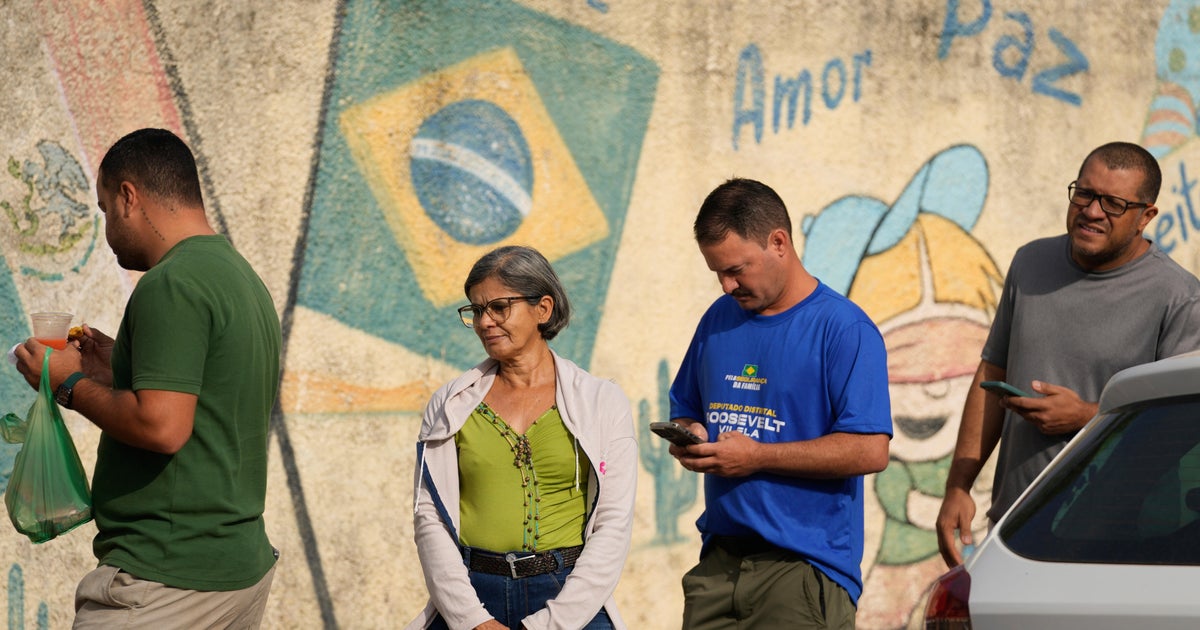
Sen. Flávio Bolsonaro, the 45-year-old son of Brazil's imprisoned former president, finished first in Sunday's presidential vote, ahead of incumbent Luiz Inácio Lula da Silva. Neither man cleared the 50% needed to win outright, so the two will meet in a runoff on Oct. 25 for the top job in Latin America's largest economy.
Brazil's electoral court in Brasília had Bolsonaro with just over 55.8 million votes to Lula's nearly 53.2 million. Earlier in the count, with nearly 85% of ballots reported, Bolsonaro led 48.47% to 43.49%, and that margin narrowed as votes from Lula's stronghold in the northeast came in more slowly. Private surveys before the vote had forecast Lula finishing about three points ahead in the first round, so the result is a clear miss for the pollsters and a jolt for the president's campaign.
Bolsonaro told reporters in Rio de Janeiro that he was counting on "a protest vote from people who would otherwise vote for another candidate but are opposed to Lula." Analysts told Reuters they believed many of those voters had been expected to hold their support for the second round. "Brazil needs change. Brazil can't stand so much suffering," Bolsonaro said after casting his ballot. Lula, 80, voted in São Bernardo do Campo and said "what is at stake is the future of Brazil."
The campaign was dominated by the cost of living, household debt, street crime and corruption. Public debt is above 82% of GDP, and the government has cut its growth forecasts to 2.0% for this year and 2.3% for next. A scandal around the collapsed Banco Master has engulfed much of the political class. Its former chief, Daniel Vorcaro, was arrested earlier this year and accused of a multibillion-dollar fraud scheme. Police are investigating Flávio Bolsonaro for alleged money laundering tied to the case. He denies wrongdoing, though he has confirmed raising millions of dollars from Vorcaro to fund a film about his father. The banker's ties to Supreme Court Justice Alexandre de Moraes, widely seen as a Lula ally, also plunged the court into crisis a month before the vote.
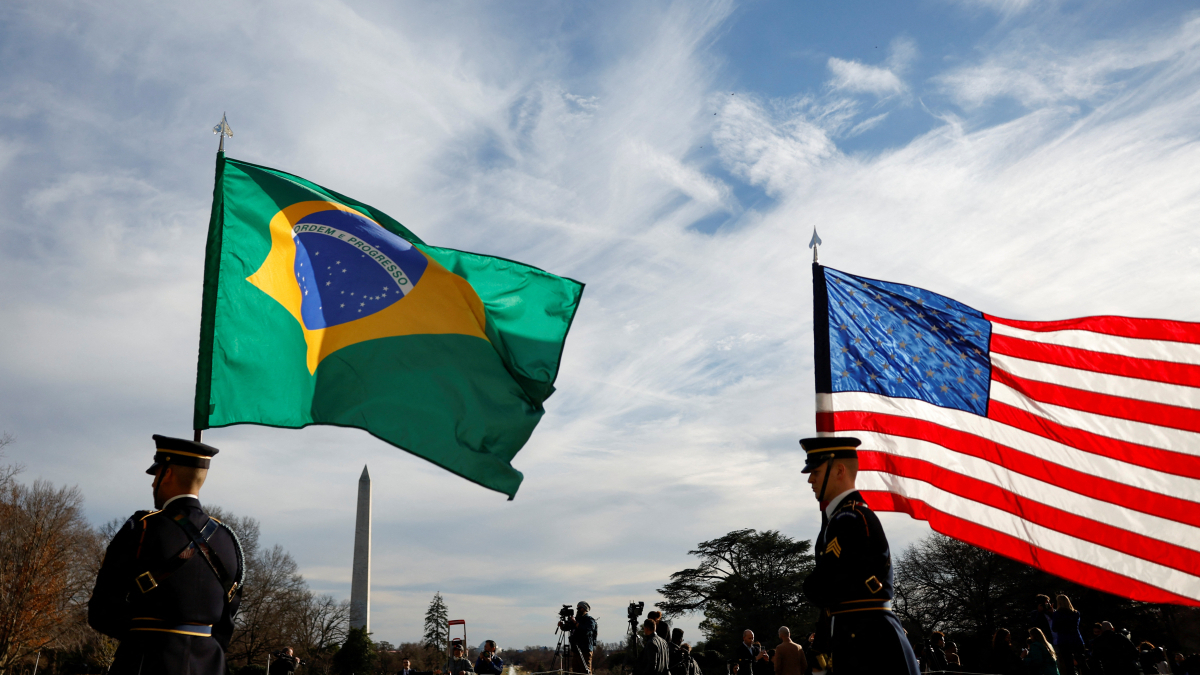
Washington loomed over the race. Lula has accused the Trump administration of trying to tilt the election toward Bolsonaro through tariffs, the revocation of the Brazilian ambassador's visa, and sanctions on government officials and one Supreme Court justice. The administration did not respond to a request for comment on whether it is seeking to influence the vote, and the U.S. has rejected claims of interference. Trump has not formally endorsed a candidate, but he hosted Flávio Bolsonaro at the White House and praised him publicly. Right-wing candidates aligned with Trump have won recent elections in Argentina, Colombia, Honduras and Peru.
Voters also picked all 513 members of the lower house and two-thirds of the Senate. Electoral court chief Kassio Nunes Marques said the vote ran normally, and the Organization of American States' observer mission said voting was going smoothly. No significant fraud has been detected since Brazil adopted electronic voting in the 1990s.
The runoff will turn on voters who backed other candidates. Ronaldo Caiado and Renan Santos, who drew moderate support Sunday, have said they will not endorse either finalist. Roughly half the country disapproves of the Bolsonaro family and roughly half disapproves of Lula's Workers' Party, according to multiple polls. Lula beat Jair Bolsonaro by about 2.1 million votes four years ago. Bolsonaro has promised a crackdown on criminal gangs, better deals with the Trump administration on rare minerals, and to bring his father back into politics. Lula is expected to lean on his social programs and his rival's legal troubles. The winner takes office Jan. 5, 2027, in a country of 214 million people.