Peru Votes in Knife-Edge Runoff Between Keiko Fujimori and Leftist Roberto Sanchez
Peruvians went to the polls Sunday in a polarizing presidential runoff pitting conservative Keiko Fujimori against leftist Roberto Sanchez, a contest that could reshape the country's direction for years.
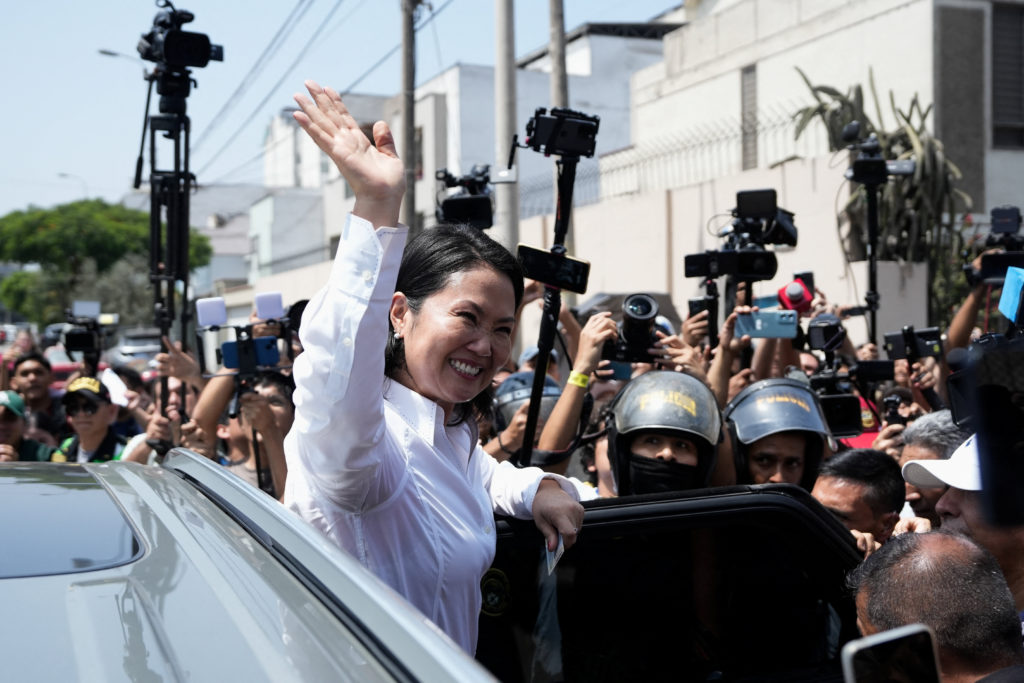
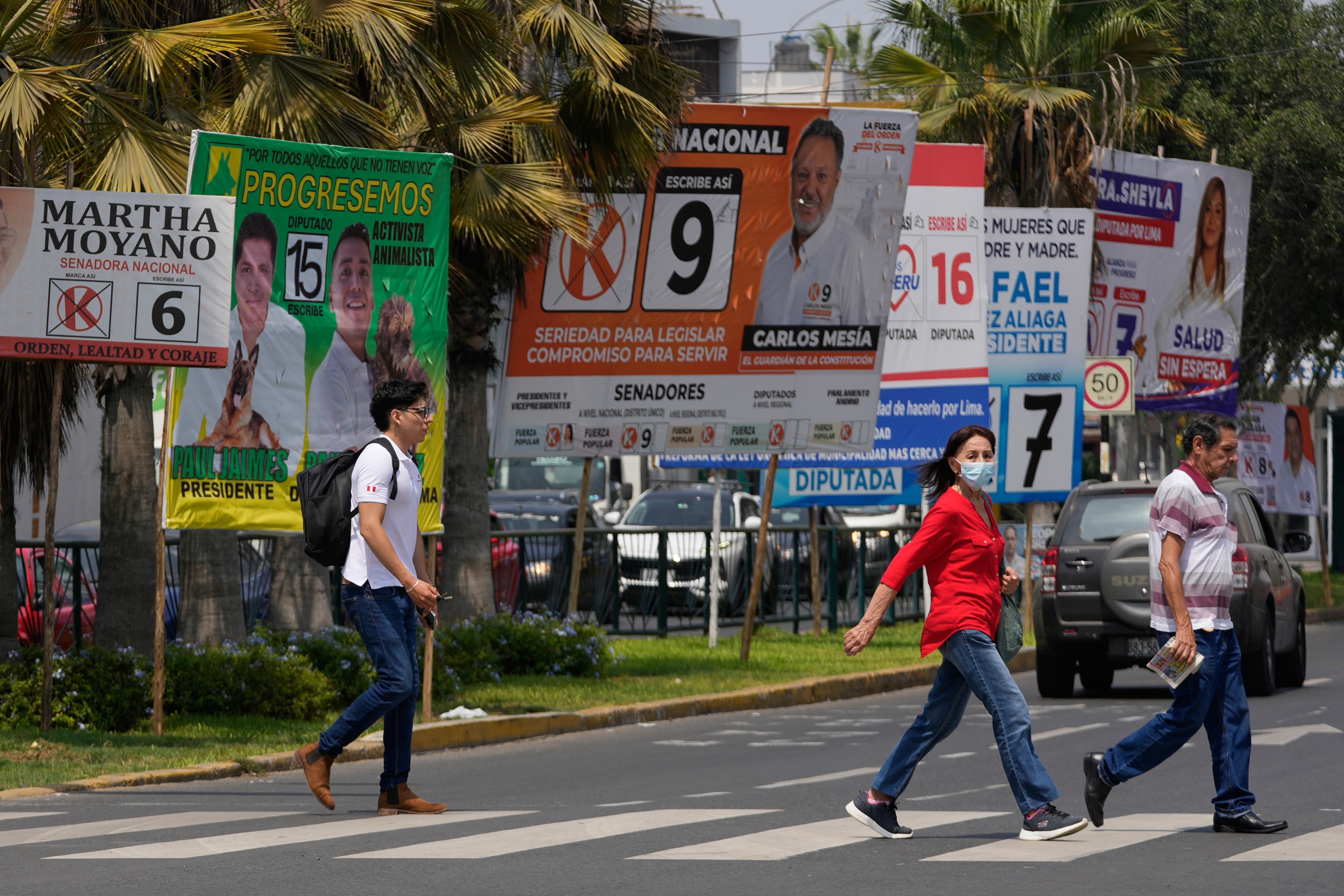
Peruvians voted Sunday in a tense presidential runoff that pits conservative politician Keiko Fujimori against leftist Roberto Sanchez, a polarized contest that polls suggested was too close to call and that could steer the Andean nation's politics for years to come.
Fujimori, the daughter of the late and controversial former president Alberto Fujimori, leads the right-wing Popular Force party. She finished first in the April first round with 17.19 percent of the vote in a crowded field, narrowly ahead of Sanchez, of the Juntos por el Peru party, who took 12.03 percent to secure the second runoff slot. The fragmented results reflected a deeply divided electorate and a political class battered by years of instability and corruption investigations.
Sanchez, an ally of ousted former president Pedro Castillo, has campaigned on a left-leaning platform appealing to rural and working-class voters who feel left behind by Peru's mining-driven economy. Fujimori has cast herself as a guarantor of stability and market-friendly policies, courting business and urban conservative voters wary of a return to the kind of left-wing populism that ended in Castillo's removal and arrest.
The runoff caps one of the most turbulent stretches in Peru's modern history. The country has churned through a series of presidents in recent years amid impeachments, resignations and corruption scandals that have eroded public trust in government institutions and left voters exhausted by repeated political crises. Street protests, sometimes deadly, have repeatedly convulsed Lima and the country's southern highlands.
Whoever prevails will inherit a daunting agenda: reviving sluggish growth, confronting crime and sprawling informal economies, and governing with a fractured congress that has toppled multiple leaders. Both candidates carry heavy political baggage, and analysts cautioned that the winner is likely to take office with thin legitimacy in a country where the margin between the two camps has been razor-thin and distrust of the political establishment runs deep.
For Fujimori, the contest marks yet another attempt at the presidency after narrow defeats in previous campaigns, and a victory would cap a remarkable comeback for a political dynasty that has dominated and divided Peruvian politics for decades. For Sanchez, an outsider with a far thinner national profile, the runoff offers a chance to channel the grievances of voters who feel ignored by Lima's elite.
International observers and Peru's electoral authorities prepared for a long count, with results expected to trickle in after polls closed. The outcome is being closely watched across Latin America as a barometer of whether the region's recent leftward and rightward swings will continue, and as a test of whether Peru can finally break its cycle of short-lived, embattled governments.