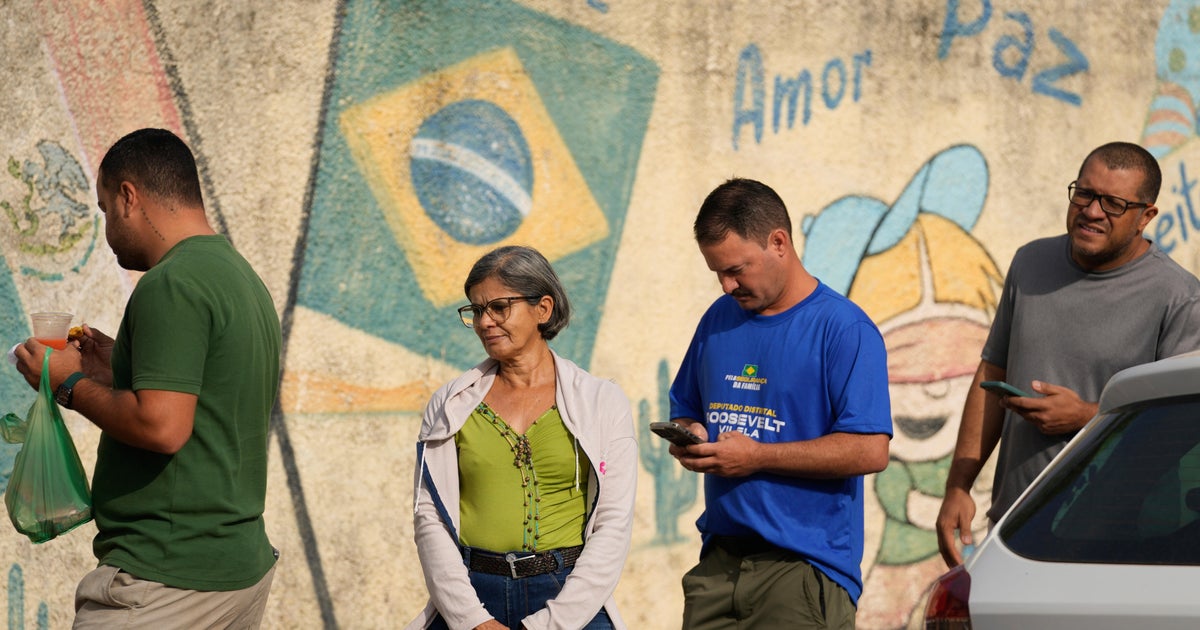
Brazil Denies Visas to Two Trump State Department Officials Sent to Question Its Voting Machines
Brasília refused entry to Riley Barnes and Samuel Samson, saying the mission was a renewed attempt to delegitimize Brazil's electronic voting system ten weeks before Lula faces Flávio Bolsonaro.
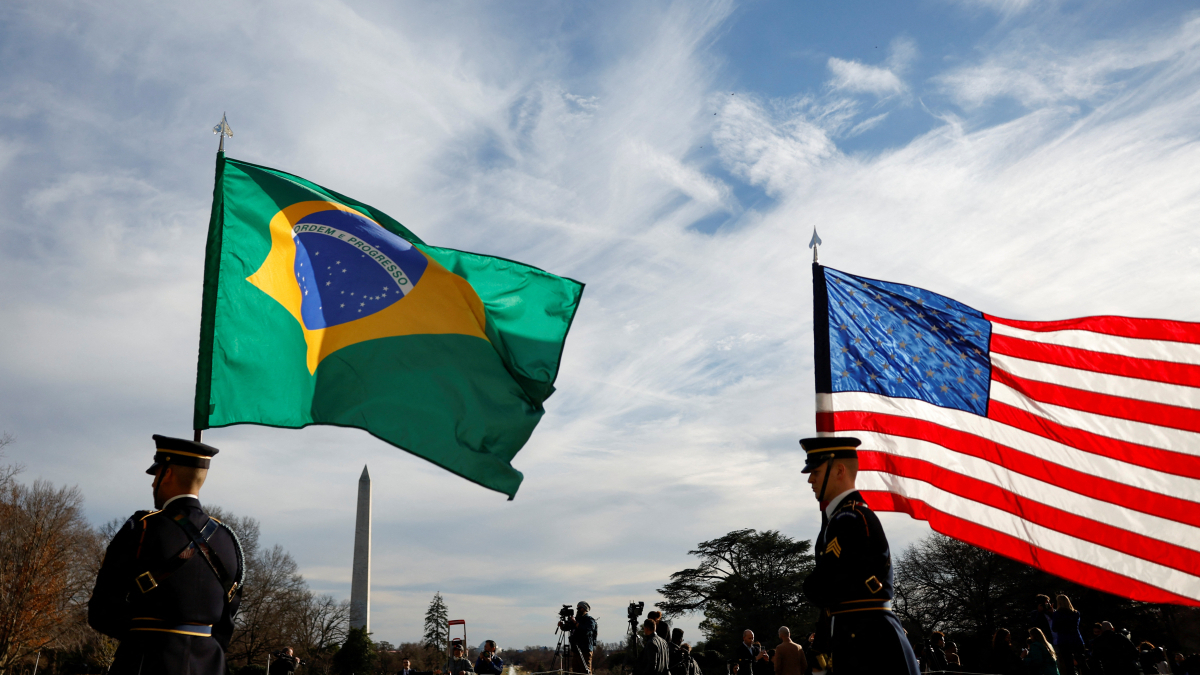
Brazil has refused to grant visas to two senior U.S. State Department officials the Trump administration planned to send on a mission questioning the integrity of the country's electoral system, two Brazilian officials told Reuters, speaking on condition of anonymity because of the sensitivity of the matter. The refusal came on Friday, roughly ten weeks before Brazilians vote in a presidential election on October 4.
The delegation was to include Riley M. Barnes, an assistant secretary who leads the State Department's Bureau of Democracy, Human Rights and Labor, and Samuel Samson, a deputy assistant secretary. Both are political appointees. Brazilian officials said they concluded that the Americans intended to meet with critics of the country's electronic voting machines and produce a report that could later be used to argue the results were not credible. One official said the visa rejections were based on evidence pointing to a renewed attempt to politically exploit the situation and undermine the electoral system.
The plan was first reported by The Washington Post and subsequently confirmed by Reuters. The State Department did not immediately respond to a request for comment.
Brazil has used fully electronic voting since 1996, and its Superior Electoral Court has repeatedly defended the system against claims of fraud, none of which have been substantiated in the three decades since. Those claims became the organizing argument of former President Jair Bolsonaro's campaign against the machines, which culminated in the January 8, 2023 storming of Brazil's Congress, Supreme Court and presidential palace by his supporters. Bolsonaro was subsequently barred from holding office until 2030 for abusing his authority to attack the voting system.
The October election pits leftist incumbent Luiz Inácio Lula da Silva against Senator Flávio Bolsonaro of Rio de Janeiro, the former president's son and a close Trump ally, who was formally nominated as the Liberal Party's candidate this week. The contest has become entangled with Washington in a way that has few modern precedents. In July, President Trump imposed 25% tariffs on Brazilian goods, sparing coffee and beef, in a move Brasília read as retaliation for the legal proceedings against the elder Bolsonaro.
Diplomatic visas are ordinarily approved as a formality between countries with full relations, and denying them to serving American officials is a deliberately conspicuous act. It signals that Brazil's foreign ministry, Itamaraty, is willing to absorb a confrontation with Washington rather than allow what it regards as a foreign intervention in the campaign to proceed on Brazilian soil.
The episode fits a broader pattern in which the Bureau of Democracy, Human Rights and Labor, historically the State Department office that scrutinized authoritarian governments abroad, has been redirected under the current administration toward examining the electoral practices of democracies whose governments Washington opposes. Officials in Brasília have said privately that they expect further pressure between now and October, and that the government intends to answer it through the electoral court rather than through public confrontation.