Trump Slaps 25% Tariffs on Brazil Over 'Unfair' Trade, Sparing Coffee and Beef
The duties, taking effect July 22 under Section 301, follow a yearlong probe into Brazil's digital-trade, ethanol and deforestation policies, with Secretary of State Marco Rubio blaming President Lula for refusing to 'negotiate in good faith.'

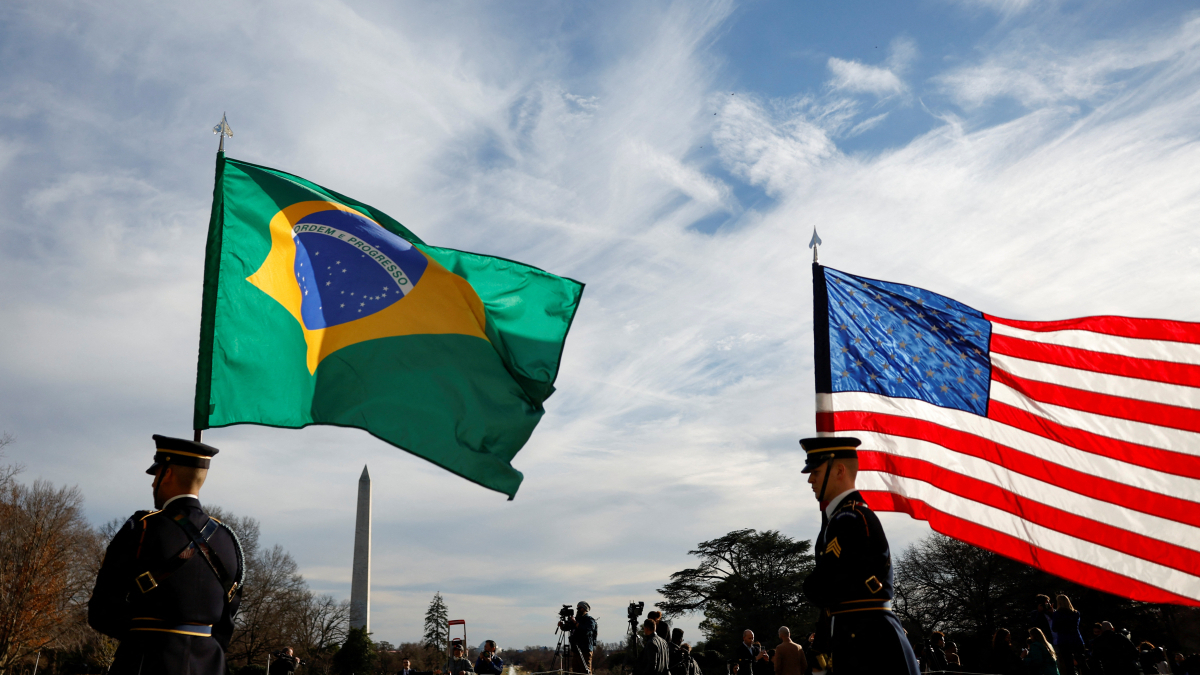
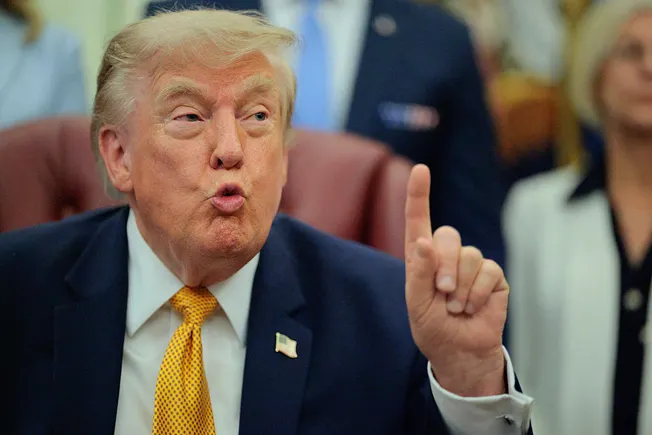
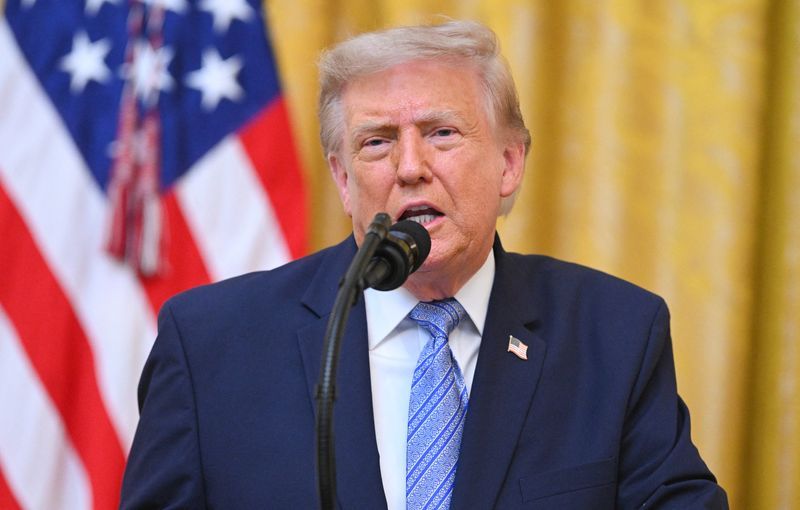
The Trump administration announced Tuesday that it will impose a 25% tariff on a wide range of Brazilian imports beginning July 22, escalating a trade dispute with Latin America's largest economy after concluding that Brazil engages in a broad pattern of unfair practices.
The Office of the U.S. Trade Representative said a yearlong investigation found that Brazilian policies on digital trade, tariffs, intellectual property, ethanol access and deforestation "burden U.S. commerce." The USTR also cited what it called lax anti-corruption enforcement and Brazil's own unreasonable tariffs. The new duties are being levied under Section 301 of the Trade Act of 1974, the same statute the administration has used to target other trading partners.
The tariffs stop short of a blanket levy on all Brazilian goods. Coffee, beef, oranges and orange juice, some oil and gas energy products, and aerospace parts and components are exempted — a nod to American consumers and industries that rely heavily on Brazilian supply. Even so, the measure covers a substantial share of the roughly $40 billion in goods the United States imports from Brazil each year.
Secretary of State Marco Rubio framed the action as a response to Brazilian intransigence rather than a first strike. "Let there be no confusion about why: President Lula and his government have not negotiated with the U.S. in good faith," Rubio said, adding that "for the past year, Lula has put his own ego ahead of making a deal for the welfare of the Brazilian people." The pointed language signaled a further deterioration in relations between Washington and the leftist government in Brasilia.
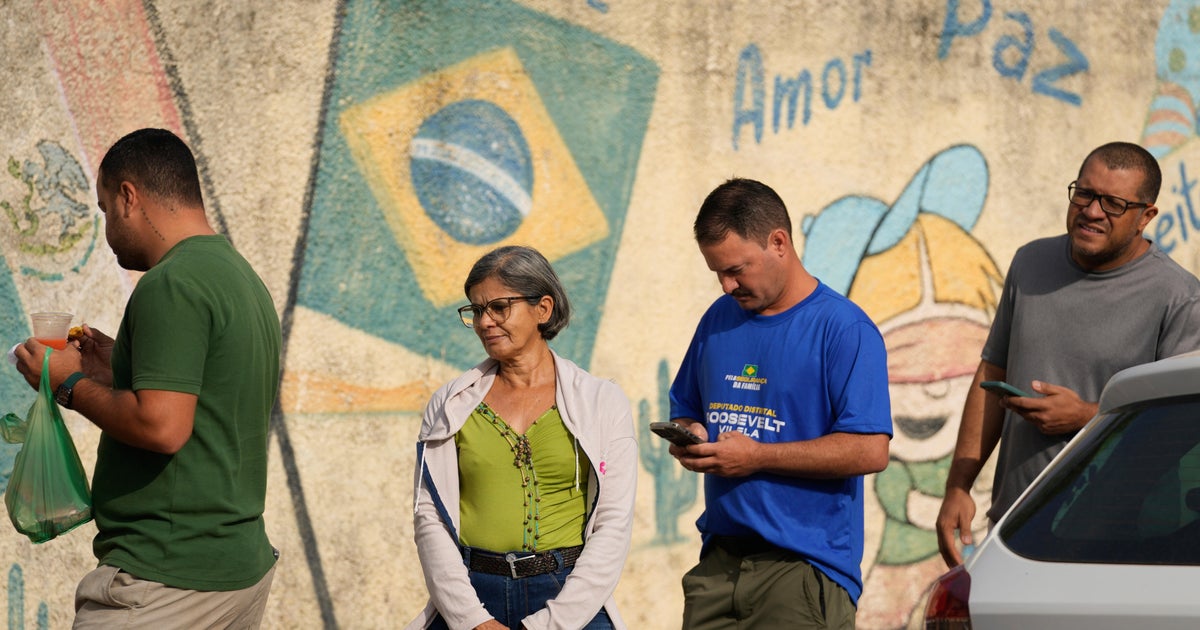
Brazilian officials have bristled at the U.S. pressure and warned that retaliatory measures remain on the table, raising the prospect of a tit-for-tat exchange between the hemisphere's two largest economies. Economists cautioned that the duties could raise prices on Brazilian-made industrial goods and further strain global supply chains already rattled by trade tensions elsewhere.
For the White House, the move fits a familiar playbook: wielding tariffs as leverage to force concessions on a laundry list of grievances, from digital-services rules to environmental policy. Whether the threat brings Brazil back to the table or hardens Lula's resistance may become clear only after the tariffs take effect on July 22 — and after Brasilia decides how forcefully to respond.