Tropical Storm Maysak's Floods Kill 39 in Southern China as a Dam Breach Swallows Nanning
Days of torrential rain from Tropical Storm Maysak triggered a dam failure that inundated the Guangxi capital, killing at least 39 people and forcing about 130,000 residents to flee as rescuers deployed drones and thousands of boats.
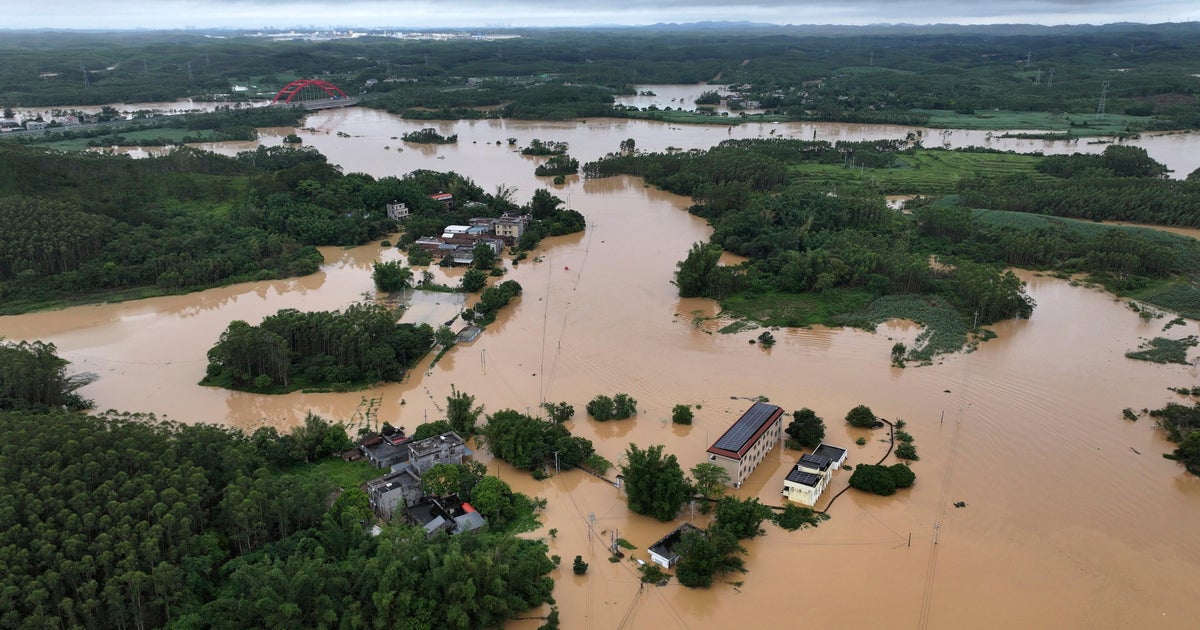
Flooding unleashed by Tropical Storm Maysak has killed at least 39 people across southern China, most of them in the regional capital of Nanning, where a dam breach sent a wall of water surging through low-lying neighborhoods, state media reported. Nine people remained missing across the broader Guangxi region as search-and-rescue crews pressed into flooded districts that had been cut off for days.
The single deadliest episode came when the dam gave way outside Nanning, a city of roughly seven million people. The breach killed 26 residents, according to Chinese authorities, after cumulative rainfall overwhelmed the structure and swept into streets already brimming with runoff. Officials said heavy rain had battered southern Guangxi for the better part of a week, dumping between 10 and 40 centimeters (4 to 16 inches) of rain across much of the region and more than 90 centimeters (35 inches) in the hardest-hit areas.
About 130,000 people have been evacuated from the region, part of one of the largest disaster-relief mobilizations China has mounted this year. Rescue teams deployed drones and roughly 5,700 boats to reach residents trapped on rooftops and upper floors, ferrying out the stranded and delivering drinking water, food and medical supplies to communities the floodwaters had isolated. Video shared by Chinese outlets showed rescuers wading chest-deep through brown water and guiding inflatable craft down what had been city streets.
Recovery efforts were beginning even as the water receded. Crews restored electricity to more than 60,000 homes, and repair teams fanned out to reopen washed-out roads and shore up damaged embankments. Local governments warned that the risk of secondary disasters — including landslides and further dam and reservoir stress — would persist as saturated ground gave way and additional storms tracked across the South China Sea.
Guangxi, a mountainous, river-laced region bordering Vietnam, is especially vulnerable to the intense rainfall that tropical systems dump as they come ashore and stall over the interior. Scientists have warned that a warming climate is loading the atmosphere with more moisture, intensifying the downpours that drive the kind of flash flooding and dam-straining deluges seen this month. China has spent heavily on flood-control infrastructure in recent decades, but the Nanning breach underscored how quickly extreme rain can outpace even hardened defenses, turning an ordinary summer storm into a lethal catastrophe within hours.
The disaster arrives during a punishing summer flood season that has strained emergency services across much of central and southern China. Provincial authorities have activated emergency response protocols, dispatched medical teams to shelters and pledged compensation for families who lost homes and farmland. Meteorologists warned that the ground across Guangxi remains dangerously saturated, meaning even moderate rainfall in the coming days could trigger fresh landslides and swell rivers that have yet to fully recede.