EU Bans Sudanese Gold and Restricts Mercury Exports to Choke Off Civil-War Financing
European foreign ministers approved a Dutch-French initiative barring purchases of gold from Sudan and blocking exports of the mercury and cyanide used to mine it, targeting a revenue stream that has fueled more than two years of war.
The European Union has moved to cut off one of the most important sources of funding for Sudan's civil war, banning the purchase, import and transfer of gold originating in the country and restricting exports of the chemicals used to extract it. EU foreign ministers greenlit the measures, built on a Dutch-French initiative, as international alarm mounts over how Sudan's mineral wealth is being weaponized to sustain a conflict that erupted in April 2023.
The sanctions have two main components. The first is a direct prohibition on bringing Sudanese gold into EU member states. The second bans the sale, supply, transfer or export of mercury and cyanide to Sudan — toxic chemicals widely used in artisanal and small-scale gold mining — though supplies needed for humanitarian and public-health purposes are exempt from the restriction.
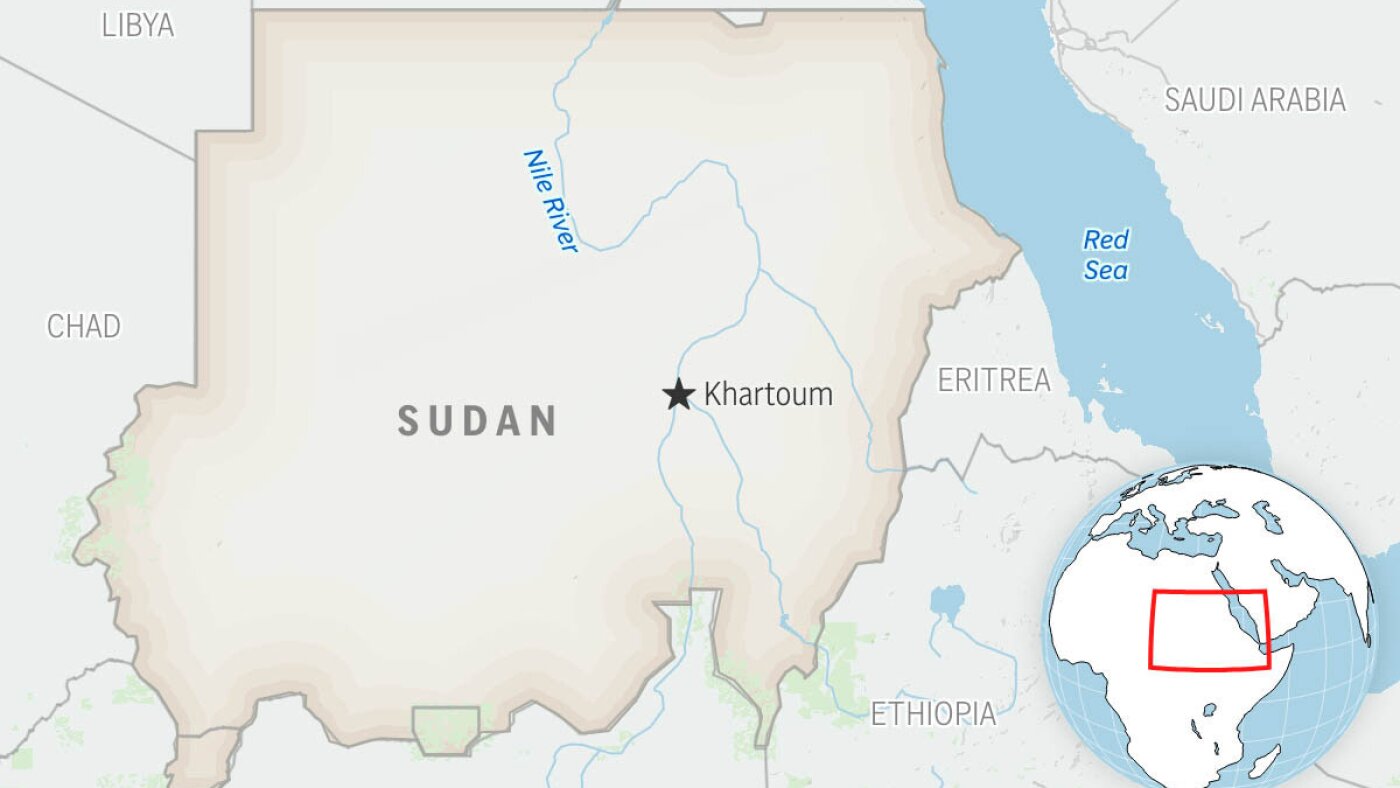
Control of Sudan's goldfields is split along the front lines of the war. The paramilitary Rapid Support Forces control most of the goldfields in Darfur and Kordofan, in the country's western and central regions, while the Sudanese army oversees production in the north and east. Both sides have leaned on gold revenue to buy weapons and pay fighters, turning the precious metal into a lifeline for a war that has devastated the nation.
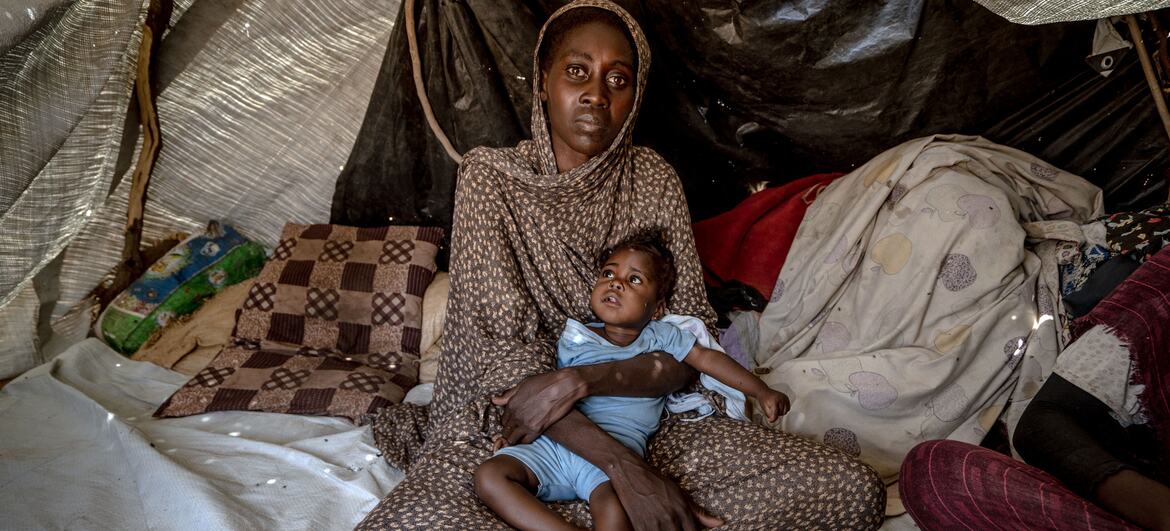
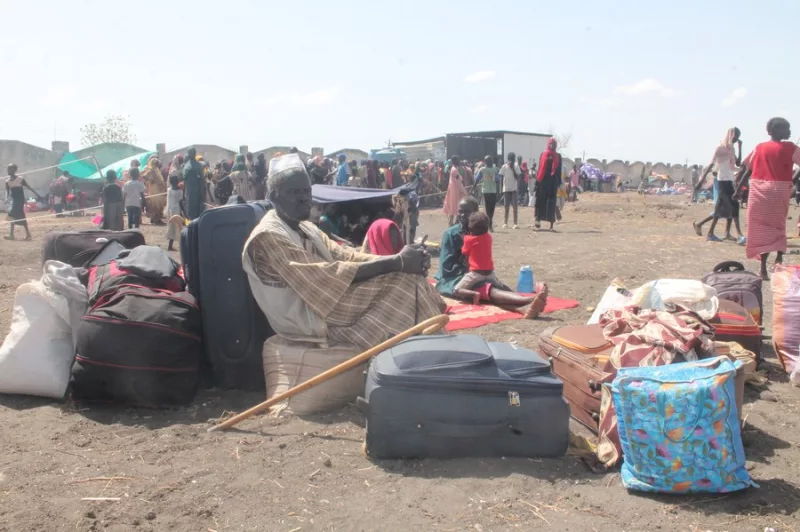
The humanitarian toll has been staggering. The conflict between the army and the RSF has displaced more than 14 million people and left over 28 million facing acute hunger, according to figures cited by the EU, which said the sanctions are intended to reduce the financial resources sustaining the fighting. Aid agencies have described Sudan as the site of one of the world's largest displacement and hunger crises, even as it draws a fraction of the global attention devoted to other wars.
Analysts cautioned that the measures may struggle to bite unless they are matched by tighter enforcement elsewhere. By some estimates, more than half — and possibly as much as 70% — of Sudan's gold is smuggled out of the country each year, moving through regional transit routes and into major international trading hubs before reaching global markets. Without cooperation from those hubs, experts warned, sanctions imposed by Brussels alone are unlikely to halt a trade that has proved remarkably adept at evading scrutiny.
Still, European officials argued that the measures raise the cost and complexity of monetizing Sudanese gold and send a clear signal that the EU will not let its markets become a conduit for war financing. Campaigners have long pressed Western governments and Gulf trading centers to trace the origins of gold entering global supply chains, noting that once the metal is refined and mixed, its provenance becomes nearly impossible to establish. The new restrictions, they said, are a step toward closing that loophole — but only a first step in a far larger effort to sever the link between Sudan's mineral wealth and its bloodshed.