Inflation Cools to 3.5% in June as S&P 500 Climbs, Easing Fears of Fresh Fed Rate Hikes
Consumer prices unexpectedly fell 0.4% last month, dragging the annual rate down from May's three-year high and pushing the S&P 500 back toward record territory as bets on a rate increase faded.

American consumers caught a rare break in June, as the government reported Tuesday that inflation cooled far more sharply than economists had expected — a surprise that jolted Wall Street higher and cooled talk of another interest-rate increase from a Federal Reserve that had turned decidedly hawkish.
The Consumer Price Index fell a seasonally adjusted 0.4% for the month, the Bureau of Labor Statistics said, pulling the annual inflation rate down to 3.5%. That marked a steep retreat from May's 4.2% reading, which had been the highest in three years after a spike in energy prices tied to the war with Iran. Economists surveyed by Dow Jones had penciled in a much smaller 0.2% monthly decline and a 3.8% annual rate, making the report one of the biggest downside surprises in months.
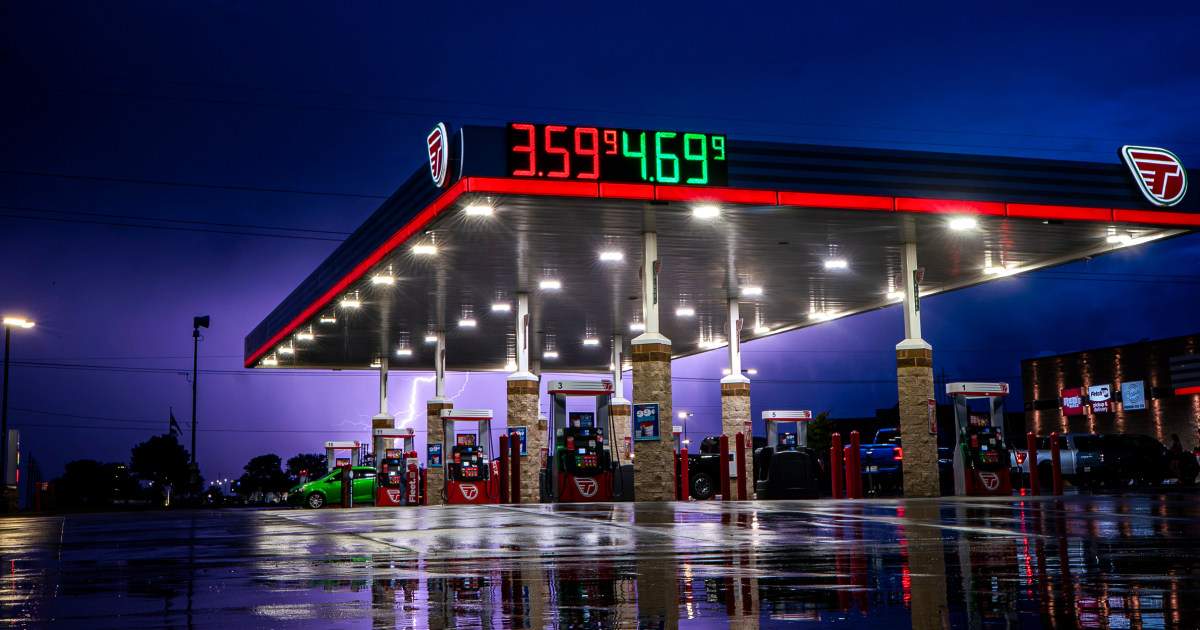
Much of the relief came from energy. Gasoline and other fuel prices, which had surged as fighting threatened the Strait of Hormuz and rattled global oil markets, retreated during June and dragged the headline index lower. Core inflation, which strips out volatile food and energy costs and is watched more closely by the Fed as a gauge of underlying pressure, was unchanged from May, leaving its 12-month rate at 2.6% — within striking distance of the central bank's 2% goal.
Investors reacted with relief. The S&P 500 finished up 0.38% at 7,543.59, edging back toward the record it set in June, while the tech-heavy Nasdaq Composite advanced 0.9% to close at 26,107.01. Semiconductor stocks led the rally, recovering some of the ground lost during a punishing chip sell-off earlier in the month. Government bonds rose as well, sending yields lower as traders unwound wagers on a near-term rate hike.
The report lands at a delicate moment for the central bank. Under Chair Kevin Warsh, the Fed held its benchmark rate steady in June and struck an unusually hawkish tone, warning that the Iran-driven energy shock could force it to consider raising rates rather than cutting them. A cooler-than-expected June print gives policymakers breathing room, though officials have repeatedly cautioned that a single month does not make a trend.
Wall Street enters the second half of the year on firmer footing after posting its best first half since 1991. But strategists warned that the outlook remains hostage to events in the Middle East, where any renewed disruption to oil supplies could quickly reverse June's progress.
For households squeezed by three years of elevated costs, the numbers offered a measure of hope that the worst of the post-pandemic inflation era may finally be easing — even as economists stressed that the fragile improvement could prove short-lived if the conflict reignites.