U.S. Naval Blockade of Iran Takes Effect at the Strait of Hormuz, Ships Now Subject to Capture
The Pentagon's blockade of every Iranian port and oil terminal went into force at 4 p.m. Eastern, with any non-compliant vessel now liable to interception, diversion or seizure by force.
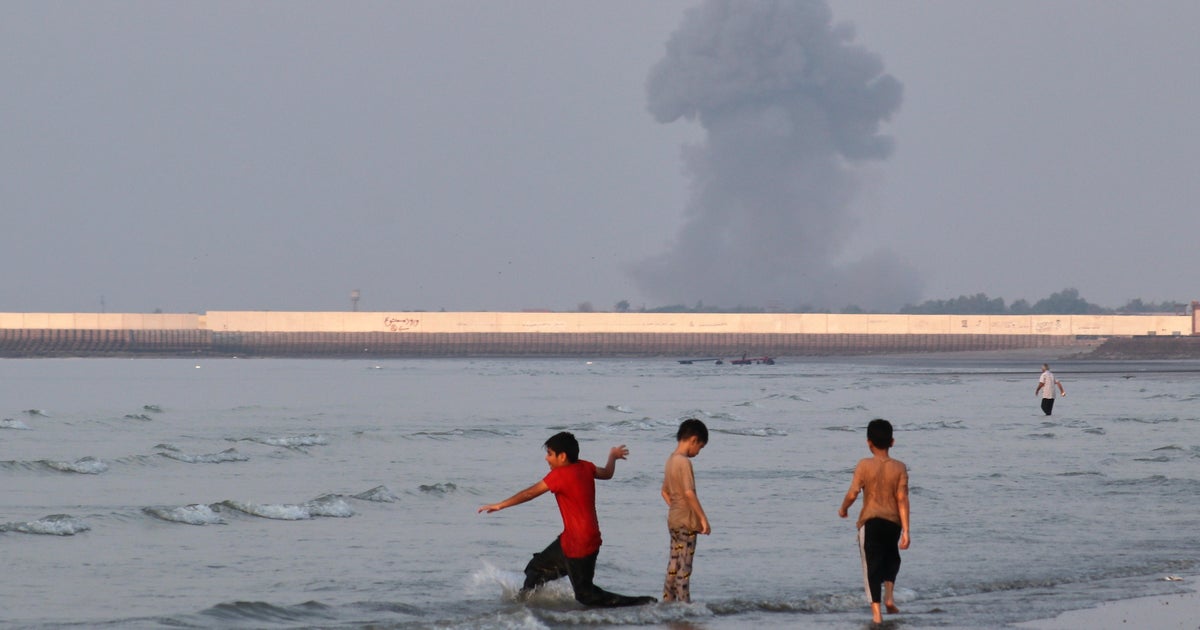
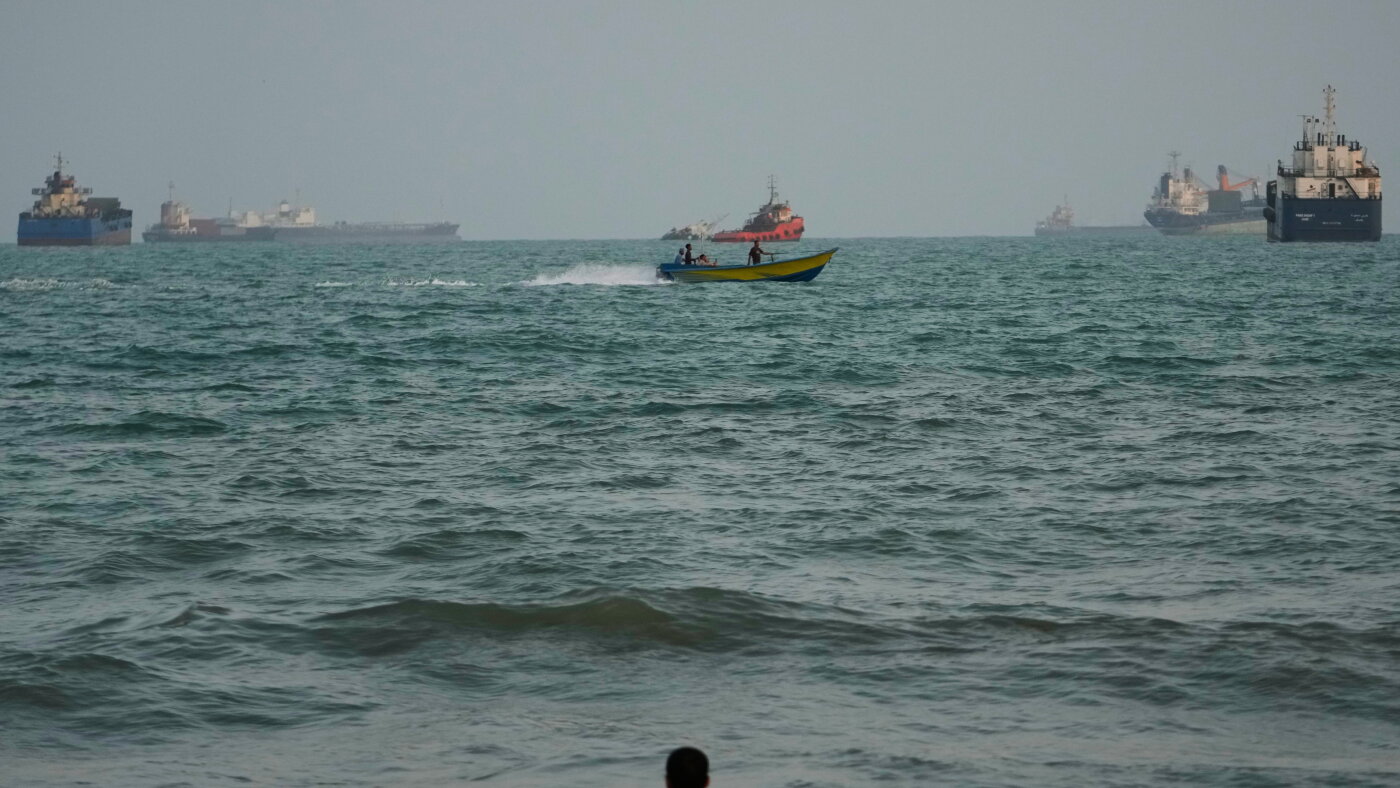
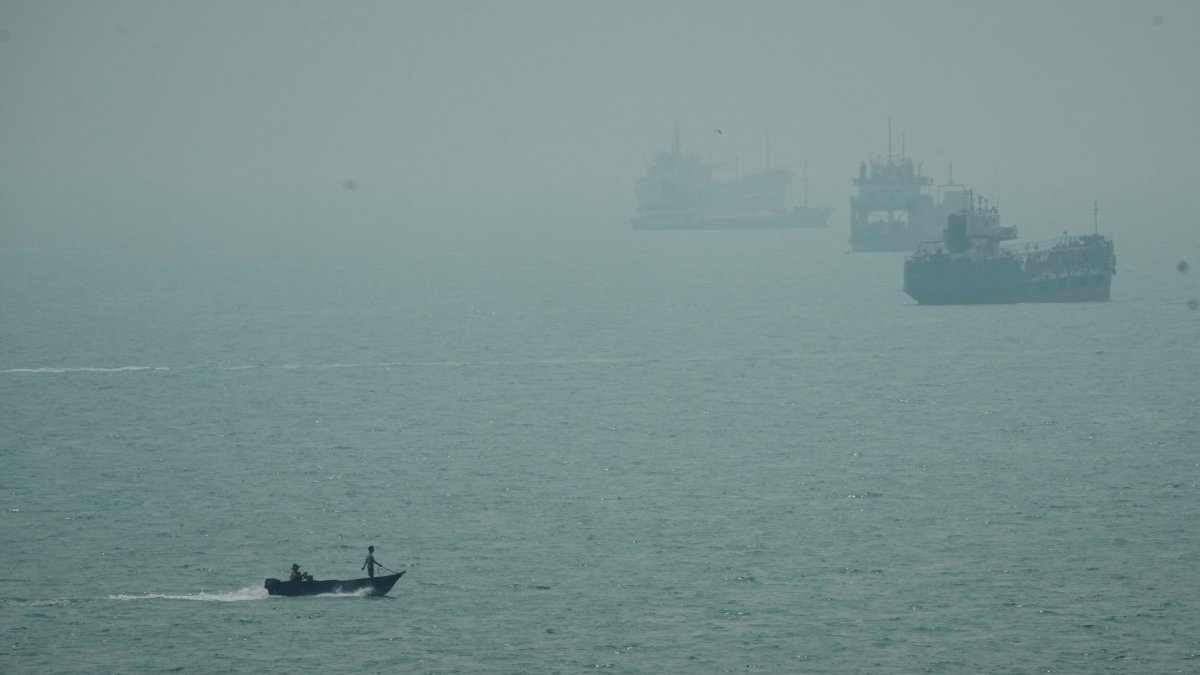
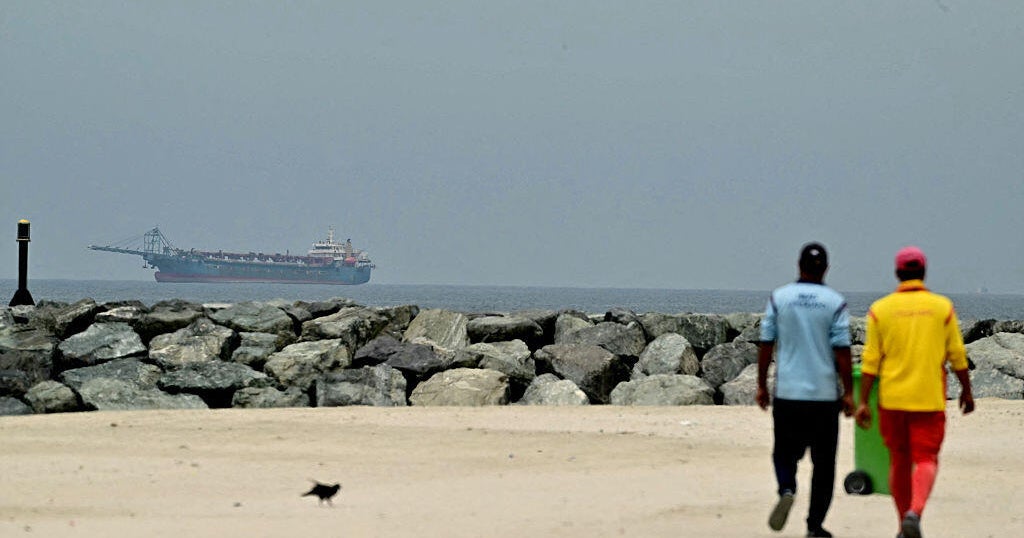
A United States naval blockade of Iran formally took effect Tuesday afternoon, closing off every Iranian port, oil terminal and stretch of coastline to shipping and sharply raising the risk of a direct clash in one of the world's most important energy corridors. U.S. Central Command said the blockade began at 4 p.m. Eastern time — 20:00 GMT — and applies to all vessels regardless of the flag they fly.
Under the rules announced by CENTCOM, any ship suspected of entering or leaving the blockaded zone without authorization is now subject to interception, diversion and capture, and commanders are permitted to compel non-compliant vessels by force. The military said neutral traffic passing through the Strait of Hormuz bound for non-Iranian destinations would not be impeded, an attempt to limit the damage to global commerce even as roughly a fifth of the world's seaborne oil moves through the waterway.
The move marks the sharpest escalation yet in a rapidly unraveling standoff between Washington and Tehran. President Donald Trump announced the reinstatement of the blockade on Monday, days after formally notifying Congress that the country was again engaged in military action against Iran — a step that opened a fresh 60-day window for operations without additional congressional approval. It followed a third consecutive night of American strikes and Iran's own declaration that it considered the strait closed.
Trump also insisted the United States would be compensated for the operation, claiming Washington would be "reimbursed" at a rate of 20 percent for guaranteeing safe passage to cargo ships — a toll arrangement whose legal basis and seriousness were not immediately clear. Oil prices climbed on the announcement as traders braced for disruption, and Republicans privately voiced worry that higher gasoline prices could hurt the party heading into the midterm elections.
Iran has vowed to assert its own control over the strait and warned the United States against interfering with its shipping, setting up the possibility that American and Iranian forces could confront each other at sea for the first time in the current conflict. Analysts noted that a sustained blockade would test the willingness of neutral shippers, insurers and Gulf states to keep operating in the region. For now, the Pentagon says its warships are in position and enforcing the closure, and any vessel that ignores the order does so at its own peril. The confrontation has already rippled across the wider Gulf: Kuwait's state oil company reported that an Iranian strike hit an offshore rig and several land border posts in recent days, a sign of how fast the fighting has spread beyond the strait itself. Shipping insurers and tanker operators, meanwhile, are weighing whether the risk of sailing near Iranian waters has simply become too high, a calculation that could throttle regional oil exports long before any American warship fires a shot. European broadcasters and wire services covering the enforcement reported no immediate interceptions in the opening hours, but with warships on station and Tehran refusing to back down, both governments have left themselves little room to retreat.