Marco Rubio Is Running Venezuela From Washington as 'De Facto Viceroy,' Report Finds
Months after U.S. forces seized Nicolás Maduro, the secretary of state is said to control Venezuela's finances, oil and cabinet appointments — directing its acting president by text message.

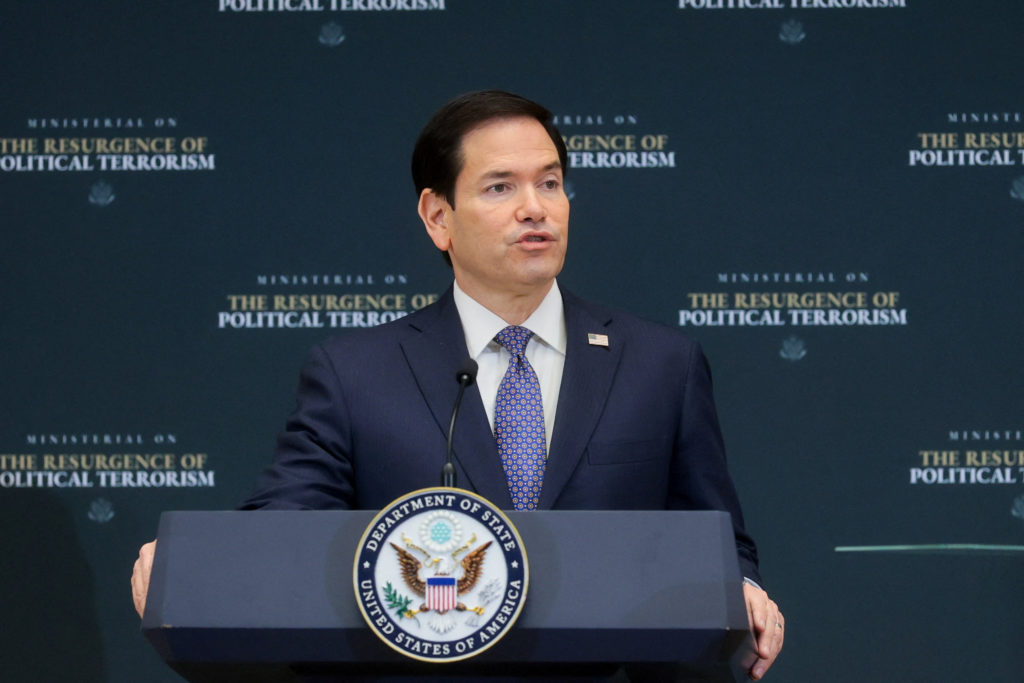
Secretary of State Marco Rubio has become the de facto ruler of Venezuela, effectively controlling the country's finances, the distribution of its vast natural resources and the appointments to its government from an office in Washington, according to a report that officials in both governments say has earned him a stark nickname: viceroy.
Rubio's informal but sweeping role took shape after U.S. forces attacked Venezuela in January and captured its longtime president, Nicolás Maduro, along with his wife, Cilia Flores, in a night-time raid. In the months since, the report by The New York Times found, Rubio has been running the country from afar — steering decisions that would ordinarily belong to a sovereign government thousands of miles away.
On paper, Venezuela is now led by Delcy Rodríguez, Maduro's former vice president, who has served as acting president since the raid. In practice, according to the account, Rubio directs her from Washington, maintaining close contact through WhatsApp messages in which he shapes her decisions on everything from the choice of defense ministers to the granting of business licenses. Even Rodríguez's public appearances and official statements are said to be coordinated with the secretary of state, leaving her with the title of president but little of its independent authority.
The Times likened Rubio's position to that of Paul Bremer, the American envoy installed by President George W. Bush to run Iraq after the 2003 U.S. invasion — a comparison that underscores how far the United States has extended its control over Venezuela's internal affairs. Rubio, who also serves as national security adviser, has reportedly overseen the country's oil sector and foreign policy without ever setting foot in Caracas since the operation.
The revelation drew sharp condemnation from legal scholars and lawmakers, some of whom called the arrangement unconscionable and raised the prospect of impeachment. Critics argued that having a cabinet official personally administer a foreign nation blurs constitutional lines and echoes an earlier era of American intervention in Latin America, when Washington installed and removed governments across the hemisphere.
Supporters of the administration have framed the effort as necessary stabilization following the removal of an authoritarian leader long accused of rigging elections and hollowing out Venezuela's economy. But the picture that emerges — a U.S. secretary of state quietly issuing orders to a nominal president over a messaging app — is likely to intensify scrutiny of an operation that began with a dramatic military raid and has since hardened into something closer to administration. As questions mount over how long the arrangement will last and what legal authority underpins it, Venezuela's sovereignty has become, in effect, an open question decided in Washington.