Philadelphia Declares Disaster Emergency After Microbursts Rip Off Roofs and Knock Out Power to Tens of Thousands
Mayor Cherelle Parker signed a disaster declaration as sudden, violent downbursts tore through West and South Philadelphia, downing trees, crushing cars and leaving crews working for days to clear the wreckage.
Philadelphia was still digging out Monday from a series of ferocious storms that tore across the city over the weekend, after Mayor Cherelle Parker signed a Declaration of Disaster Emergency to speed the cleanup from what forecasters described as a rapid succession of microbursts.
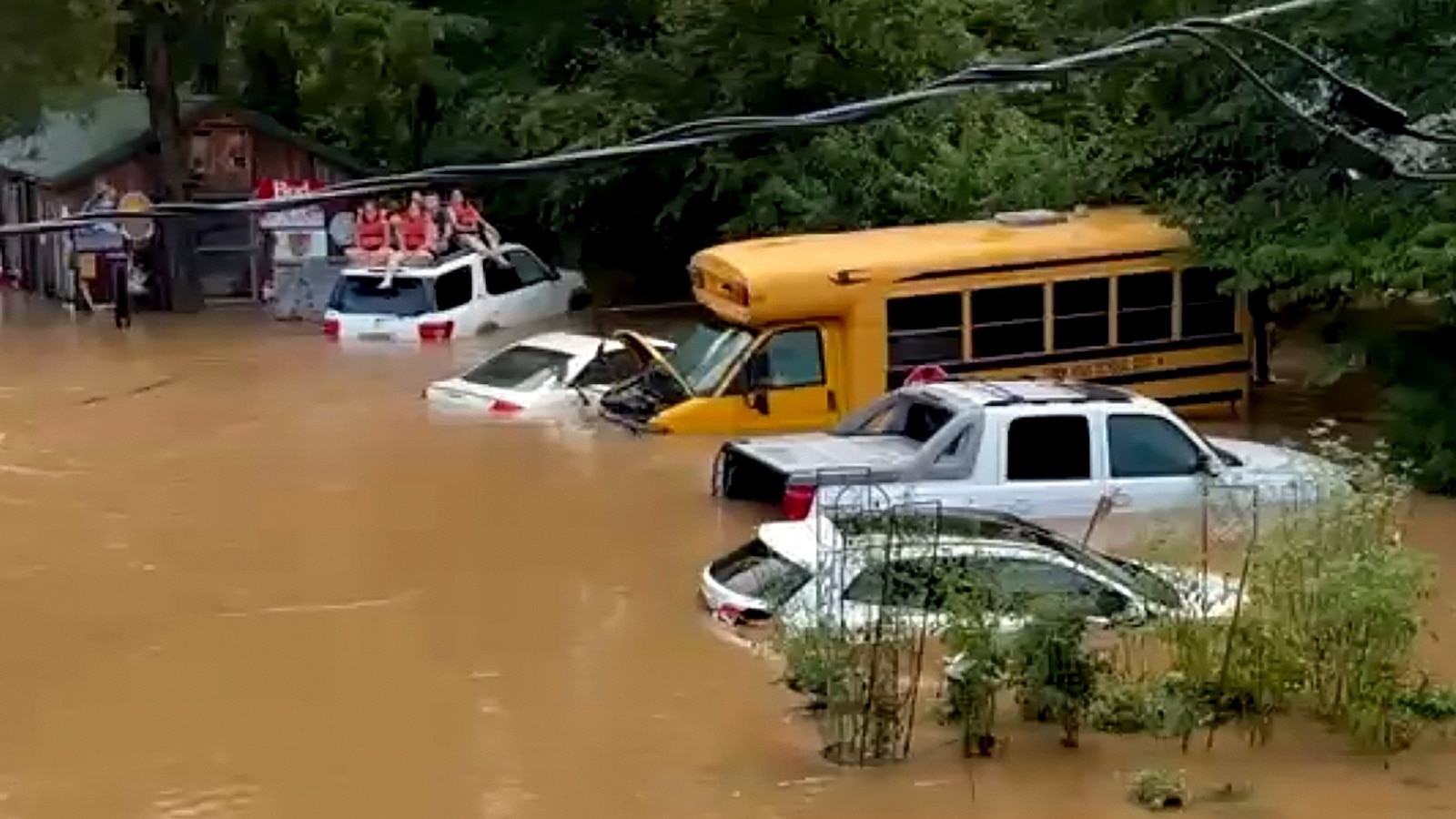
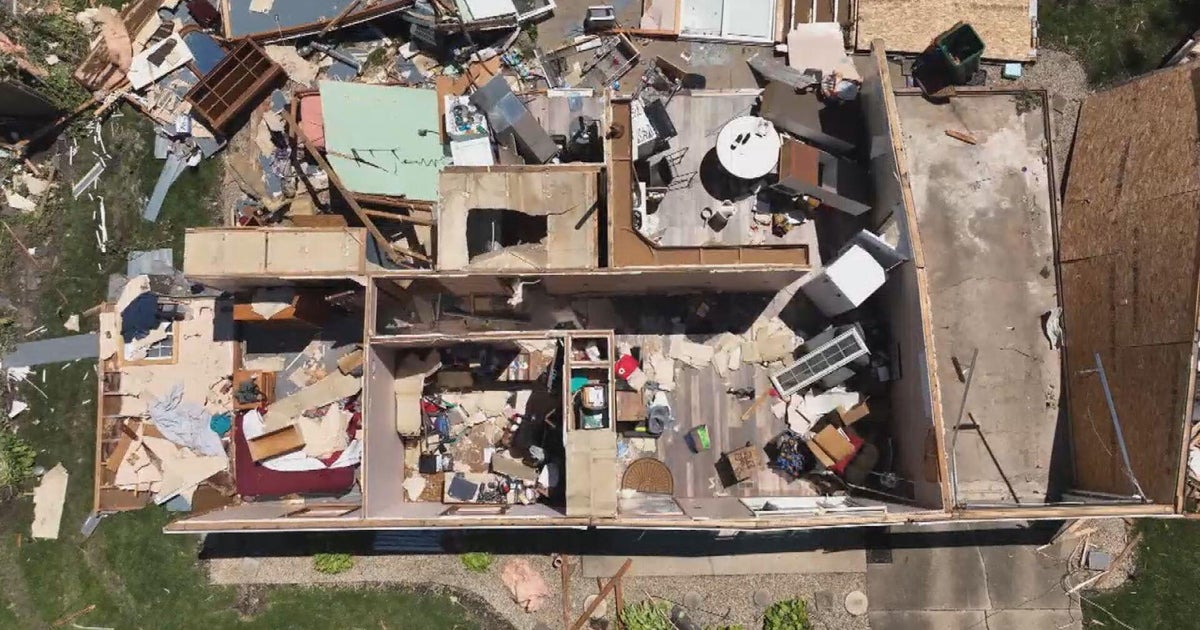
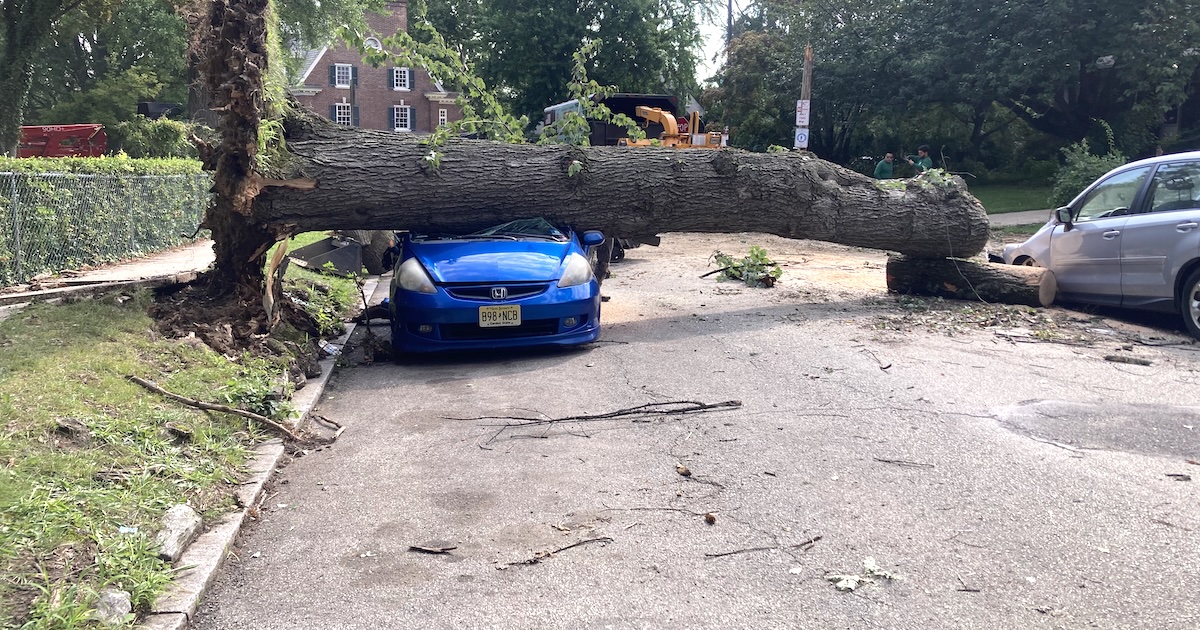
The storms struck Saturday afternoon, with residents describing a wall of "horizontal sheets" of rain that arrived around 2:30 p.m. and downed trees and power lines across West and South Philadelphia and into neighboring Montgomery County. In Lower Merion Township, officials declared their own state of emergency as roads closed and crews scrambled to reach blocked streets. Homes had roofs torn off, vehicles were crushed beneath fallen trees, and floodwaters pooled in residential neighborhoods, submerging some cars.
A microburst is a small but intense column of sinking air that forms when a thunderstorm's updraft suddenly collapses, sending a rush of wind slamming into the ground and spreading outward. The straight-line winds can rival those of a tornado and often strike with little warning — a dynamic that caught many residents off guard. "I had no idea this happened," one Pennsport resident told reporters after emerging to find the damage.
The power failures were widespread. The regional utility PECO reported that roughly 34,000 homes lost electricity across the broader area at the height of the outages, and some customers remained in the dark into Monday morning as line crews worked through downed wires and blocked access roads. City sanitation and emergency management teams had been out since Saturday afternoon clearing debris, and officials warned that full restoration could stretch for days.
Despite the scale of the destruction, authorities said the storms did not result in any reported deaths. Parker's disaster declaration frees up resources and streamlines the city's response, allowing officials to mobilize additional crews, coordinate with utility companies and begin assessing the cost of the damage. Forecasters cautioned that the same atmospheric instability that fueled the weekend's downbursts could linger into the week, keeping the region under the threat of additional strong storms as residents and city workers continued the slow work of clearing away the wreckage.
Meteorologists noted that microbursts, while brief, can be deceptively dangerous precisely because they are so localized and fast-moving, often striking before warning sirens or phone alerts can reach residents. Climate scientists have also pointed to a broader pattern of more frequent and intense summer downpours across the Northeast in recent years, driven in part by warmer, moisture-laden air. For Philadelphia, the weekend's damage added to a growing list of extreme-weather cleanups and renewed debate over how aging urban tree canopies and power grids can be hardened against increasingly violent storms.