A Legionnaires' Outbreak on Manhattan's Upper East Side Grows to 46 Cases as 31 Buildings Flush Their Cooling Towers
New York City health officials have ordered dozens of buildings in Carnegie Hill, Yorkville and Lenox Hill to disinfect cooling towers found to harbor Legionella bacteria, with 22 people hospitalized so far.
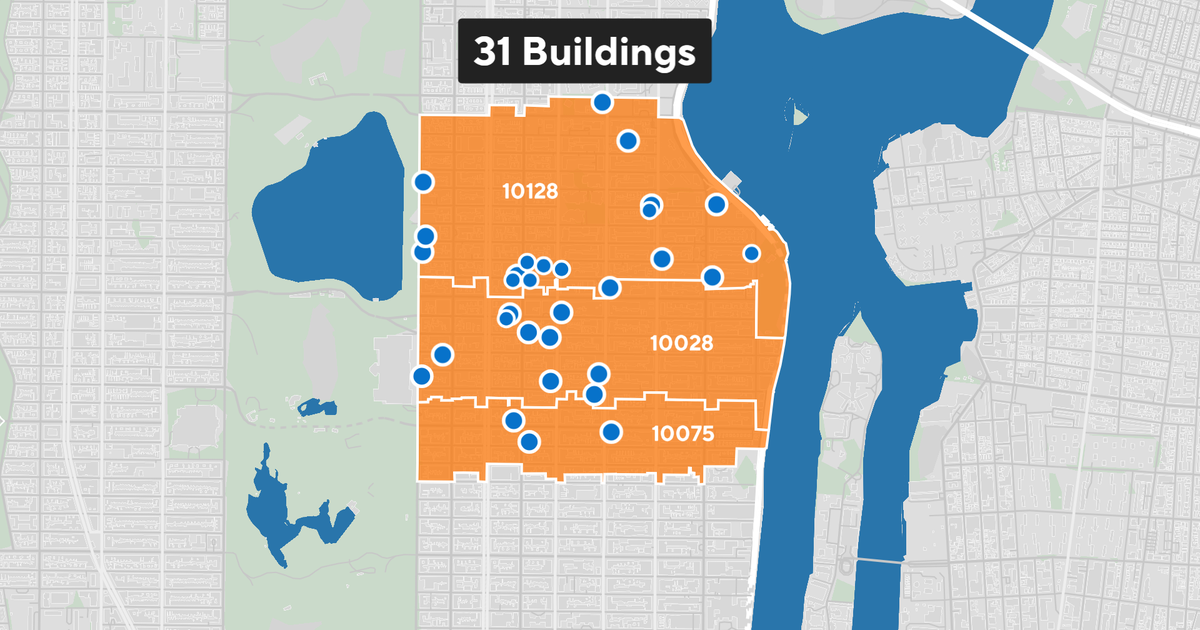
A Legionnaires' disease outbreak on Manhattan's Upper East Side has grown to 46 known cases, New York City health officials said, prompting an expanding public-health response that has forced 31 buildings to drain and disinfect their cooling towers after they tested positive for the bacteria that causes the illness.
As of July 9, the city's Department of Health reported 46 people sickened and 22 hospitalized, with no deaths, in an outbreak clustered within roughly a one-mile radius of Carnegie Hill and Yorkville. Just a day earlier, officials had counted 28 cases, underscoring how quickly the cluster has expanded since it was first identified. The affected area is contained within the ZIP codes 10028, 10128 and 10075, covering Carnegie Hill, Yorkville and Lenox Hill.
Investigators believe the source is one or more cooling towers — rooftop systems that release mist as part of a building's air-conditioning — in the densely populated neighborhood. Legionnaires' disease is a severe form of pneumonia caused by breathing in tiny water droplets contaminated with Legionella bacteria. It does not spread from person to person, and health officials stressed that tap water in the area remains safe to drink, cook with and bathe in.
The Department of Health ordered the 31 buildings whose towers tested positive to immediately flush and disinfect the systems, and it published the list of affected addresses so residents and workers could check whether they had been near a potential source. Officials also warned people who spent time in the neighborhood — including visitors to nearby Central Park — to watch for symptoms such as fever, cough, chills, muscle aches and shortness of breath, which typically appear two to 10 days after exposure.
Most healthy people who are exposed to Legionella do not become sick, but the disease can be serious or fatal for older adults, smokers and people with weakened immune systems or chronic lung conditions. It is readily treatable with antibiotics when caught early, which is why officials urged anyone with pneumonia-like symptoms who lives or works in the affected ZIP codes to seek medical care promptly and mention the outbreak to their doctor.
Summertime Legionnaires' clusters have become a recurring hazard in New York, where thousands of cooling towers dot the skyline and warm weather creates ideal conditions for the bacteria to multiply. The city has required registration and routine testing of cooling towers since a 2015 outbreak in the South Bronx killed 16 people, and health officials said the current investigation would examine whether the implicated towers had been properly maintained.