Canadian and Minnesota Wildfire Smoke Chokes the Midwest and Northeast, Pushing New York Toward the World's Worst Air
Air quality alerts stretch from Minnesota to Maine as drifting smoke turns skies yellow and threatens millions with hazardous particulate pollution through Friday.
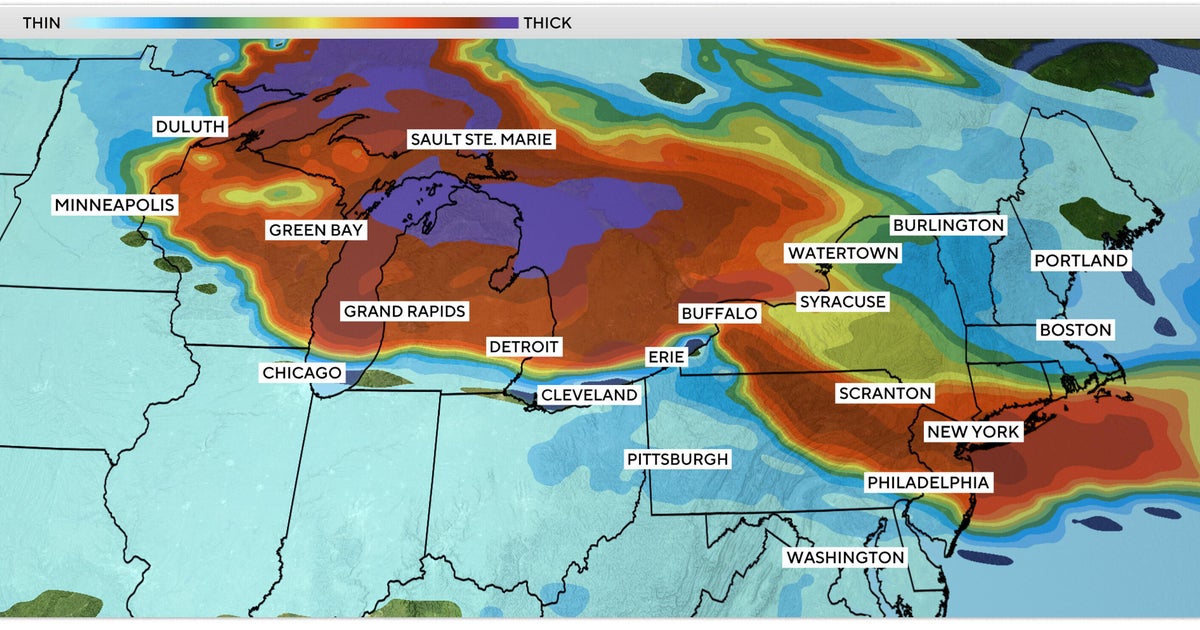
A thick pall of wildfire smoke drifting out of Canada and northern Minnesota blanketed a wide swath of the United States on Wednesday, triggering air quality alerts from the Upper Midwest to New England and exposing millions of people to unhealthy — and in places hazardous — levels of pollution.
The National Weather Service posted alerts across Minnesota, Michigan, Wisconsin, New York and Massachusetts, with additional advisories reaching into northern Pennsylvania and coastal New England. In Minnesota, the Twin Cities metro along with Alexandria, Two Harbors and Grand Portage were forecast to reach the "hazardous" category, the worst rung on the Air Quality Index. Michigan and Massachusetts placed their entire states under alerts. At one point Wednesday, New York City ranked among the most polluted major cities in the world, and residents from Boston to Detroit to Milwaukee reported a yellowish, brownish haze. Forecasters said the plume would push into Washington, D.C., by Thursday midday.
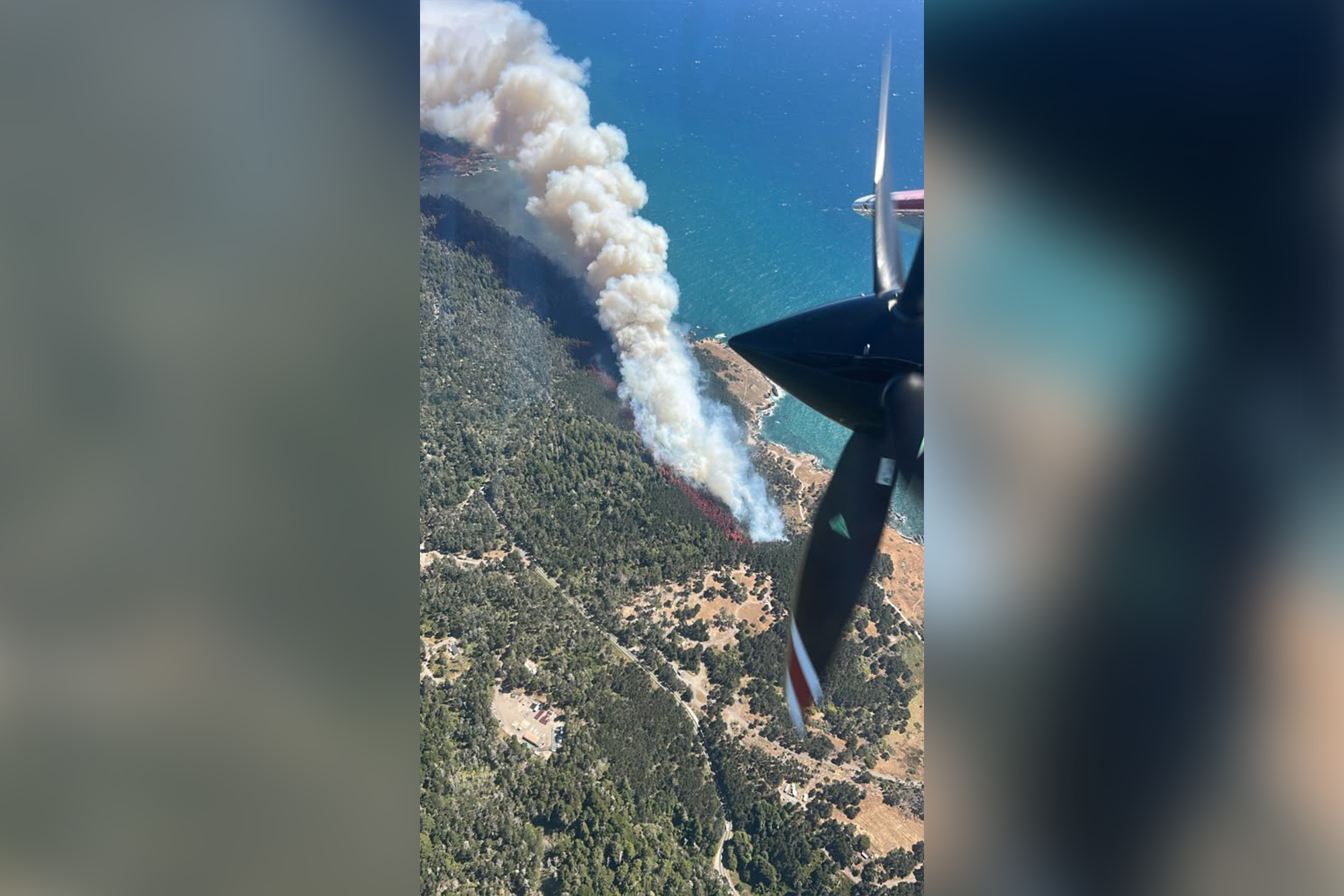
The smoke is pouring off large wildfires burning in Canada and in Minnesota itself, fueled by a stretch of severe drought and heat across the northern tier of the continent. "A perfect storm for really dry conditions to provide a lot of fuel for these wildfires," said Dan Westervelt, an atmospheric scientist at Columbia University's Climate School. The alerts were set to run from Tuesday through Friday, July 14 to 17, though officials cautioned that shifting winds could prolong or intensify the event.
Health officials warned that the fine particulate matter carried in wildfire smoke — particles small enough to lodge deep in the lungs and enter the bloodstream — can cause shortness of breath, coughing, dizziness and fatigue, and can aggravate existing heart and lung conditions. Children, older adults, pregnant people and those with asthma or cardiovascular disease face the greatest risk. Doctors urged residents in alert areas to stay indoors, keep windows closed, run air purifiers and avoid strenuous outdoor activity. Chronic exposure to such pollution is linked to tens of thousands of premature deaths in the United States each year.
The episode is the latest sign that the cross-border smoke events that stunned the eastern United States in 2023 are becoming a recurring summer hazard rather than a freak occurrence. Scientists say a warming climate is lengthening fire seasons and drying out the boreal forests of Canada, producing more frequent, larger blazes whose smoke can travel thousands of miles. For much of the country this week, the practical advice was simple: check the local Air Quality Index before heading outside, and treat a hazy, acrid sky as a warning to stay in.