Oil Jumps as Trump Reinstates Iran Port Blockade and Threatens Hormuz Shipping Fees
Brent crude climbed toward $84 a barrel and pump prices rose again as the president moved to choke off Iranian oil exports, even as cooler inflation data lifted U.S. stocks.

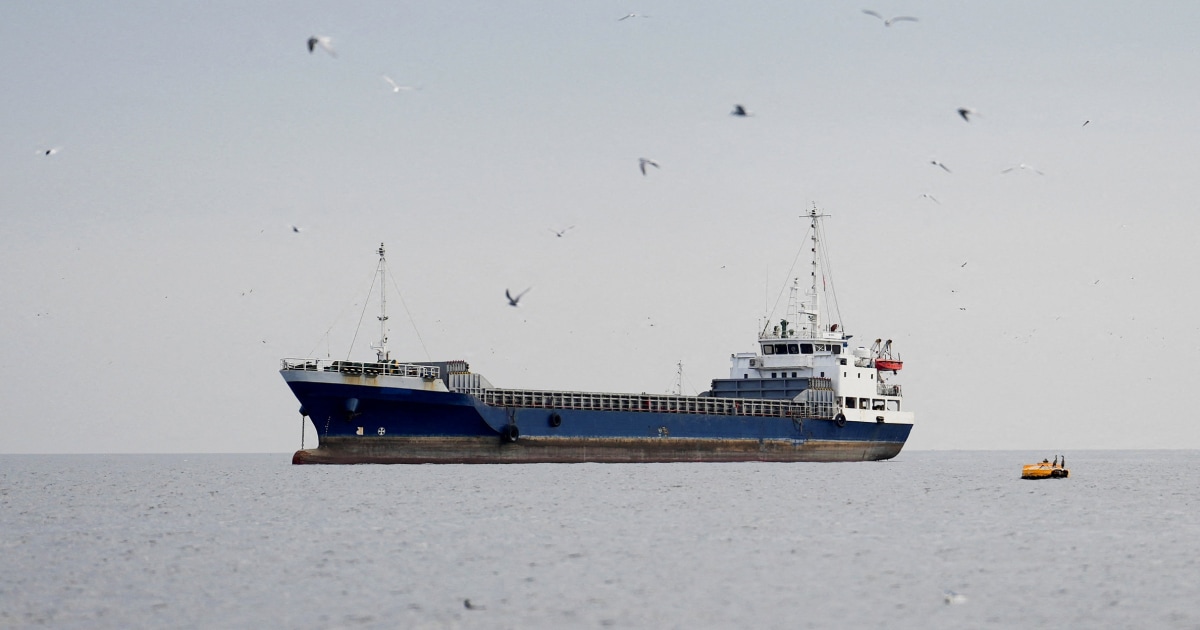
Oil prices climbed and stocks turned choppy this week after President Donald Trump moved to reinstate a blockade of Iranian ports and floated a new fee on ships passing through the Strait of Hormuz, reviving fears of a disruption to roughly a fifth of the world's crude supply. U.S. West Texas Intermediate crude for August delivery rose 1.14% to $79.10 a barrel, while the international benchmark, Brent, added 0.79% to $83.97.
The strait, a narrow chokepoint between Iran and the Arabian Peninsula, carries a significant share of seaborne oil and liquefied natural gas, and traders have grown increasingly jittery as the U.S.-Iran conflict has intensified. Trump later dropped the proposed 20% transit fee after appeals from Persian Gulf allies who feared it would ripple across global energy markets, but the reinstated blockade of Iranian oil exports kept a risk premium baked into prices.
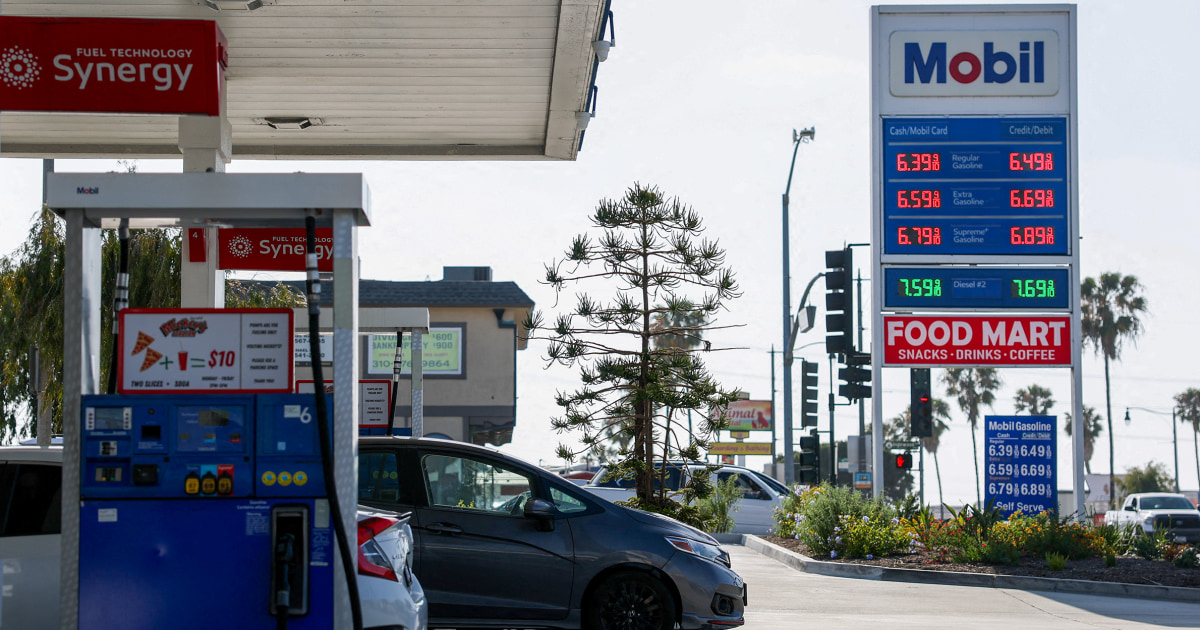
The pressure was quickly felt at American gas pumps. The national average for a gallon of regular rose another 3 cents to $3.89, according to AAA, leaving prices about 10 cents higher over the past week as Middle East fighting resumed. Rising fuel costs threaten to complicate the inflation picture just as the Federal Reserve has signaled it wants to keep prices in check.
Equity markets sent mixed signals. The tech-heavy Nasdaq Composite rose 1.08% and the S&P 500 gained 0.47%, buoyed by strength in technology shares, while the Dow Jones Industrial Average slipped 0.04%. Investors were weighing the geopolitical risk against a friendlier inflation report: the Consumer Price Index eased to 3.5% in June, and consumer prices fell 0.4% from May, a steeper monthly decline than economists had expected.
Federal Reserve Chairman Kevin Warsh, who has made taming inflation the centerpiece of his tenure, pledged this week to "get monetary policy right" and to finish defeating the price pressures that have dogged the central bank for five years. The softer CPI reading gave some traders hope that the Fed could avoid fresh interest-rate hikes, even as the energy shock introduced a new wild card into its calculations.
Analysts cautioned that the market's relative calm could prove fragile. A sustained closure or serious incident in the Strait of Hormuz could send crude sharply higher and reverberate through everything from airline costs to household budgets. For now, investors are caught between an encouraging domestic inflation trend and an unpredictable war that could, with a single escalation, upend both energy markets and the Fed's careful messaging.