Washington Revoked the Visa of Brazil's Ambassador Because Brasília Won't Accept a Florida Politician
The State Department pulled Maria Luiza Ribeiro Viotti's credentials after Brazil declined to approve Daniel Perez, the speaker of Florida's House and a Rubio ally, as the next U.S. ambassador — two months before a presidential election.
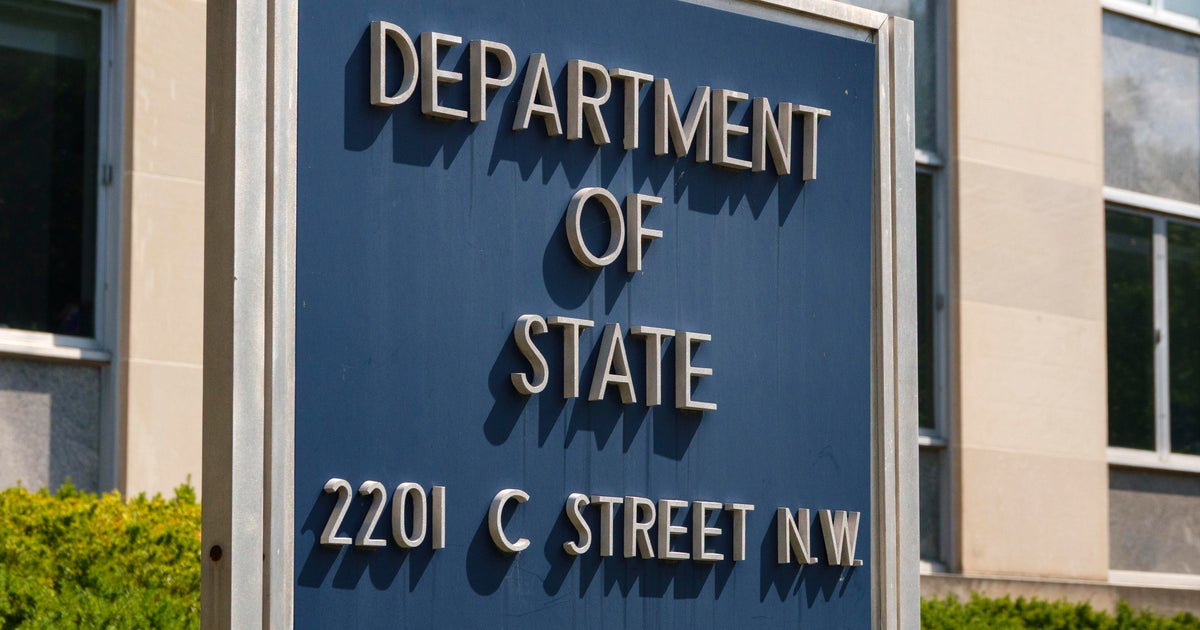
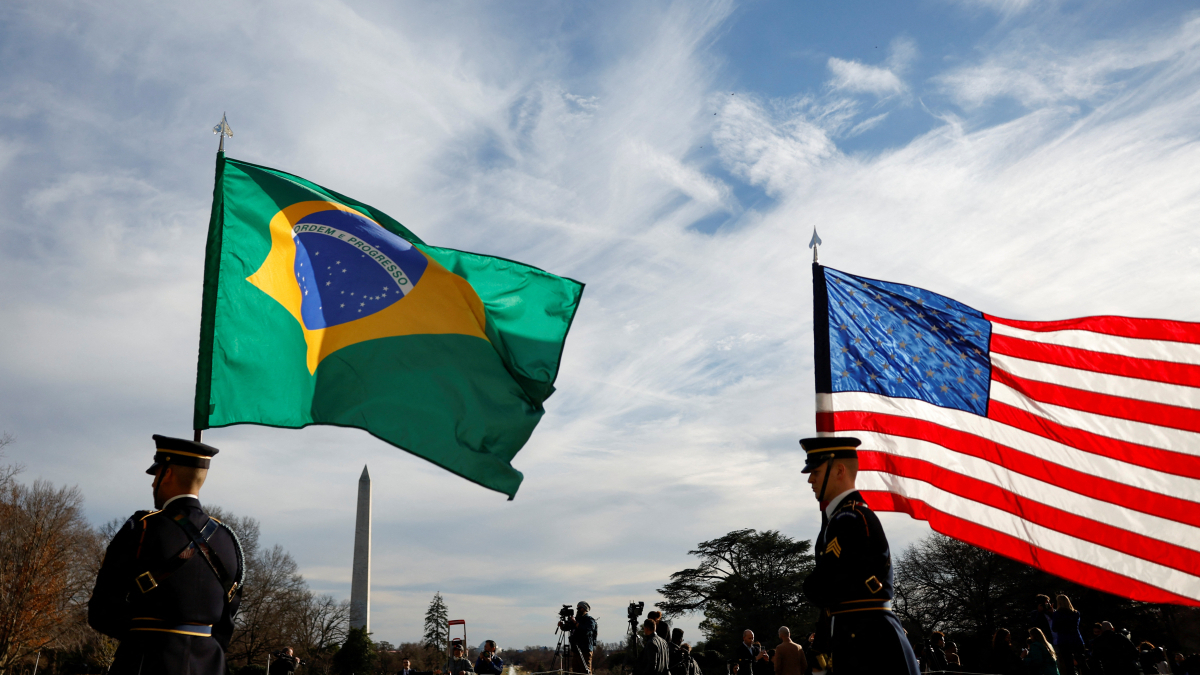
The State Department has revoked the visa of Maria Luiza Ribeiro Viotti, Brazil's ambassador to the United States, in retaliation for Brasília's refusal to sign off on President Trump's pick to be the next American ambassador in Brazil. Revoking a sitting ambassador's visa is an extraordinarily rare step between countries that are not in open confrontation, and it effectively strips Brazil of its senior representative in Washington while the two governments are already trading blows over trade and law enforcement.
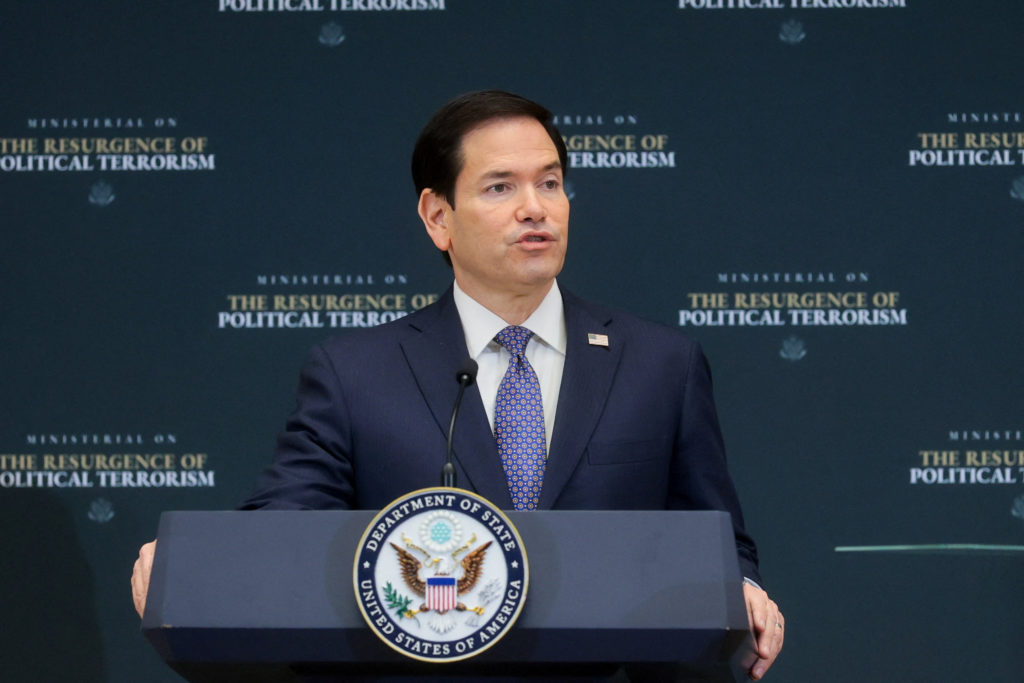
The nominee at the center of it is Daniel Perez, the Republican speaker of the Florida House of Representatives and a close ally of Secretary of State Marco Rubio. Under diplomatic practice, a host country must grant agrément — formal consent — before an ambassador can be posted, and Brazil has not done so. A State Department official said Brasília's inaction was deliberate: "They have not only delayed, but put out signals that they will probably delay until after their election there."
Brazil rejected the reasoning outright, calling the American justifications "false." Its government argued that Washington broke protocol first by announcing Perez's nomination publicly before formally requesting agrément, a sequence that leaves the receiving country with the choice of rubber-stamping a fait accompli or appearing to insult the sender. Brazil's statement went further: "Today's decision is not an isolated incident. It forms part of a deliberate escalation of hostile measures against Brazil."
The record supports that framing. Brazil denied visas to two U.S. State Department officials in July. The United States imposed 25% tariffs on Brazilian imports last month. And in May the Trump administration classified two Brazilian drug trafficking organizations as foreign terrorist organizations, a designation Brasília read as a pretext for future American action inside its borders.
The timing is the sharpest part. Brazil votes in October, with President Luiz Inácio Lula da Silva seeking another term against Sen. Flávio Bolsonaro, son of the imprisoned former president Jair Bolsonaro. Every hostile act from Washington is now absorbed into that campaign, and both candidates have incentives to use it — Lula to run against foreign interference, Bolsonaro to argue that only he can repair the relationship. The State Department's own explanation, that Brazil is stalling until after the vote, concedes that Brasília sees the ambassadorship as an election issue.
For the practical business between the two countries — the largest economy in South America and its second-largest trading partner — the effect is a hole on both ends. Neither capital will have a confirmed ambassador in place through the Brazilian election, leaving tariff disputes, extradition requests and counternarcotics cooperation to be handled by chargés d'affaires with less authority to close anything.