Mexico Charges Ex-Prosecutor With Treason Over Joint Operation That Left Two CIA Agents Dead
César Jáuregui, who ran the Chihuahua raid on a drug lab, faces 5 to 40 years in prison. Experts call the case political and say it sends a bad signal to Washington.
Mexican federal prosecutors have added a treason charge against César Jáuregui, the former Chihuahua state prosecutor accused of illegally launching a joint operation with the CIA without telling the federal government. A federal judge will decide Saturday whether to allow the indictment. Treason carries a sentence of 5 to 40 years in prison.
Jáuregui resigned, saying he wanted to clear the way for an inquiry into the operation. He was arrested Oct. 17 on state charges of illegal exercise of public office, and a judge ruled Thursday that the case can go to trial. According to his defense attorney, Héctor Villasana, federal prosecutors told the court in a closed hearing that they wanted "exemplary punishment" to prevent a situation like the U.S. removal of Venezuelan President Nicolás Maduro.
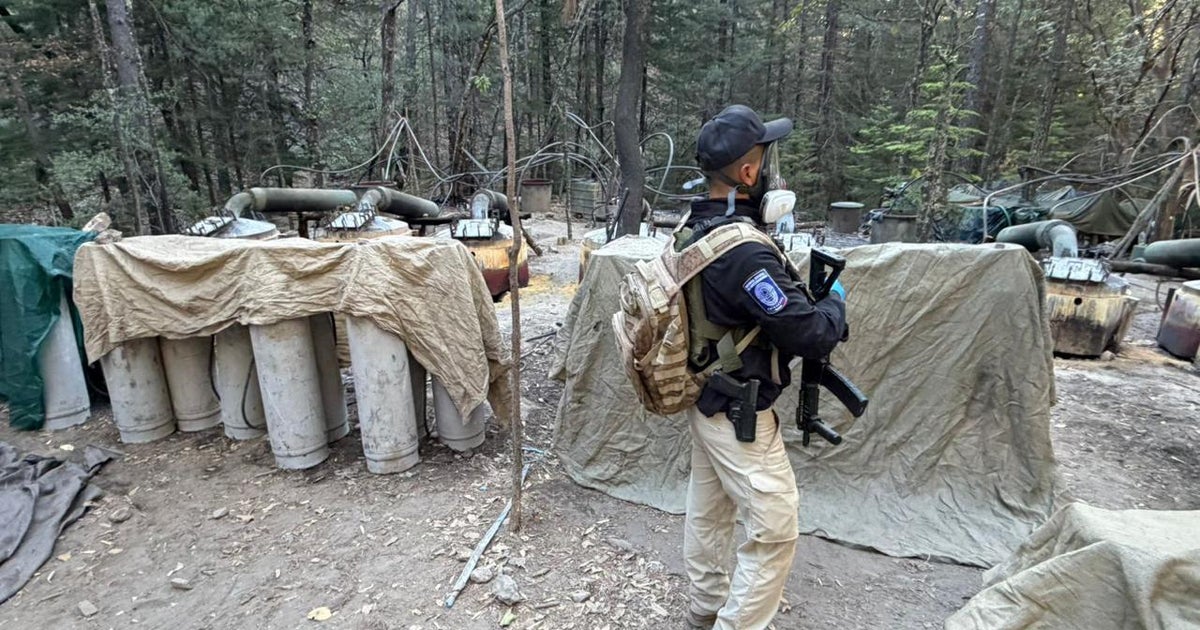
The case traces back to April 19, when the Chihuahua Attorney General's Office reported dismantling a drug lab in the mountains of Morelos municipality. On the way back, a vehicle in the convoy veered off the road and fell into a ravine. Two Mexican state officials died, Pedro Román Oseguera Cervantes, first commander of the state investigation agency, and officer Manuel Genaro Méndez Montes. Two Americans also died.
Jáuregui first described the Americans as "instructor officers" who "were carrying out training tasks." Multiple people later confirmed to CBS News that they were CIA agents, though the CIA declined to comment. U.S. Ambassador Ronald Johnson called them "embassy personnel." Two other U.S. agents traveling in a different vehicle were later expelled from Mexico.
Mexico's Security Ministry said one American entered as a visitor and the other with a diplomatic passport, and that "None had formal accreditation to participate in operational activities in national territory." President Claudia Sheinbaum said none of the agents had permission to operate and that the military did not know they were there. Jáuregui has said the Americans joined the group after the operation had begun.
Legal experts question the charge. Samuel González, a former organized crime chief prosecutor, argued that failing to notify the federal government would not amount to treason: "even if that were the case, it would not constitute treason." Luis Villegas, the former prosecutor's defense coordinator, rejected the federal comparison of the agents' presence to a foreign "invasion." Carlos Pérez Ricart of the research center CIDE said the case "sends a very bad signal to Washington," even if it is eventually dismissed. Several experts described the prosecution as a political decision ahead of Mexico's 2027 midterm elections.
U.S. agencies have long operated in Mexico. President Andrés Manuel López Obrador limited their activities, and Sheinbaum amended the Constitution to bar field operations without the government's express authorization. Armed U.S. agents are not permitted under the law.
The U.S. State Department said it is aware of and monitoring the case but did not link it to the CIA deaths. President Donald Trump has said Mexico is not doing enough against the cartels, and the prosecution adds a new strain to security cooperation between the two countries.