Trump's New Counterterrorism Doctrine Elevates Drug Cartels Above Jihadist Groups for First Time
The strategy, written by White House counterterrorism czar Sebastian Gorka, reroutes intelligence and special-operations resources toward Western Hemisphere narco-terror networks.

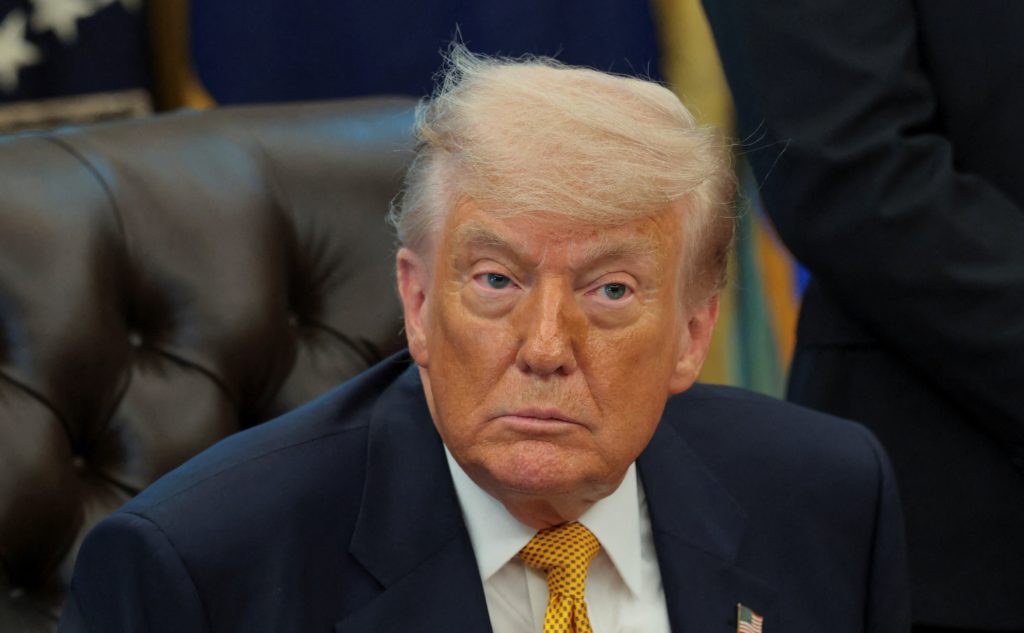
President Trump signed a sweeping new U.S. counterterrorism strategy this week that for the first time elevates Western Hemisphere drug cartels above the Islamist groups that have dominated American security planning for a quarter century, the White House announced Wednesday. The shift, which reorganizes the National Security Council's threat-prioritization framework and reroutes intelligence and special-operations resources accordingly, codifies the militarized cartel posture the administration has built over the past four months.
Sebastian Gorka, the White House counterterrorism czar who led the rewrite, defended the change in unusually blunt terms. "Far more Americans have been killed by cartels pushing illicit drugs into U.S. communities than American service members lost in conflicts around the globe since World War II," Gorka said at a Wednesday press briefing. The new strategy lists "transnational criminal organizations operating in the Western Hemisphere" as the top tier of designated threats, ahead of al-Qaeda, ISIS-K and Iranian-aligned proxies, which are bumped to the second tier.
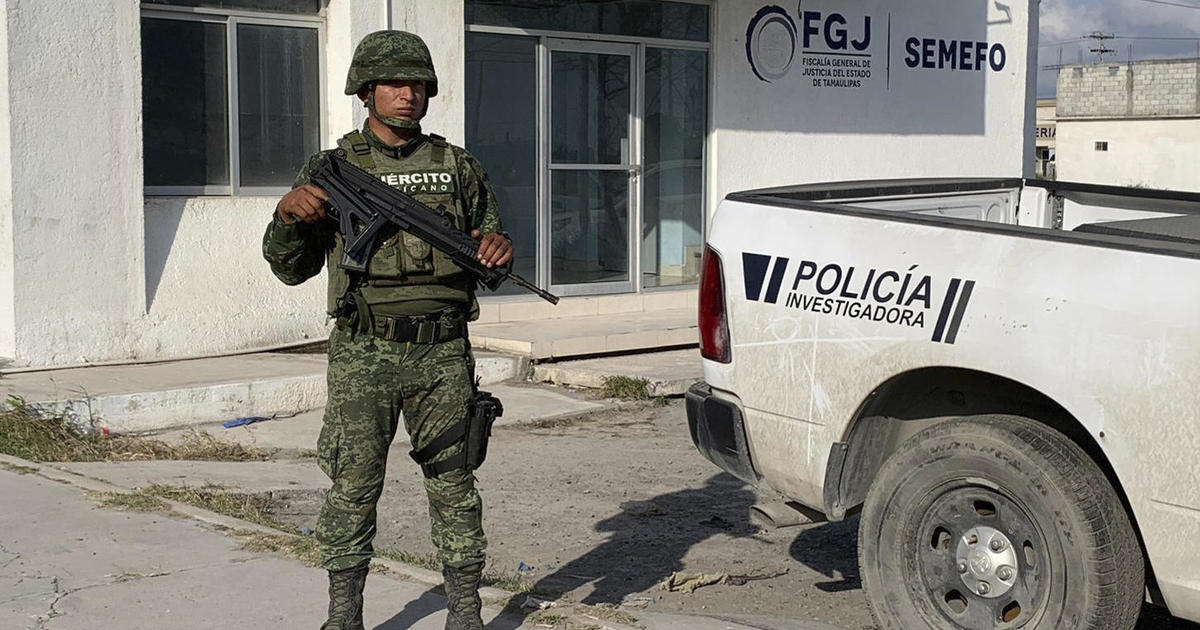
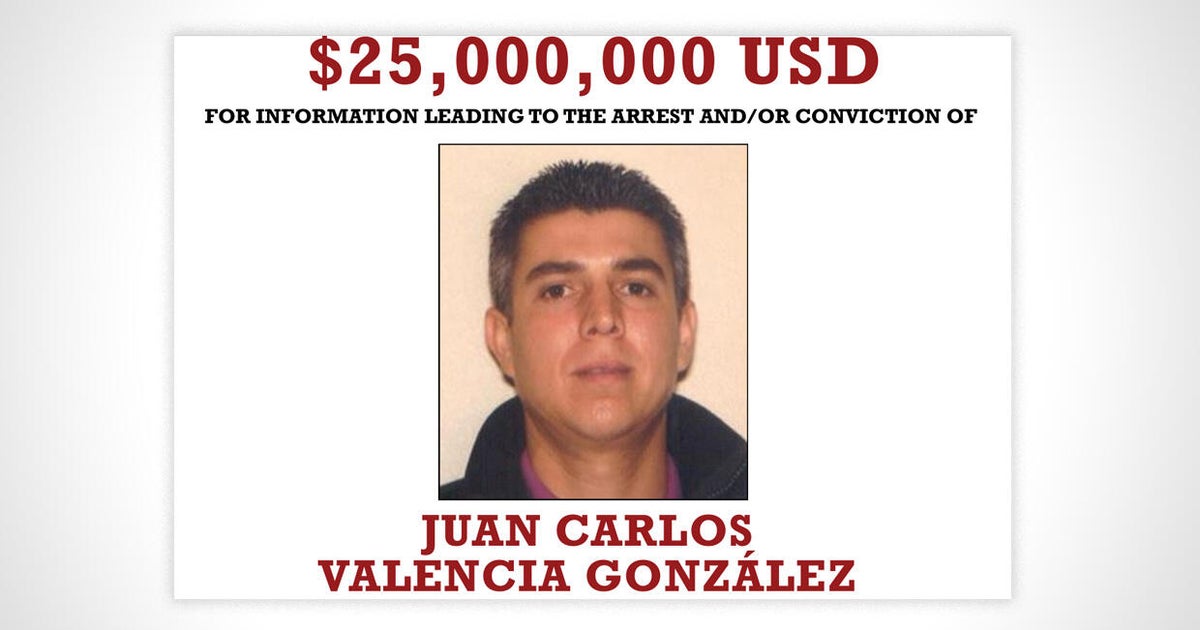
The doctrine reflects a year of cumulative escalation. Since January, the administration has carried out dozens of U.S. military strikes on alleged drug-running boats off the Pacific and Caribbean coasts of Latin America, deployed Marine Special Operations teams to bases in Costa Rica, Panama and Ecuador, and capped the campaign last month with the U.S.-led ouster of Venezuelan President Nicolás Maduro. Treasury sanctions have hit more than 240 cartel-linked entities, and the Department of Justice has unsealed at least 19 narco-terrorism indictments tied to the Sinaloa, Jalisco New Generation and Tren de Aragua organizations.
The strategy also broadens the definition of a domestic terrorist threat in ways civil-liberties groups described as alarming. The text, portions of which were released by NPR, lists "violent secular political groups with ideology that is anti-American, radically pro-transgender or anarchist" alongside cartel facilitators among priority targets. The American Civil Liberties Union called the language "a constitutional time bomb" and said it would file a Freedom of Information Act request to expose how the categories were defined and operationalized. The strategy retains traditional priorities such as preventing nonstate actors from acquiring weapons of mass destruction.
Reaction on Capitol Hill was sharply divided. Senate Armed Services Committee Chair Roger Wicker said the doctrine "belatedly recognizes a war America has been losing for thirty years." Senator Elizabeth Warren countered that the framework "reads like a license to militarize the southern border and persecute political dissent at home." Mexican President Claudia Sheinbaum, in a statement Wednesday afternoon, urged Washington to "respect Mexican sovereignty," but the Trump administration insists no unilateral cross-border ground operations are planned for now.