Israeli Strike on Beirut Kills Hezbollah Radwan Force Commander Ahmed Ghaleb Balout
The IDF said the precision strike in the Dahiyeh neighborhood also killed two other senior Hezbollah commanders and accused Balout of reviving the group's October 7-style 'Conquer the Galilee' plan.
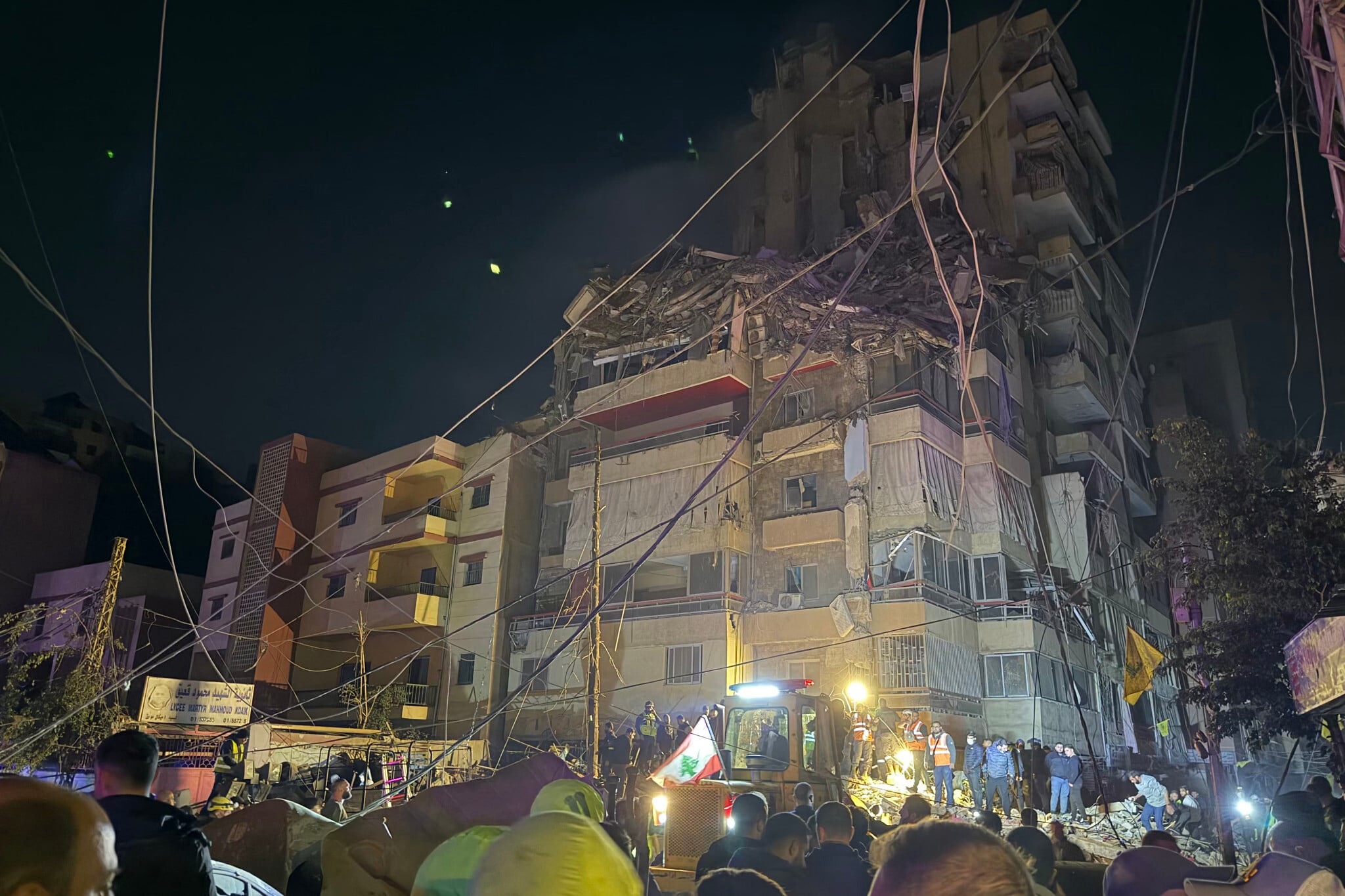
The Israel Defense Forces confirmed Wednesday that an airstrike in the southern Beirut neighborhood of Dahiyeh on May 6 killed Ahmed Ghaleb Balout, the operational commander of Hezbollah's elite Radwan Force, in what the IDF described as a "targeted, precision" strike. Israeli military spokesman Brigadier General Effie Defrin said Balout was the highest-ranking Hezbollah figure killed by Israel since November 2025 and accused him of directing dozens of anti-tank guided missile and drone attacks on Israeli troops along the Lebanese border in recent months.
The Israeli statement said the same airstrike also killed Muhammad Ali Bazi, identified by the IDF as the Nasr regional division chief of intelligence, and Hussein Hassan Romani, described as the Aerial Defense Chief for Hezbollah's southern command. Balout, the IDF said, had also been driving renewed efforts to rebuild Radwan capabilities and to revive Hezbollah's "Conquer the Galilee" plan — a concept calling for ground infiltration into northern Israel that the IDF has compared to Hamas's October 7, 2023 assault. Prime Minister Benjamin Netanyahu warned in a recorded statement that "anyone who threatens the State of Israel will pay the price."
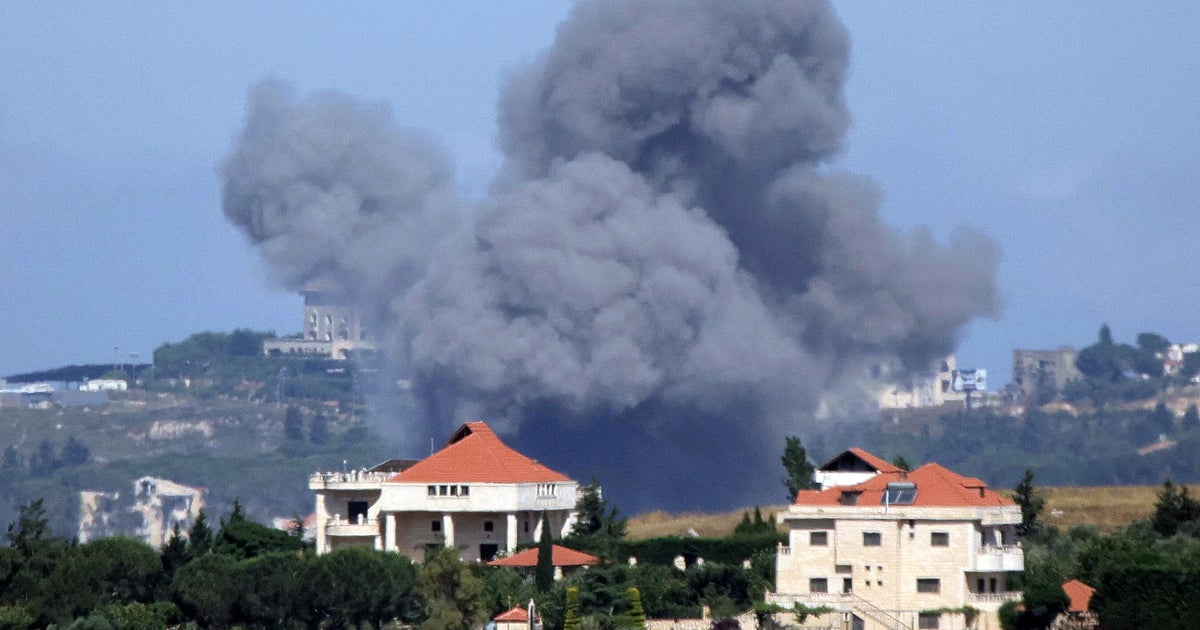
It was the first Israeli strike on the Lebanese capital in nearly a month — the previous one occurred on April 8 — and it landed in the middle of a fragile U.S.-brokered ceasefire that has held only intermittently along the border. Lebanese health authorities reported at least four civilians wounded, including children, in the building's collapse. The Lebanese government condemned the strike as a violation of its sovereignty, and Lebanese Prime Minister Najib Mikati called for an emergency session of the U.N. Security Council.
Hezbollah did not immediately confirm Balout's death, but the group's media arm acknowledged that "a number of mujahideen brothers were martyred" in the Dahiyeh strike. Analysts at the Jerusalem Post and the Times of Israel said Balout's elimination would significantly impair the Radwan Force's command-and-control structure during a period in which the unit has been attempting to rebuild after the heavy losses it suffered in 2024 and 2025. Lebanon's L'Orient Today profiled Balout as a veteran of multiple Hezbollah campaigns who had served as the Radwan Force's chief of operations earlier in his career.
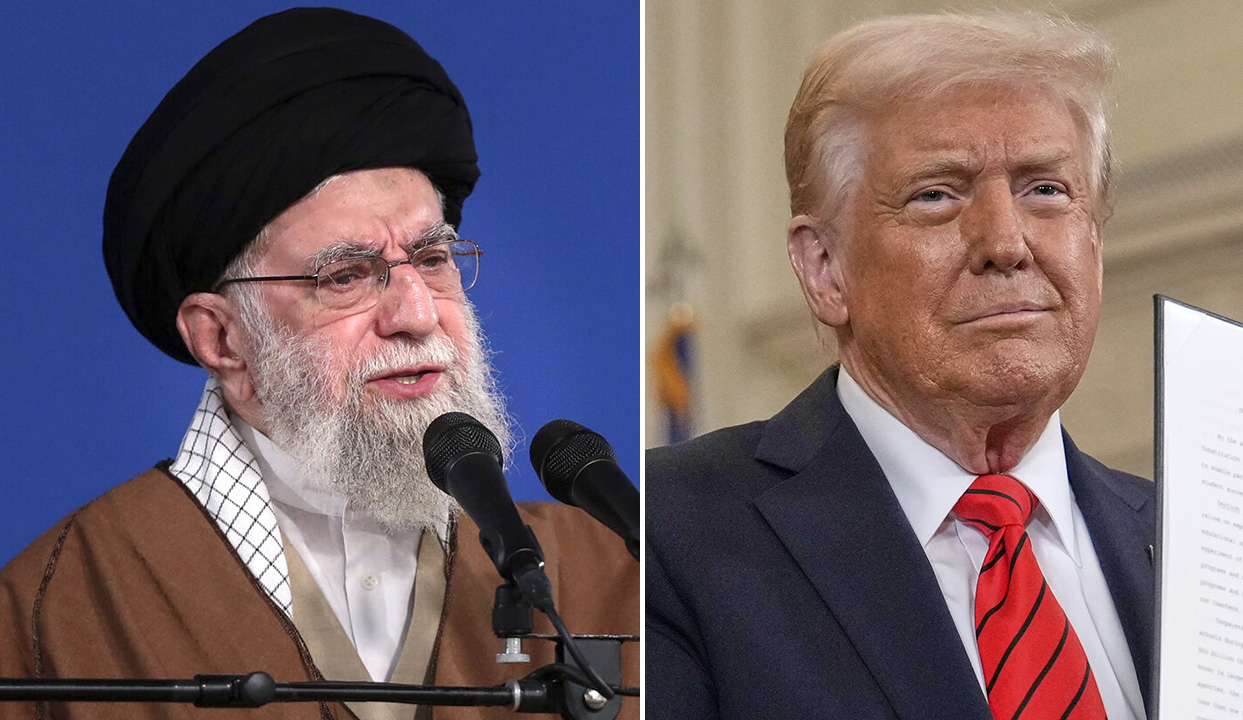
The strike has further inflamed regional tensions already stretched by the parallel U.S.-Iran confrontation in the Strait of Hormuz, where U.S. destroyers traded fire with Iranian forces this week. Western diplomats expressed concern that the simultaneous escalation on multiple fronts — against Iran, in southern Lebanon and in the West Bank — risks tipping the broader region back into open war. The U.S. State Department, asked at Thursday's briefing about the Beirut strike, said only that Washington was "in close communication with our Israeli partners" and continued to support a "durable" Lebanese ceasefire.