Pakistan Vows 'Greater Strength' as Operation Sindoor Anniversary Reignites Nuclear Standoff With India
Both armies hold dueling press conferences a year after the four-day clash, with each side claiming the upper hand and warning of escalation if tested again.
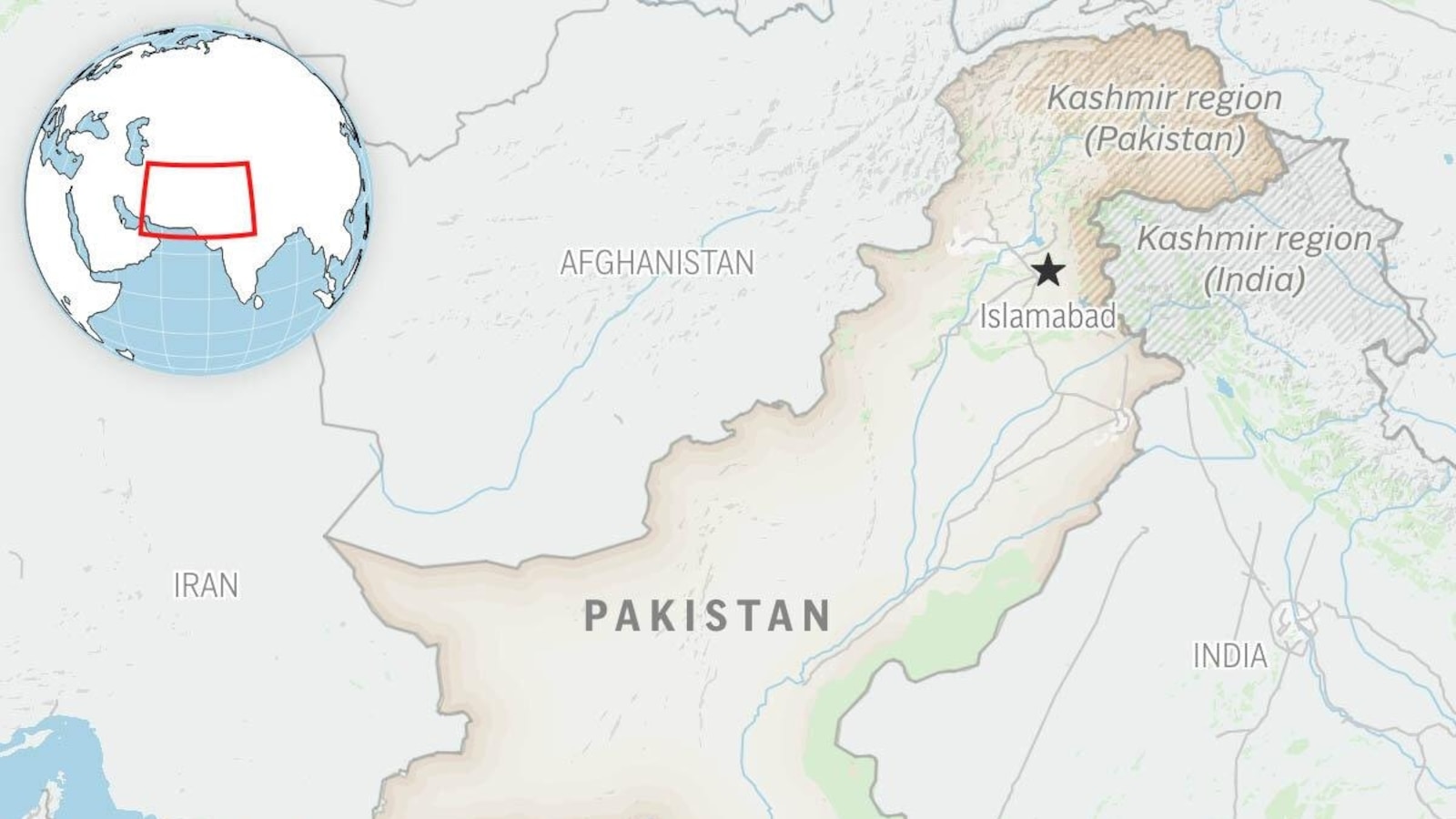
Pakistan's military marked the one-year anniversary of last spring's four-day clash with India on Thursday with a nationally televised press conference at army headquarters in Rawalpindi, warning that any future "hostile design" would be answered with "greater strength, precision and resolve" than in 2025. Across the border in New Delhi, the Indian armed forces held their own commemoration, naming the war "Operation Sindoor" and broadcasting footage of strikes inside Pakistan that officials said had reset the rules of engagement between the two nuclear-armed neighbors.
"We are prepared; if anyone wishes to test us, they are more than welcome," Pakistan Army spokesperson Lt. Gen. Ahmad Sharif Chaudhry said, flanked by Rear Admiral Shifaat Ali and Air Vice Marshal Tariq Ghazi. The trio spent more than ninety minutes detailing what they called Pakistan's "comprehensive defensive posture," emphasizing modernization of its missile force, integration with Chinese-built radar networks, and improved coordination among the army, navy and air force. Chaudhry rejected Indian claims that Pakistan had lost air superiority in the 2025 fighting and dared New Delhi to release radar tracks.
India's anniversary message was no less defiant. Air Marshal AK Bharti told reporters that Indian forces had "struck and decimated 9 terrorist camps on 7th May" last year, hit "11 of their airfields" and downed "13 of their aircraft," claiming a high-value airborne early-warning aircraft destroyed at "a record distance of 300 kilometers plus." Prime Minister Narendra Modi praised the armed forces for their "courage, precision and resolve" in a post on X and visited a military exhibition in New Delhi. Pakistan, meanwhile, branded its commemoration "Marka-e-Haq," or "Battle of Truth."
The 2025 conflict was triggered by the April 22 Pahalgam massacre in Indian-administered Kashmir, in which militants killed 26 mostly Hindu tourists in a tactic India blamed on Pakistan-based groups. Indian air strikes followed under the operational name Sindoor — a reference to the vermilion powder worn by married Hindu women, several of whose husbands were among the dead. Pakistan retaliated, drone and missile exchanges spread, and by May 9 fighting had spilled into the Arabian Sea. A U.S.-brokered ceasefire announced on May 10, 2025, paused hostilities with dozens dead on both sides and tens of thousands displaced from frontier villages.
A year on, that ceasefire is intact but brittle. The Indus Waters Treaty remains effectively suspended, with India holding back data on river flows that Pakistani farmers in Punjab and Sindh depend on. Cross-border trade is frozen. Both governments have used the anniversary to push military budgets through their parliaments — India's defense ministry secured a 12 percent increase last week, and Pakistan's federal cabinet approved a supplemental allocation of 350 billion rupees on Wednesday. Western diplomats privately worry that the rhetoric on display Thursday, paired with continuing Kashmir militancy, leaves the region one assassination or major attack away from a renewed crisis.