Trump Announces Three-Day Russia-Ukraine Ceasefire and 1,000-for-1,000 Prisoner Swap
The pause runs Friday through Sunday, coinciding with Moscow's Victory Day, and is the most concrete diplomatic step since Trump returned to office vowing to end the war.
President Donald Trump announced Thursday that Russia and Ukraine have agreed to a three-day ceasefire that will run from Friday through Sunday, coinciding with Moscow's annual Victory Day commemorations on May 9. Trump, posting on Truth Social, said the pause would also include a swap of 1,000 prisoners on each side and described the agreement as 'hopefully the beginning of the end of a very long, deadly, and hard fought war.'
Ukrainian President Volodymyr Zelenskyy confirmed the arrangement on X within hours of Trump's post, saying that Kyiv had agreed to halt 'all kinetic activity' for 72 hours as part of broader U.S.-led negotiations to wind down a war that began more than four years ago and has killed tens of thousands of soldiers and civilians on both sides. The Kremlin had earlier declared its own unilateral truce for May 8 and 9, and Zelenskyy had countered with a separate pledge to stop firing between May 5 and 6, calling Moscow's offer 'theater.' Trump's announcement effectively merged and extended both proposals into a single three-day window.
The ceasefire's central deliverable, beyond the suspension of strikes, is the largest single prisoner exchange of the conflict. Each side will hand over 1,000 captives, according to Trump. Russian state news agency TASS reported that the swap would begin on the first day of the truce and continue through the weekend, with the International Committee of the Red Cross expected to verify transfers at agreed crossing points. Ukrainian officials said families of detained soldiers had been notified to be on standby, though they cautioned that names had not yet been released.
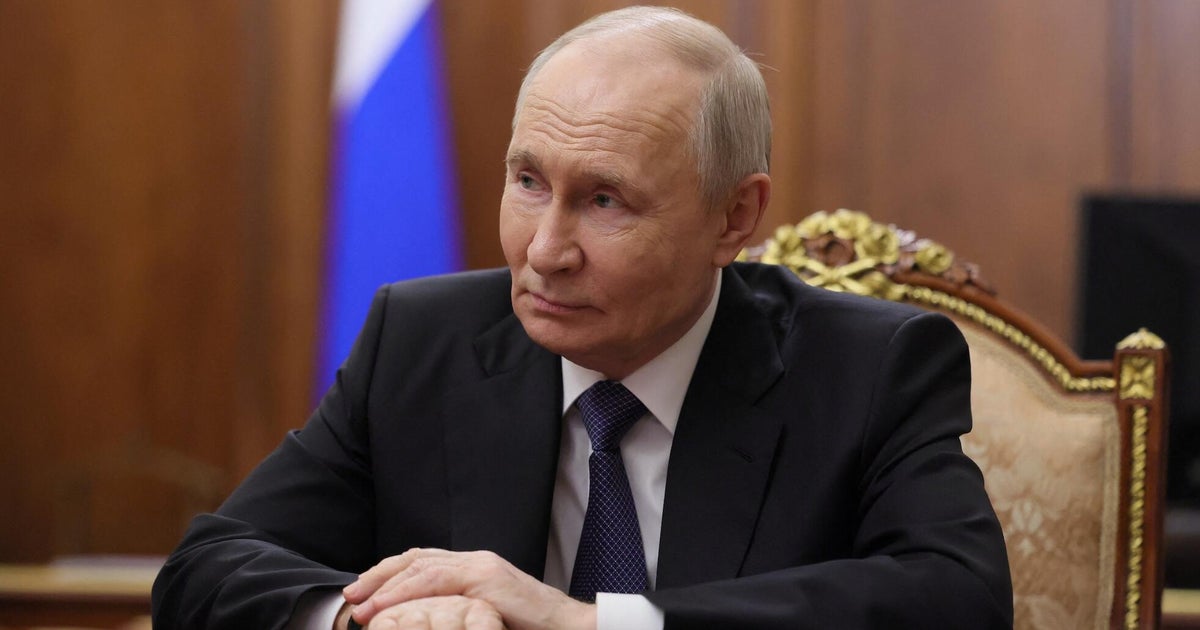
The announcement landed as Russian President Vladimir Putin prepared to host Chinese leader Xi Jinping, Brazilian President Luiz Inácio Lula da Silva and roughly two dozen other foreign leaders in Red Square for the 81st anniversary of Soviet victory over Nazi Germany. European officials, who were not consulted on the deal, reacted with cautious skepticism. German Chancellor Friedrich Merz told reporters in Berlin that 'three days is not peace,' while French Foreign Minister Jean-Noël Barrot said the truce would only matter if it produced 'a serious framework for the days that follow.' NATO Secretary General Mark Rutte said the alliance would monitor compliance closely and warned Moscow against using the pause to reposition forces along the eastern front.
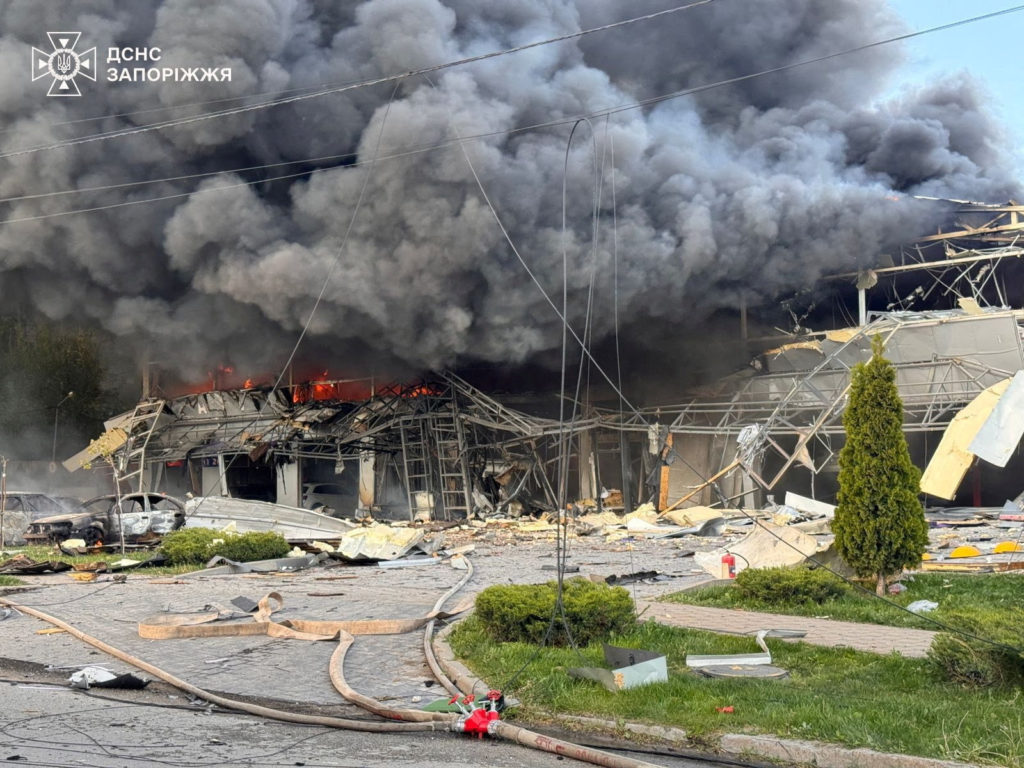
The deal is the most concrete diplomatic step since Trump returned to the White House promising to end the war within his first months in office. His envoy, Steve Witkoff, has shuttled between Moscow, Kyiv and Riyadh for weeks, and a senior administration official said a longer-term framework — including possible territorial discussions and security guarantees — remains under negotiation. Battlefield realities, however, are unlikely to be paused for long: Ukrainian forces continue to face heavy pressure in the eastern Donetsk region, while Russia has sustained drone and missile barrages on Ukrainian energy infrastructure into early May. Whether the three-day window holds, and whether it produces anything beyond a brief tactical reprieve, will become clear by Sunday night.