US and Iran Exchange Fire in Strait of Hormuz Despite Declared Truce
Military officials report strikes on Iranian targets after Tehran allegedly fired on American warships, escalating tensions during fragile ceasefire negotiations.

American forces struck Iranian military positions Thursday after Iran allegedly opened fire on U.S. warships patrolling the Strait of Hormuz, marking a dangerous escalation during what both sides had characterized as a temporary truce. The exchange represents the most serious breach of the declared ceasefire since peace talks began earlier this week.
U.S. Central Command confirmed that American naval vessels came under attack from Iranian coastal batteries near the strategic waterway, prompting immediate retaliation against what officials described as "legitimate military targets." The strikes occurred despite ongoing diplomatic efforts to secure a lasting peace agreement between Washington and Tehran.
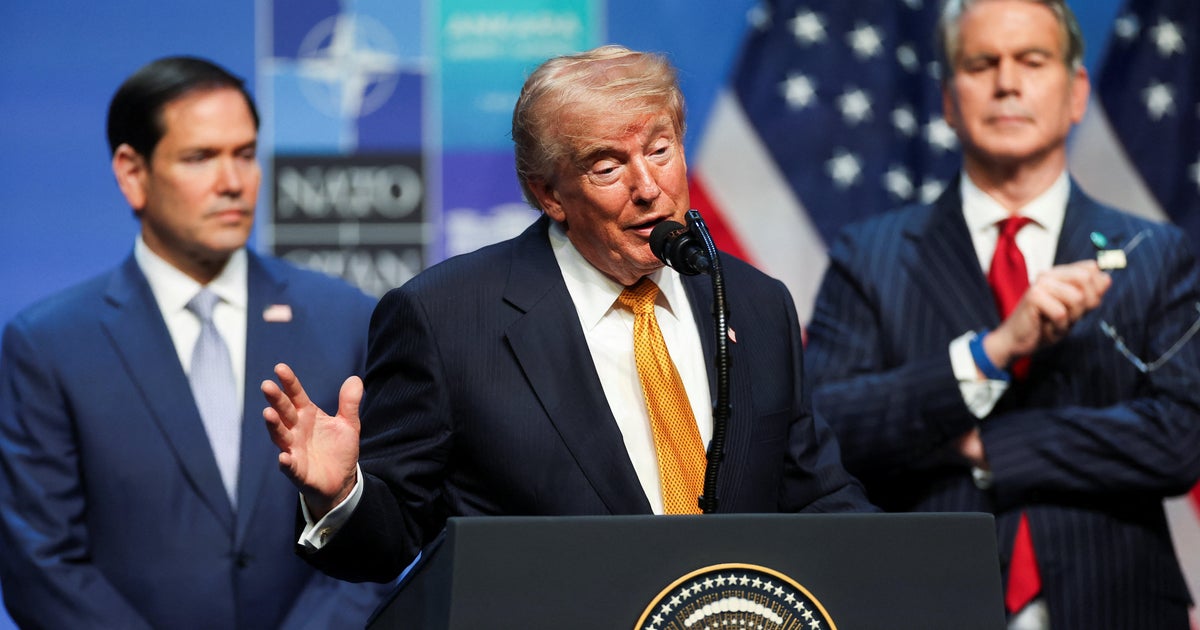
President Trump responded to the attacks with characteristic bluntness, threatening additional military action if Iran failed to accept his administration's peace proposal. "Iran knows what they need to do," Trump told reporters at the White House. "We've been very clear about our terms, and their window for compliance is closing rapidly." The president did not specify what consequences Iran might face for continued aggression.
The incident complicates already delicate negotiations aimed at ending the broader conflict that began when Trump authorized military action in the Persian Gulf region. Diplomatic sources indicate that both sides had been making progress toward a framework agreement before Thursday's violence erupted.
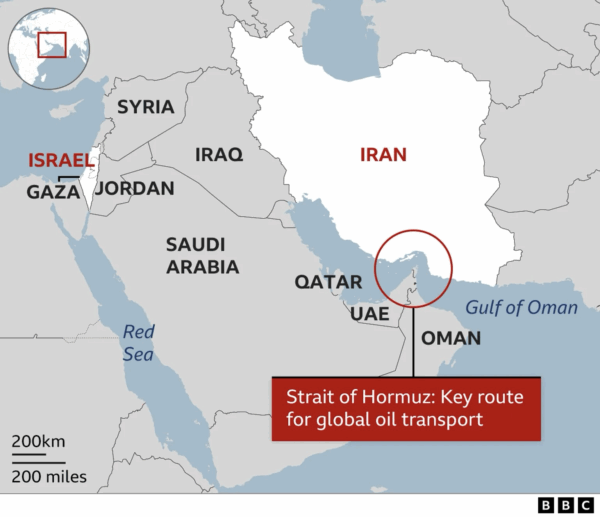
Naval analysts expressed concern that the Strait of Hormuz confrontation could unravel the fragile ceasefire entirely. The waterway carries roughly 20% of global oil supplies, and any sustained conflict there could trigger significant disruptions to international energy markets. Oil futures jumped 4% in after-hours trading following news of the exchange.