Ships Under Fire in Strait of Hormuz as Iran-US Tensions Escalate
Maritime attacks threaten vital oil shipping route despite conflicting claims from Washington and Tehran about control of the strategic waterway.
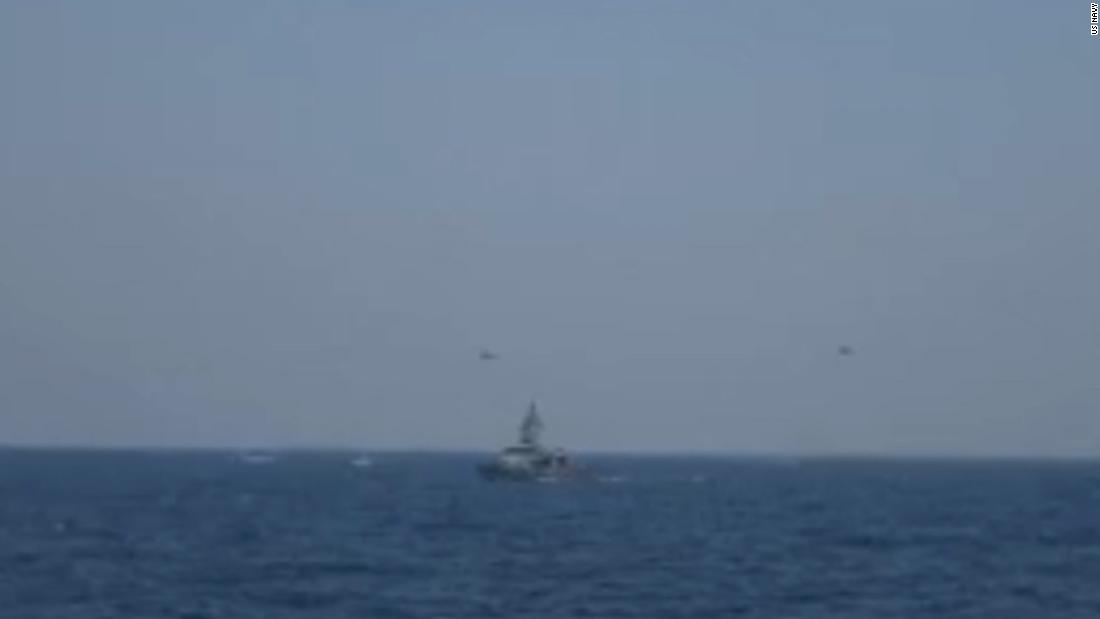
Commercial shipping vessels came under attack in the Strait of Hormuz on Tuesday as tensions between the United States and Iran reached a dangerous new level, threatening one of the world's most critical oil transit routes. The incidents occurred despite recent ceasefire agreements and conflicting claims from both Washington and Tehran about which country controls the strategic waterway. Defense Secretary Pete Hegseth announced a new U.S. initiative to escort commercial ships through the strait, while Iranian state media insisted that Tehran had actually intensified its control over the vital shipping lane.
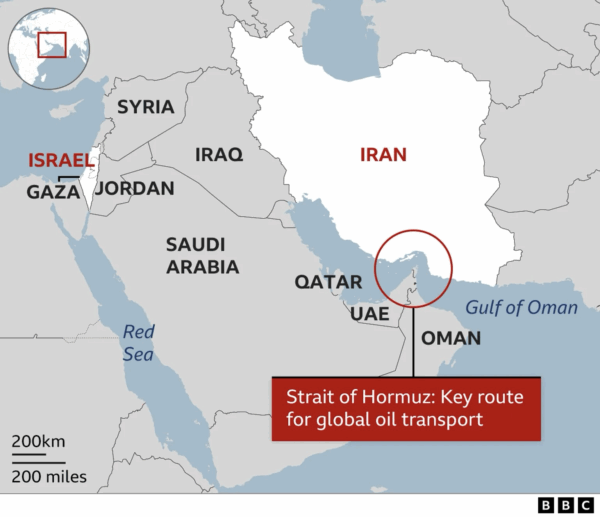
The Strait of Hormuz serves as a chokepoint for approximately one-third of global seaborne oil traffic, making any disruption to shipping a matter of international economic concern. Multiple vessels reported coming under fire during Tuesday's incidents, though the full extent of damage and casualties remained unclear as maritime authorities worked to assess the situation. The attacks represent a significant escalation in what had been a relatively stable period following recent diplomatic efforts to reduce tensions in the region.
Defense Secretary Hegseth's announcement of enhanced U.S. naval escorts marks a major shift in American policy toward the strait. The initiative involves deploying additional naval assets to provide protection for commercial vessels transiting the waterway, effectively challenging Iranian claims of exclusive control. Hegseth described the mission as essential for maintaining freedom of navigation and protecting international commerce, emphasizing that the United States would not allow Iran to dictate terms for global shipping routes.
Iranian officials responded with defiant statements through state media, claiming that their forces had actually strengthened their position in the strait despite American threats. Tehran's narrative portrayed the U.S. escort mission as an act of aggression that violated Iranian sovereignty over what they consider territorial waters. The competing claims have created confusion among shipping companies and maritime insurers, who are struggling to assess the actual security situation and make decisions about routing vessels through the area.
The escalation comes at a particularly sensitive time for global energy markets, with oil prices already elevated due to broader Middle Eastern conflicts. Maritime industry analysts warn that sustained disruption to Strait of Hormuz traffic could trigger significant increases in shipping costs and insurance premiums, ultimately affecting global energy supplies. The situation has prompted emergency consultations among major oil-importing nations and raised questions about the effectiveness of recent diplomatic efforts to stabilize the region.