Trump's Iran Peace Deal Stalls as 1,500 Ships Remain Stranded in Strait of Hormuz Backlog
Even after reaching an agreement to reopen the critical waterway, moving the massive vessel backlog could take weeks or months.

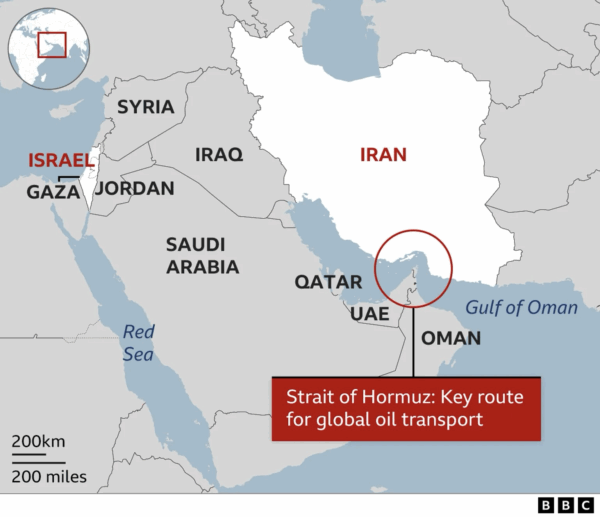
President Trump's high-profile diplomatic efforts to end the Iran conflict have produced mixed results, with negotiators struggling to finalize terms even as thousands of ships remain stranded in the Strait of Hormuz after nearly three months of closure. An agreement to reopen the waterway would trigger a complex logistical challenge involving approximately 1,500 vessels currently backed up in the critical shipping lane that handles roughly 20% of global oil traffic.
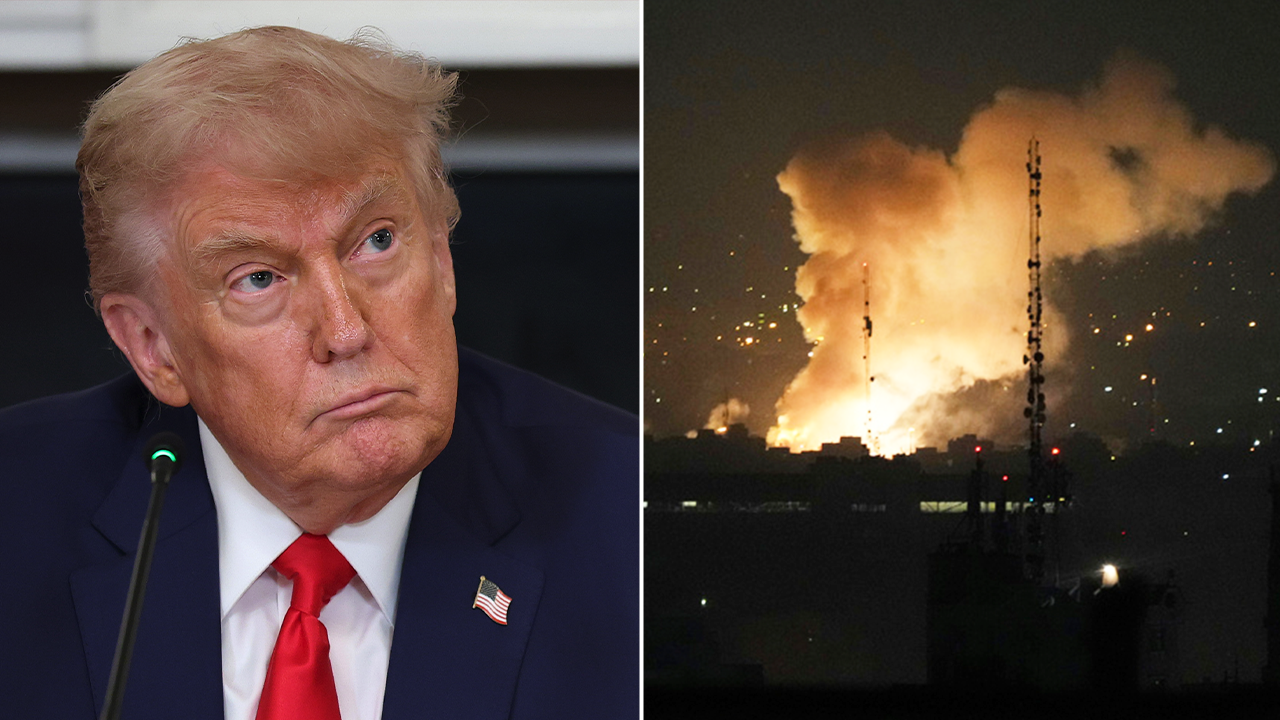
Trump had sought to pressure Tehran into accepting American terms through a combination of military operations and diplomatic threats, but Iranian officials appear to have maintained most of their negotiating positions. Top Iranian officials arrived in Doha on Monday for renewed talks, while Trump gave conflicting signals about how much progress had been made toward a comprehensive peace agreement. The President has called for more countries to join the Abraham Accords as part of any Iran deal, though analysts consider such expansion unlikely given current regional dynamics.
The shipping backlog represents one of the most immediate practical challenges facing negotiators. Maritime experts warn that even after reaching a political agreement, the process of safely moving 1,500 vessels through the narrow waterway could take weeks or months. Many ships have been anchored in the Persian Gulf and surrounding waters since late February, creating logistical nightmares for global supply chains and energy markets. Some vessels may require mechanical inspections after months of waiting, further complicating any reopening timeline.
Meanwhile, Israeli Prime Minister Benjamin Netanyahu indicated that Israel intends to intensify military operations against Hezbollah in Lebanon, Iran's key regional ally. Netanyahu's comments suggest that even progress on the main Iran negotiations may not immediately reduce broader regional tensions. The Israeli leader's stance could complicate Trump's efforts to present a comprehensive Middle East peace package to American voters ahead of the midterm elections.
The prolonged closure of the Strait of Hormuz has already contributed to rising global energy prices, with analysts warning that further delays could push oil markets even higher. Trump administration officials privately acknowledge that resolving the shipping backlog will require extensive coordination between Iranian authorities, international maritime organizations, and the various flag states represented in the stranded fleet. The complex logistics underscore how quickly geopolitical conflicts can create lasting economic disruptions in an interconnected global economy.