Iran Threatens Ships as Trump's Strait of Hormuz Protection Plan Meets Resistance
Tehran warns vessels against accepting U.S. naval escort services while shipping companies remain uncertain about safe passage through critical waterway.
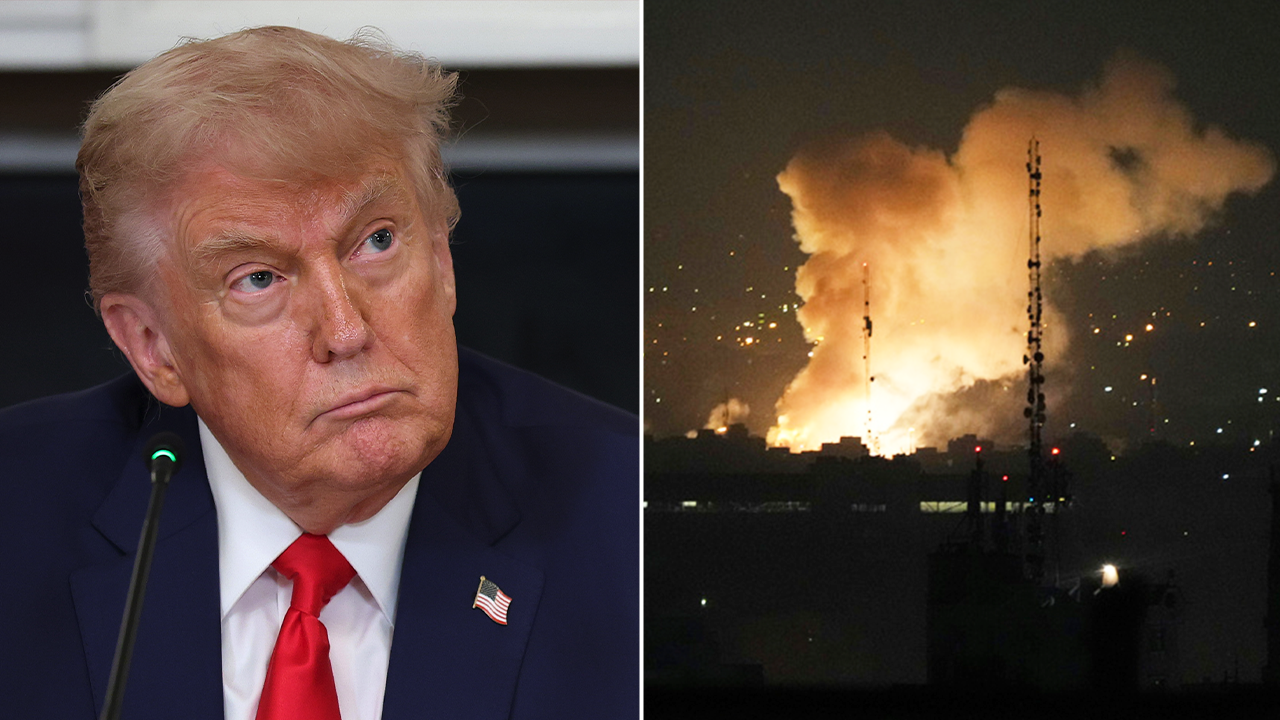
Iran issued fresh threats against commercial vessels on Monday as President Trump's newly announced plan to escort stranded ships through the Strait of Hormuz faced immediate pushback from Tehran. The volatile situation has left dozens of tankers trapped in the Persian Gulf while shipping companies struggle to determine whether accepting U.S. protection would put their vessels at greater risk. The standoff represents a critical test of Trump's "Project Freedom" initiative, which promised to forcefully deal with any interference to commercial shipping.
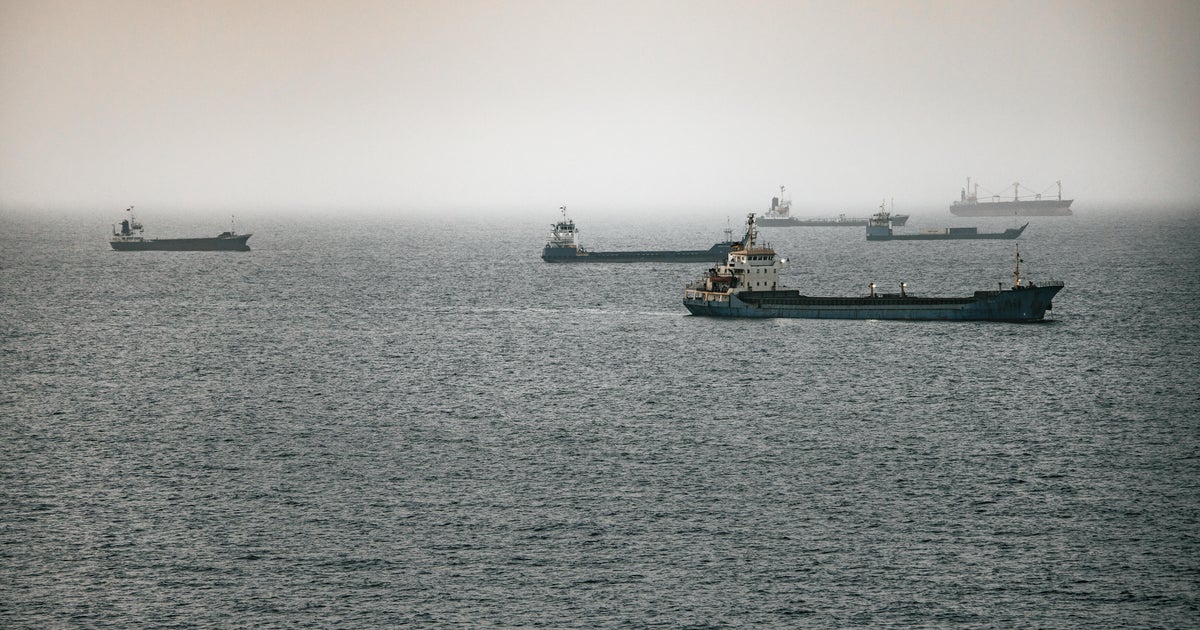
The confusion surrounding safe passage through the world's most important oil chokepoint has created a maritime nightmare for global shipping firms. Tankers carrying millions of barrels of crude oil remain anchored in Gulf waters, unable to move while their operators weigh the risks of attempting transit. Industry sources report that some companies are hesitant to accept U.S. naval protection, fearing it could make their vessels targets for Iranian forces. The uncertainty has already contributed to volatile oil markets, with prices swinging wildly as traders assess the likelihood of expanded conflict.
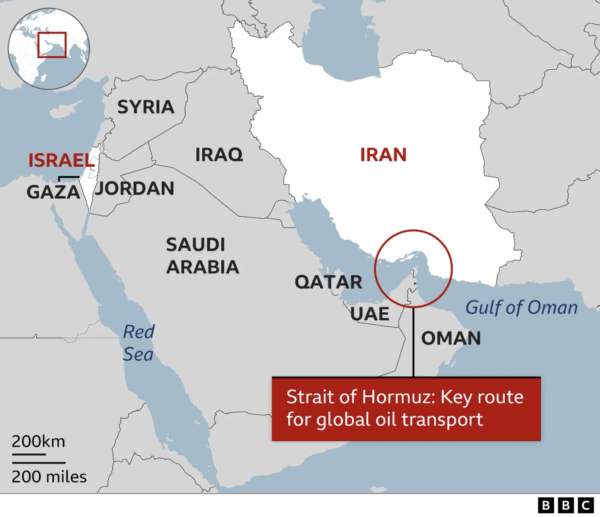
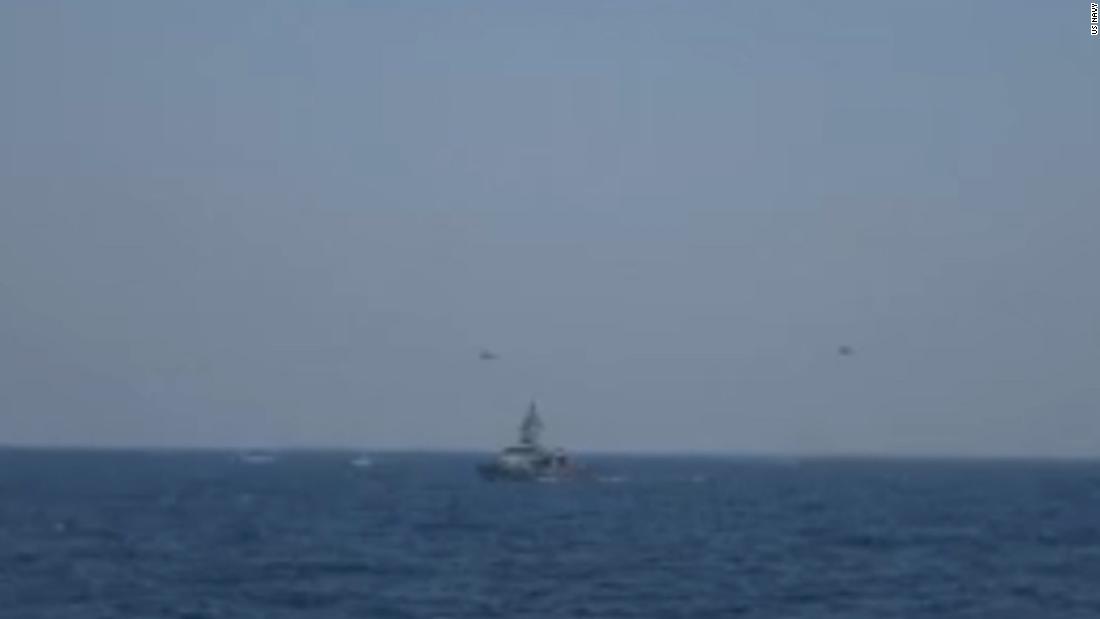
Trump's Project Freedom plan, announced last week, promised to provide naval escorts for commercial vessels seeking to exit the Strait of Hormuz. However, the president offered few concrete details about how the operation would work or what rules of engagement U.S. forces would follow. Military analysts note that the narrow waterway, just 21 miles wide at its narrowest point, presents significant tactical challenges for protecting civilian ships while avoiding escalation with Iranian forces positioned along the coastline.
The Iranian government's response has been swift and uncompromising, with officials warning that any ship accepting U.S. protection would be considered a legitimate military target. Tehran's threats have effectively created a Catch-22 situation for shipping companies, who face potential attacks whether they accept American protection or attempt to transit alone. Some vessels have been stranded for over a week, with crews growing increasingly concerned about their safety and supplies.
The maritime crisis threatens to severely disrupt global oil supplies if not resolved quickly. The Strait of Hormuz typically handles about 20% of the world's petroleum shipments, making any prolonged closure catastrophic for energy markets. European and Asian allies have urged both Washington and Tehran to find a diplomatic solution, warning that the current standoff could trigger a broader economic crisis affecting global trade routes far beyond the Persian Gulf.