Hindu Temple Plot Puts Spotlight on Surge in Anti-Indian Hate Moving Into Mainstream Online
Researchers say the alleged Illinois attack plan was unprecedented for South Asian Americans, and that dehumanizing rhetoric has spread from fringe forums to major platforms.
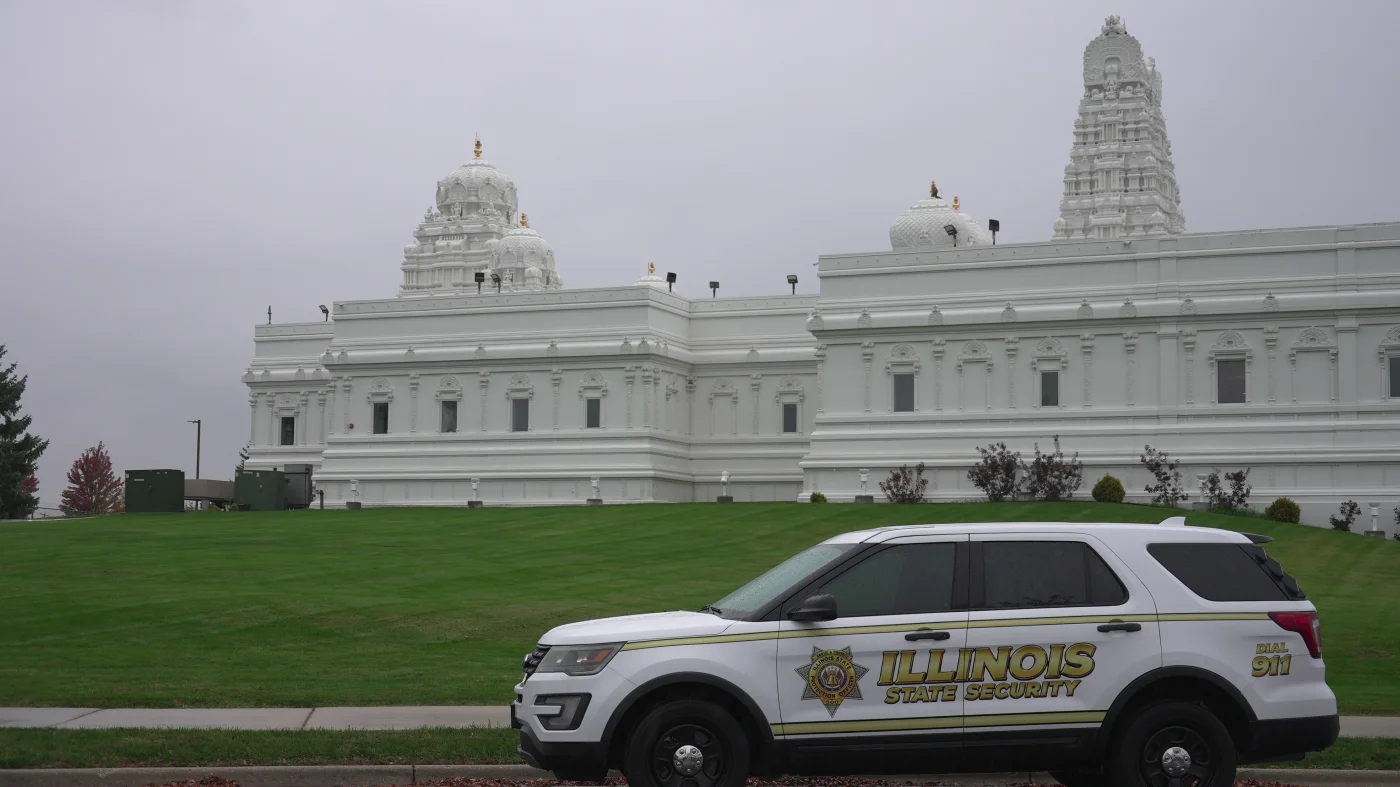
A 19-year-old man's alleged plot to carry out a mass shooting at a Hindu temple in suburban Chicago last month is drawing attention to a steep recent rise in anti-South Asian and anti-Hindu hate, NPR reported Tuesday. Police in Palatine, Illinois, said that on Oct. 11, Alexandros Paporakis, a college student and Taco Bell cashier, tried to attack the Sri Venkateswara Swami Temple in Aurora, roughly 40 miles west of Chicago. Police said the plot was averted when his gun jammed.
"Something of this scale … has not been directed at South Asians before," said Rohit Chopra, a professor of communications at Santa Clara University and visiting fellow at Stanford University's Center for South Asia. Two decades ago, the dominant narrative about Indian immigrants was glowing, and they were described as a "model minority." Chopra said that over the past four years, anti-immigrant populism, economic anxiety and rising political visibility have changed the script.
Paporakis has been charged with making a terrorist threat and unlawful possession of a rifle, both felonies. Police said his coworkers called to report the attempted attack. According to an affidavit filed by a Cook County assistant state attorney, he had sent one coworker an eight-page document outlining his motivation. A search of his apartment turned up an AR-style rifle, 300 rounds of ammunition, eight loaded magazines, one loaded extended magazine and body armor, along with a gas can and items bearing Nazi symbols and anti-Indian slurs.
Court filings say the document was filled with racially charged slurs aimed at people of Indian ancestry, Jews and African Americans, and that it described them as "subhumans." In it, the defendant allegedly called himself "a sociopathic white supremacist Neo Nazi filled with hatred," and indicated he had settled on the temple two months earlier after planning an attack for two years. "The seriousness of this alleged threat cannot be overstated," Palatine Police Chief William Nord said at a news conference.
The day of the alleged attempt coincided with the start of a major nine-day Hindu festival, and U.S. Rep. Raja Krishnamoorthi, D-Ill., and his family were among those attending the temple. Krishnamoorthi has since called for the FBI to investigate the incident as a federal hate crime.
Prasiddha Sudhakar, a board member of the Network Contagion Research Institute who coauthored some of its reports on the subject, said dehumanizing rhetoric about Indians began on fringe sites such as 4chan and Gab but has reached mainstream platforms like X on a scale never seen before. Around 2022, she said, some of it hardened into conspiracy theories, including a baseless idea of a "Brahmin Organized Government" that echoes the neo-Nazi "Zionist Organized Government" trope. The narratives cast Indians as both all-powerful and as dirty "invaders" brought in to displace tech workers.
Sudhakar said spikes in that rhetoric have coincided with moments of Indian American prominence, such as Parag Agarwal's appointment as CEO of Twitter and Sriram Krishnan's selection as a White House policy adviser on artificial intelligence. Both researchers said they see strong links between online hate and offline violence. "It's become a question of who is American," Sudhakar said.