Texas Tech Professors Say New Rules Are Forcing Them to Cut Books and Courses
Directives from Chancellor Brandon Creighton restrict how faculty can teach race, sex and gender, and professors say the vagueness has pushed many to censor themselves.
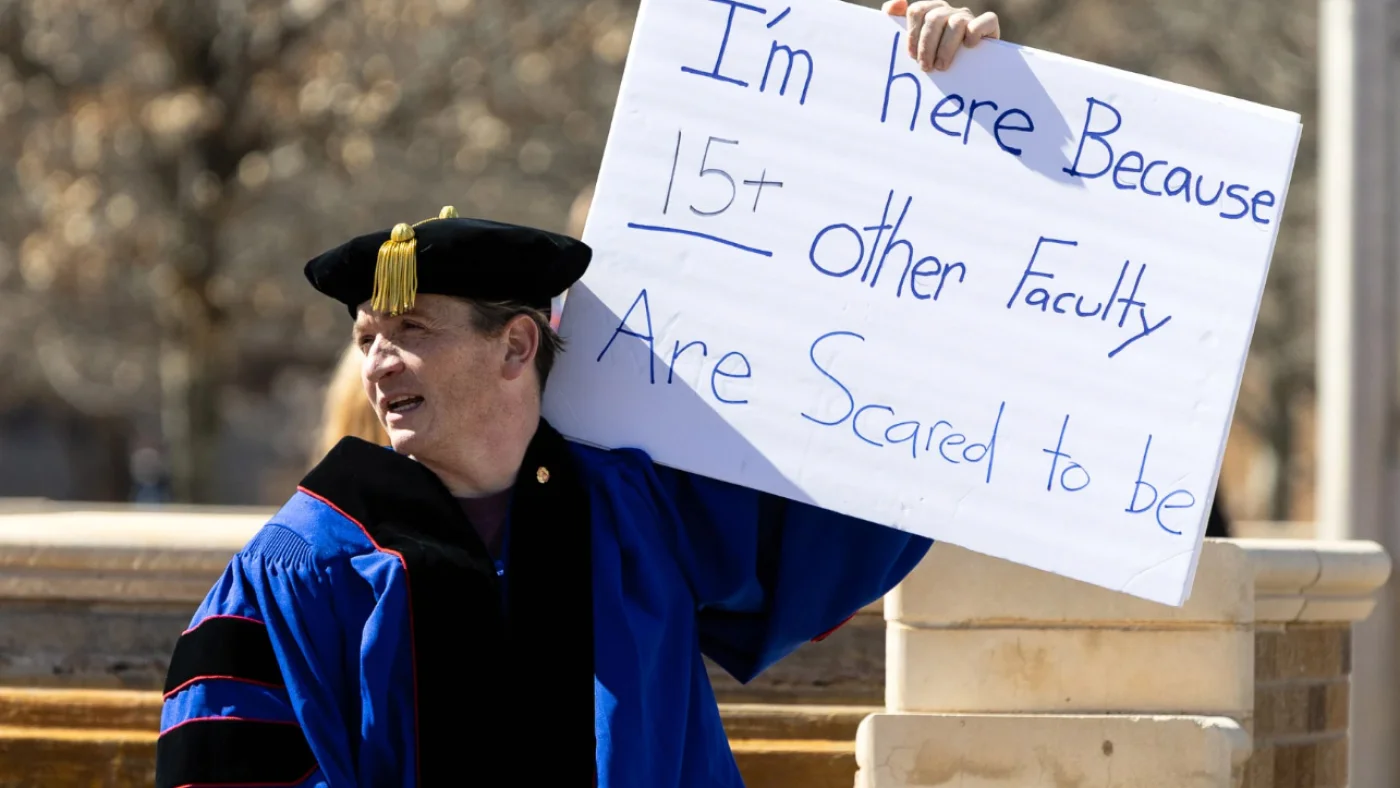
Outside the library at Texas Tech University on a recent Wednesday morning, a small group of professors stood behind a folding table in a spot students call the "free speech area." Their flyers listed familiar works: Homer's The Odyssey, William Shakespeare's Romeo and Juliet and Herman Melville's Moby-Dick. They are examples, the professors say, of texts that could run afoul of new rules governing what they can teach, NPR reported Tuesday.
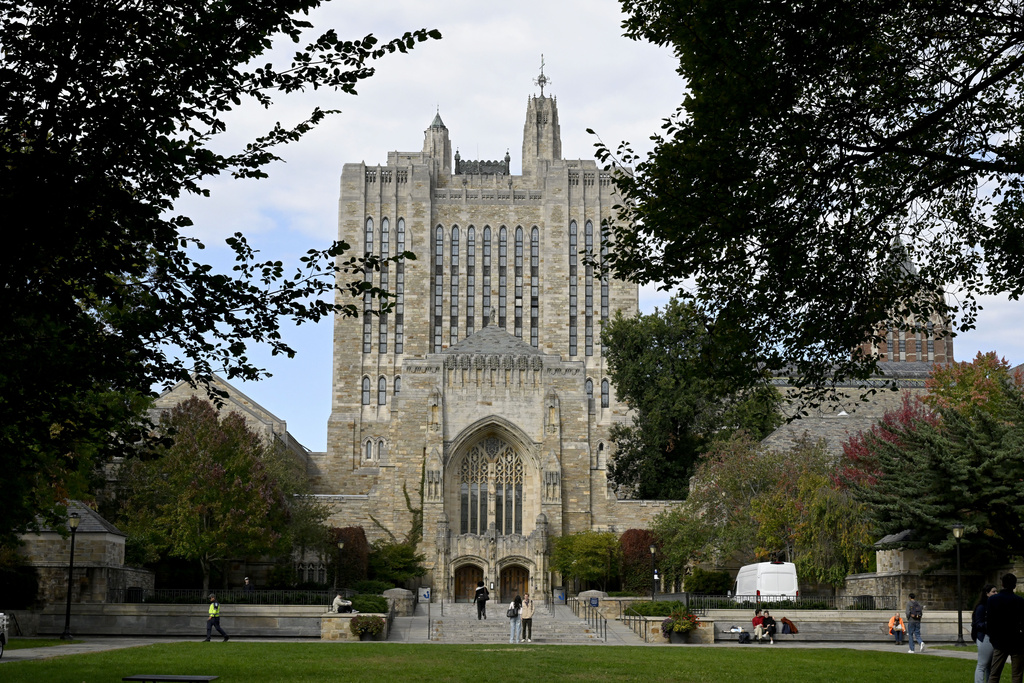
Texas Tech is among the state's 45 public universities adjusting to a wave of higher education policy changes. It began with Senate Bill 17, the 2023 law banning diversity, equity and inclusion offices and programs at public universities while explicitly exempting classroom instruction and academic research. More changes followed in 2025, including new state oversight of university curriculum. Texas Tech has since adopted some of the state's most sweeping restrictions on how professors can teach about race, sex, gender identity and sexual orientation.
The restrictions took shape after Brandon Creighton became chancellor of the Texas Tech University System in November 2025. In his first five months he issued two directives, one in December 2025 and another in April 2026, which together restrict how professors can teach about those subjects and call for phasing out academic programs centered on them. Creighton previously spent more than a decade in the Texas Senate, where he chaired the higher education committee, authored SB 17 and led Senate Bill 37, which gave governing boards more authority over curriculum.
An earlier version of SB 37 would have barred core courses from teaching "identity politics" or theories that systemic racism or sexism are inherent in U.S. institutions. Lawmakers removed that language before the bill passed. After becoming chancellor, NPR reported, Creighton imposed restrictions on some of the same subjects. He has called the law a "floor" for what Texas Tech can do, and he has rejected the idea that the rules amount to censorship. "I think that it's easy to throw those types of terms around, but at the end of the day, we have to make decisions," he said in an April interview with Everything Lubbock. Creighton's office and the Board of Regents did not respond to NPR's requests for comment.
Professors describe changes in the classroom. Deena Varner, an assistant professor of practice in English, said she was pressured to remove course material involving The Silence of the Lambs because its villain could be interpreted as transgender. Paul Ingram, an associate professor of psychology, said the rules have affected how he teaches about suicide, including differences in risk among men and women, and put university rules in conflict with the training he believes the science demands. "It hurts the mission of this university," Ingram said.
Faculty say the harm is often invisible. Because administrators have not clearly drawn the line, some professors avoid subjects altogether. "So many faculty in English and other departments, reasonably fearful of disciplinary action, have simply preemptively censored their own texts," said Sara Spurgeon, a professor of English. Administrators have warned that faculty who do not comply could face discipline, and Varner said they instructed professors not to discuss the new policies with students, though she and her colleagues have kept tabling for nine months and have spoken with hundreds of students.
Not everyone opposes the changes. Creighton has found support among some conservative students, and in August the president of Texas Tech's Turning Point USA chapter, Preston Parsons, described the policies as a return to "biblical truth." Meanwhile, "Everyone is walking around really afraid of doing the wrong thing, saying the wrong thing, teaching the wrong thing," Varner said.