Trump Personally Ordered the DOJ Not to Appeal a Texas Ruling That Struck Down the 1934 Law Regulating Silencers and Sawed-Off Shotguns, CBS Reports. Career Lawyers Objected, and Prosecutors Have Already Dropped at Least One Case.
Judge James Wesley Hendrix found that once Congress zeroed out the $200 tax on 'gangster weapons' in last year's One Big Beautiful Bill, the National Firearms Act's rules lost their constitutional footing. The appeal deadline is October 5. Anyone who joins the gun groups that sued is covered.
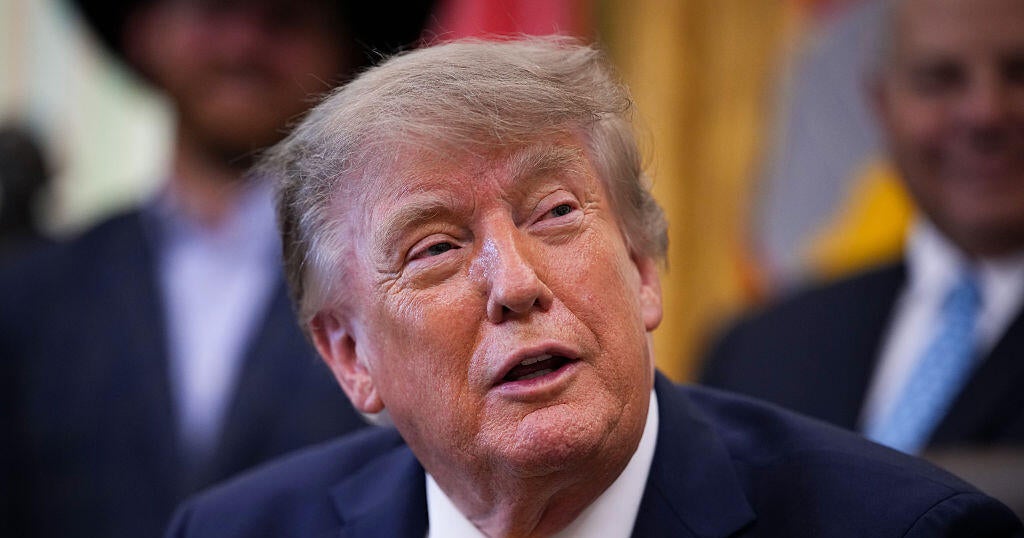
President Trump has ordered the Justice Department not to appeal a federal court ruling that dismantled most of the 92-year-old regulatory regime for short-barreled rifles, short-barreled shotguns and silencers, several people familiar with the decision told CBS News. The president made the call himself, the sources said, and has assured Republican members of Congress in a series of phone calls over recent weeks that the department would let the ruling stand. A Justice Department official said the department intends to tell Congress it will not appeal.
The decision overrides the advice of career and politically appointed lawyers across multiple Justice Department offices, who argued that the ruling is wrong, that it is already damaging federal firearms prosecutions and that letting it stand violates the department's "duty to defend," the long-standing principle that the government defends laws passed by Congress whenever a reasonable argument can be made for them. The deadline to appeal is October 5.
The ruling came in August from U.S. District Judge James Wesley Hendrix of the Northern District of Texas, a Trump appointee, in two consolidated cases brought by 15 Republican-led states and gun rights groups including Gun Owners of America and the Gun Owners Foundation. The National Firearms Act of 1934 was written to control the weapons favored by Prohibition-era mobsters, and for decades its constitutional basis has been Congress's taxing power: the law imposed a $200 tax on making or transferring a covered weapon, and the registration, fingerprinting and serial-number requirements rode along with the tax. Last year's One Big Beautiful Bill Act eliminated that $200 tax. Hendrix concluded that the rest of the structure fell with it. "Because today's NFA does not generate any revenue from untaxed firearms, its regulatory provisions cannot be upheld under the taxing power," he wrote, adding that nothing in the law's text or history showed Congress had relied on any other power.
Justice Department attorneys had argued that the Commerce Clause still supports the regulations and that the bill left intact a separate tax on businesses that make and sell the weapons. Those arguments will now go untested at the appeals court. Machine guns and explosive devices are not covered by the ruling and remain regulated under the NFA. Ordinary rifles and handguns such as AR-15s and Glocks were never governed by it, and the separate federal ban on felons owning any firearm is unaffected.
Hendrix's injunction bars the Bureau of Alcohol, Tobacco, Firearms and Explosives from enforcing the challenged provisions against the parties to the lawsuit, and he extended that protection to the gun groups' members and customers, "both current and future." A Gun Owners of America membership costs $25 a year. That clause is already reshaping prosecutions: in the Middle District of Alabama this month, the department dismissed a charge against a man named Cameron Silmon for receiving an unserialized silencer after his lawyer showed he had joined the plaintiff groups after the injunction issued. The prosecutor, Bren McMaken, wrote that the government "disagrees with Silmon's position that a District Judge in the Northern District of Texas has the power to stop the United States Attorney in the Middle District of Alabama from enforcing the criminal laws of the United States," but dropped the count anyway. Silmon now faces a machine-gun charge instead.
A Justice Department spokesperson said the ATF "will issue guidance soon to implement the court's order." A White House spokesperson said that anyone barred from buying a gun before the ruling is still barred and that all federal penalties for unlawful possession remain in force. Emma Brown, executive director of the gun-control group GIFFORDS, called the choice not to appeal a "failure to defend public safety" and said the administration "could bring us back to the days of Al Capone." NFA-regulated weapons turned up in only about 5 percent of closed ATF trafficking investigations between 2017 and 2021, though Luigi Mangione, who pleaded guilty last month to killing UnitedHealthcare CEO Brian Thompson, used a silencer. States or counties could still ask the court to let them intervene and appeal on their own, and Congress could restore the tax, though that would almost certainly require Democratic majorities in both chambers.
Originally reported by CBS News.