Justice Department Says Yale Medical School Discriminated by Race as Settlement Fight Erupts
Faculty and students are pressing Yale's leadership not to cut a deal with the Trump administration, which found the medical school admitted Black and Hispanic applicants with lower qualifications.
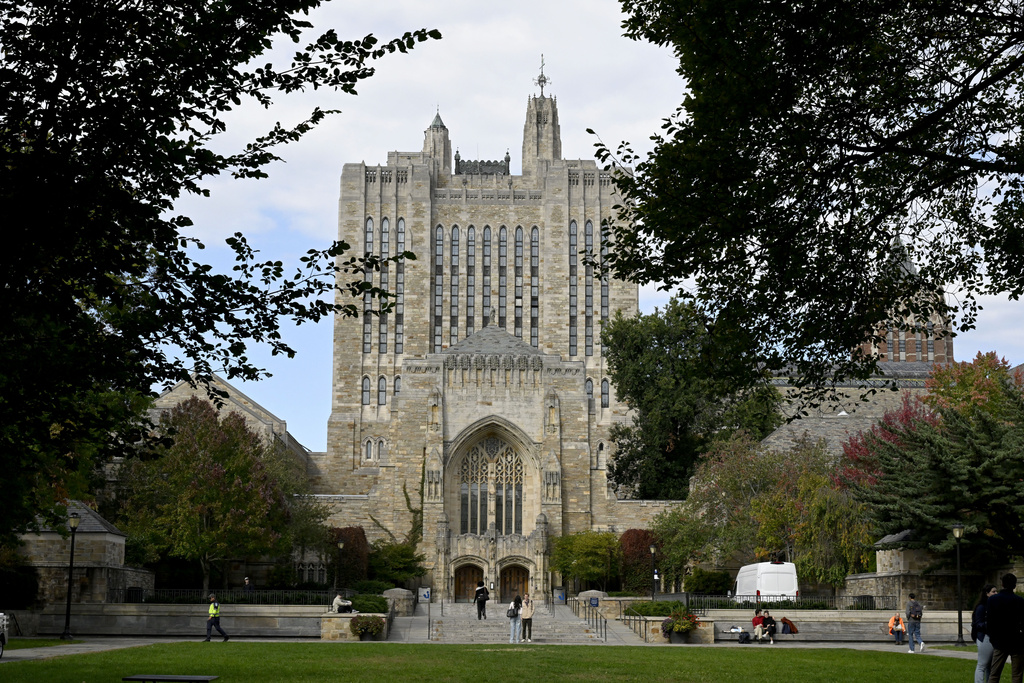
The Justice Department has concluded that Yale University's medical school intentionally discriminated on the basis of race in its admissions, setting off a bitter fight over whether the university should settle with the Trump administration or fight the findings in a case that has become a test of academic independence.
The department's Civil Rights Division said its year-long investigation determined that the Yale School of Medicine violated federal law, asserting that Black and Hispanic applicants were admitted with consistently lower academic qualifications than their White and Asian counterparts. The findings, issued after a review that began in the spring, are part of a wider push by the administration to scrutinize elite universities in the wake of the Supreme Court's decision ending race-conscious admissions. The department also has pending investigations into the admissions practices of Yale College and Yale Law School.
Yale's first settlement offer was rejected by the administration, and the university has since floated a second proposal, saying it is engaging in good faith through a process of "talking and listening." But the prospect of a deal has ignited fierce opposition on campus, where many faculty and students see any agreement as capitulation to political pressure over the university's core academic functions.
Yale Law School's dean, Cristina Rodríguez, and a group of law faculty have urged the university's leadership not to settle, warning that doing so would damage the rule of law and compromise Yale's reputation. Their appeal reflects a growing anxiety across higher education that concessions to the Justice Department could invite further intervention in decisions long considered the province of universities themselves.
Critics have also attacked the substance of the department's conclusions. Attorneys representing the Yale chapter of the American Association of University Professors called the findings "bogus — cherry-picked, statistically weak, and presented without appropriate context or support in the record," arguing that the government had built its case on a selective reading of admissions data.
Amid the pressure, Yale's president issued a message pledging to safeguard academic freedom while continuing to engage with the government, an attempt to reassure a divided campus without foreclosing negotiations. How the university ultimately responds could reverberate well beyond New Haven, shaping how the nation's most prominent schools navigate an administration determined to reshape admissions — and testing whether they will resist or accommodate its demands.
The standoff also carries financial stakes, as universities that run afoul of federal civil rights law risk losing access to the vast government funding that sustains their research and student aid. That leverage has given the administration a powerful tool, and it helps explain why the question of whether to settle has proven so divisive within Yale, an institution that prizes both its autonomy and its federal partnerships.