Trump Presses Senate to Pass Crypto Market-Structure Bill 'In Honor of' Lindsey Graham
The president urged senators to advance the long-stalled digital-asset legislation as disputes over his own $1.4 billion in crypto earnings, developer protections and stablecoin yield continue to block the votes needed to move forward.
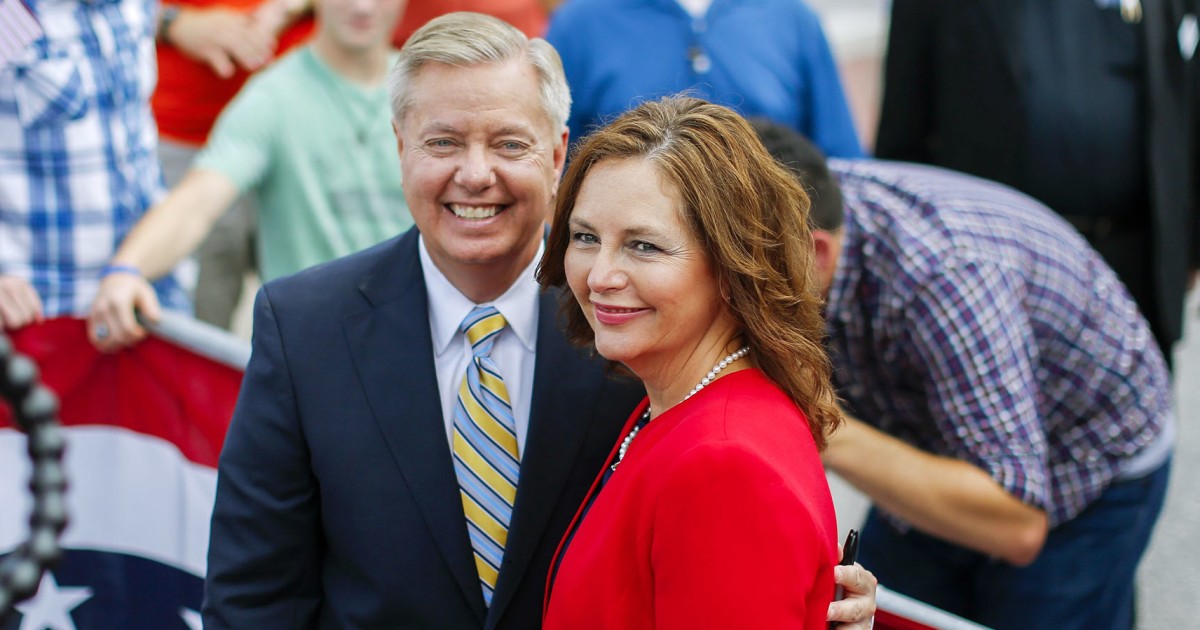
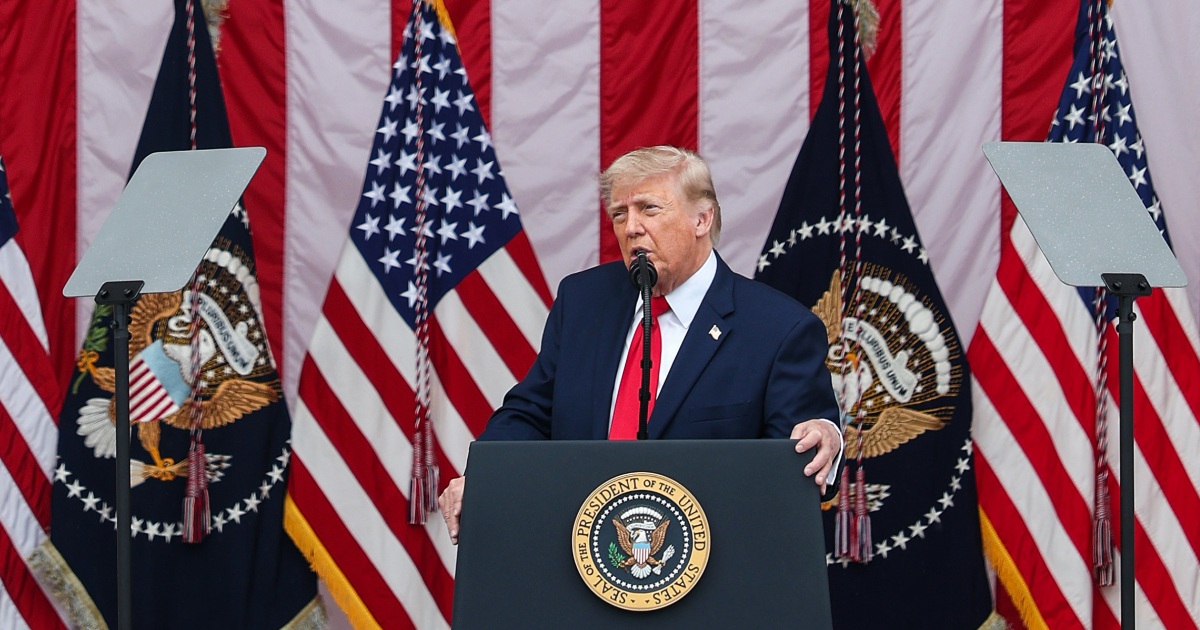
President Donald Trump on Monday called on the Senate to advance a sweeping, industry-friendly cryptocurrency bill, urging lawmakers to pass the measure "in honor of" the late Sen. Lindsey Graham as the legislation remains mired in partisan disputes over the president's own digital-asset holdings.
The bill, a market-structure package built on the House-passed Digital Asset Market Clarity Act, would define when a token is treated as a security or a commodity and divide oversight between the Securities and Exchange Commission and the Commodity Futures Trading Commission. Backers say it would give the industry the regulatory certainty it has demanded for years; critics warn it could weaken investor protections and hand the fast-growing sector a favorable rulebook written largely on its own terms.
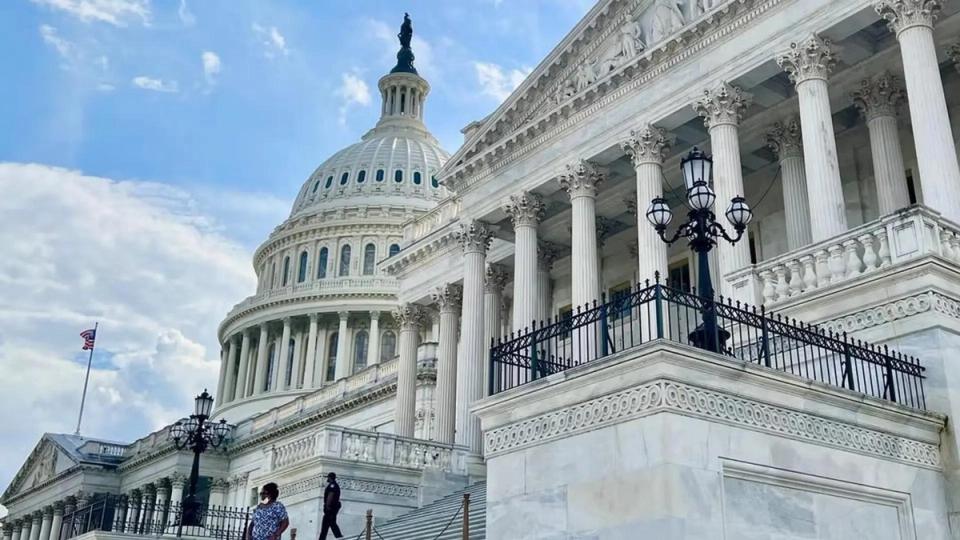
Momentum has repeatedly stalled. A target of signing the bill by July 4 came and went, and Senate Banking Committee Chairman Tim Scott, R-S.C., has been pushing for a full floor vote this month. But three unresolved fights continue to block the roughly seven Democratic votes needed to break a filibuster: an ethics provision aimed at Trump's personal crypto earnings, so-called Section 604 protections for software developers, and the treatment of yield paid on stablecoins.
The ethics dispute has proved especially thorny because of the scale of the president's involvement in the industry he is asking Congress to regulate. Trump earned roughly $1.4 billion in cryptocurrency-related income during the first year of his second term, including more than $500 million from World Liberty Financial token sales and about $635 million in royalties tied to licensing of the $TRUMP meme coin, according to disclosures. Democrats want language barring public officials from profiting off tokens they sponsor or endorse, while the White House and its allies have resisted provisions they say could sink the broader bill.
Negotiators expect a revised version — combining work from the Banking and Agriculture committees — to surface as soon as the week of July 20, with outstanding questions over federal preemption of state rules and the makeup of the SEC and CFTC still to be settled. Even so, some analysts put the odds of passage this summer at just 40 to 50 percent, a reminder that the president's public appeals have yet to resolve the substantive fights holding the measure back.
The crypto push also collides with a crowded legislative calendar and a Senate reshaped by Graham's death and the interim appointment of his sister. Industry groups have poured resources into lobbying for the bill, viewing this Congress as their best chance in years to secure clear federal rules, while consumer advocates warn that rushing a complex framework could lock in loopholes that prove difficult to unwind. For Trump, who has made digital assets a signature economic theme of his second term, the coming weeks will test whether his political capital is enough to break a logjam rooted in questions about his own financial stake.