Iran Drone Strikes Cargo Ship in Strait of Hormuz, Defying Fragile U.S. Deal
U.S. officials blamed Iran's Revolutionary Guard for a drone that struck a Singapore-flagged vessel off Oman, forcing a pause in efforts to evacuate stranded seafarers.
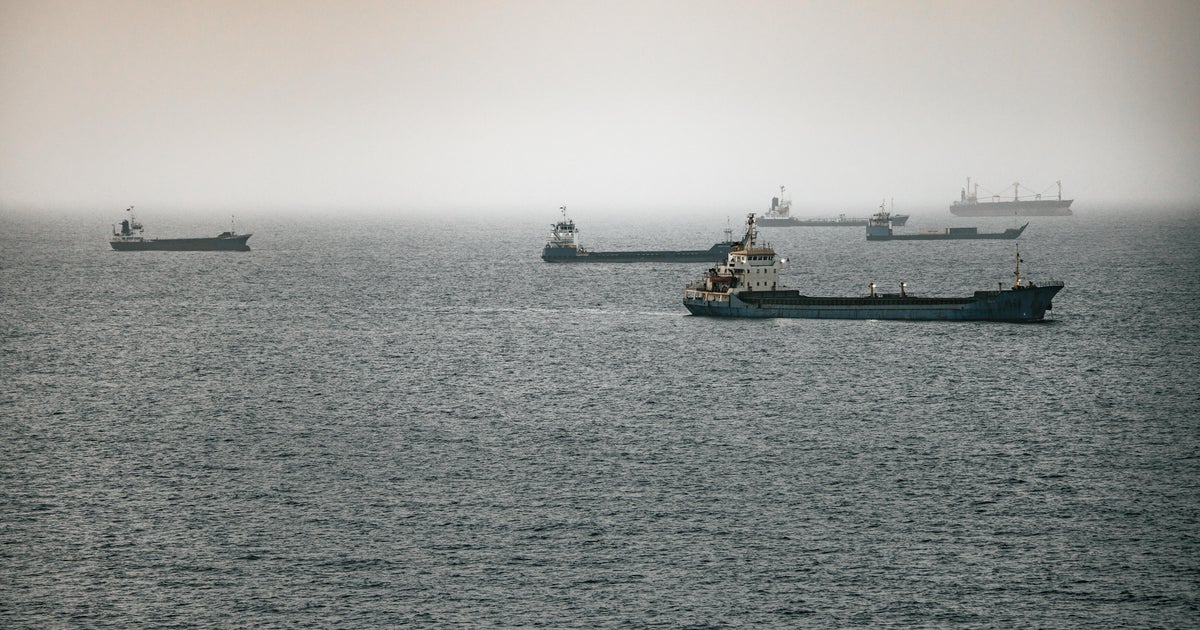
A drone struck a Singapore-flagged container ship as it left the Strait of Hormuz on Thursday, and U.S. officials said Iran's Islamic Revolutionary Guard Corps was responsible — a brazen assault that tested the durability of the postwar deal reached between Washington and Tehran only last week.
The strike hit the vessel's bridge several miles off the coast of Oman, according to the United Kingdom Maritime Trade Operations center, which coordinates merchant shipping through the region. No casualties or environmental damage were reported, but the attack rattled global energy markets and underscored Iran's continued ability to threaten the world's most important oil chokepoint, through which roughly a fifth of the planet's crude passes.
The attack came just hours after the Revolutionary Guard issued a pointed warning that commercial vessels would be granted safe passage only if they used Iranian-designated routes. Iran did not formally claim responsibility, but the timing and the U.S. assessment pointed directly at Tehran. The Guard has spent weeks asserting control over the waterway, even floating the idea of imposing "transit fees" on ships moving through the strait.
The incident immediately disrupted humanitarian logistics. The United Nations paused an operation to evacuate seafarers who have been stranded aboard vessels caught in the crisis, citing the renewed danger. Maritime insurers, already charging sharply higher premiums for the route, signaled that costs would climb again, and several shipping firms weighed whether to keep diverting traffic away from the Gulf entirely.
The strike is the latest flashpoint in what has become known as the 2026 Strait of Hormuz crisis, which erupted after a larger U.S.-Israeli military campaign against Iran in late February. A tentative agreement struck last week was supposed to de-escalate tensions and reopen the waterway to normal commerce. Thursday's attack suggested that the truce remains precarious at best, with hardliners in Tehran apparently willing to demonstrate that they can still close — or threaten — the strait at will. Washington moved to reassure Gulf allies even as it weighed how to respond without reigniting open conflict.
Energy analysts cautioned that even a single strike can ripple far beyond the Gulf. The Strait of Hormuz is the narrow gateway for crude and liquefied natural gas bound for much of Asia and Europe, and traders have grown accustomed to pricing in a "war premium" whenever Iranian threats resurface. Brent crude ticked higher in the hours after the attack as markets weighed the odds of a sustained disruption. For the seafarers caught in the middle — many of them from South and Southeast Asia, working aboard vessels owned by companies far from the conflict — the renewed danger meant another indefinite wait in one of the most volatile stretches of water on Earth. Diplomats said the coming days would reveal whether last week's agreement can absorb such shocks or whether the region is sliding back toward open confrontation.