Record-Breaking Heat Dome Bakes Europe, Smashing June Temperature Records
Paris hit 40.9°C and the U.K. logged its hottest June day on record near 38°C as a Saharan heat dome pushed Spain and Portugal toward 44°C.
A brutal heat wave shattered June temperature records across Europe this week, as a sprawling heat dome trapped scorching Saharan air over the continent and pushed thermometers to historic highs from the Iberian Peninsula to the British Isles. Authorities issued their highest-level warnings, reported heat-related deaths and battled wildfires as the most intense heat settled in between June 20 and 23.
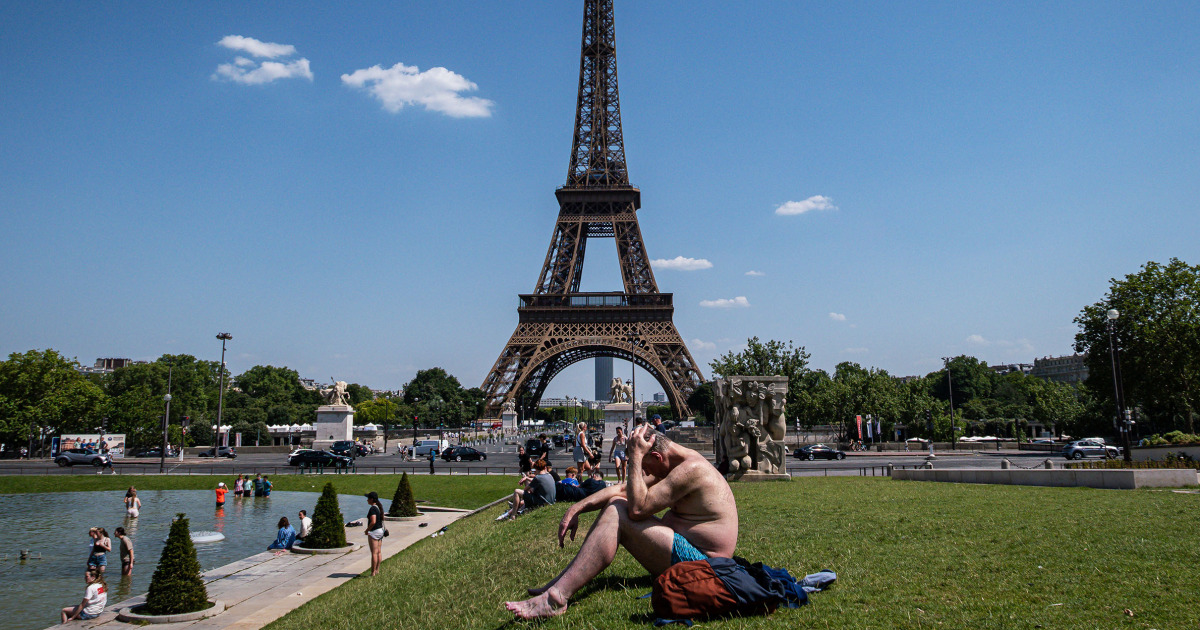
In France, Paris recorded a June high of 40.9 degrees Celsius (105.6 Fahrenheit), and 49 of the country's 96 mainland departments were placed under the top-tier heat alert as highs ranged from 40 to 44 degrees Celsius (104 to 111 Fahrenheit). It was among the hottest spells the nation has ever measured for the month. Across the Channel, the United Kingdom logged roughly 38 degrees Celsius (about 100 Fahrenheit), surpassing the 35.6-degree mark set in Southampton in 1976 to become the hottest June day ever recorded in Britain.
The most extreme readings came over the Iberian Peninsula, where Spain and Portugal pushed toward 44 degrees Celsius (111 Fahrenheit). On June 21, observers clocked 42.7 degrees Celsius (109 Fahrenheit) at Pinhão in Portugal and at Andújar in Spain, the highest temperatures of the entire event. Records also fell in Belgium, Italy, Germany and Ireland as the heat spread north and east.
Meteorologists attributed the spike to a stagnant heat dome — a sprawling zone of high pressure that parked over the continent and drew up hot air from the Sahara. Such systems act like a lid, suppressing cloud formation and allowing the sun to bake the ground day after day, with little overnight relief. The phenomenon concentrated the worst of the heat over France and the Iberian Peninsula during the latter half of the week.
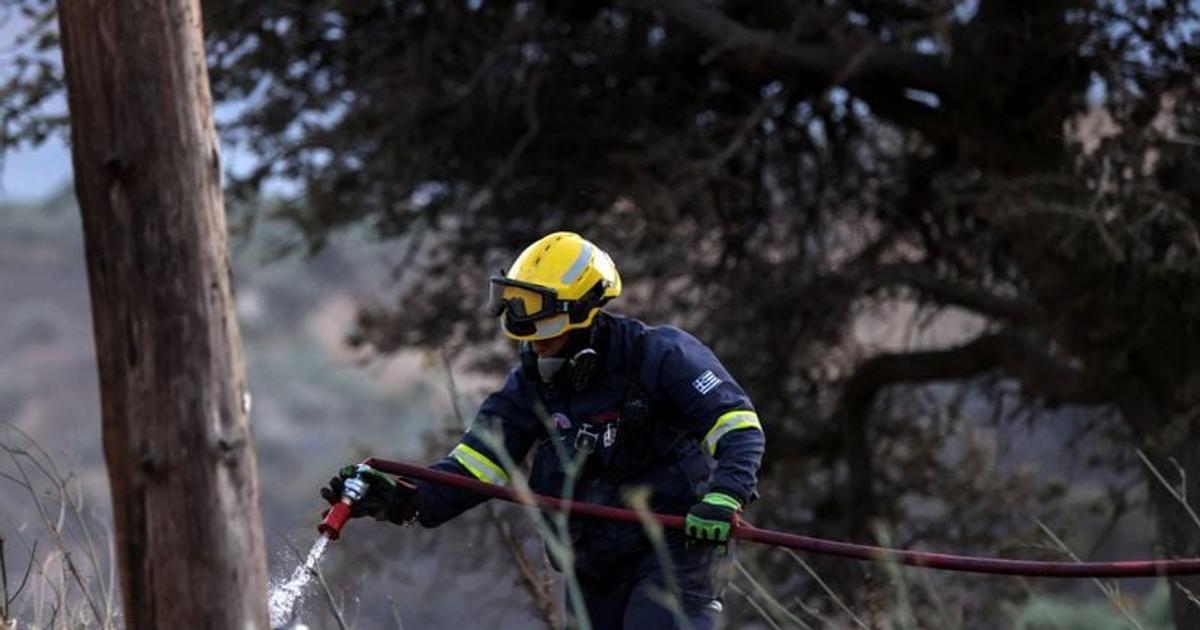
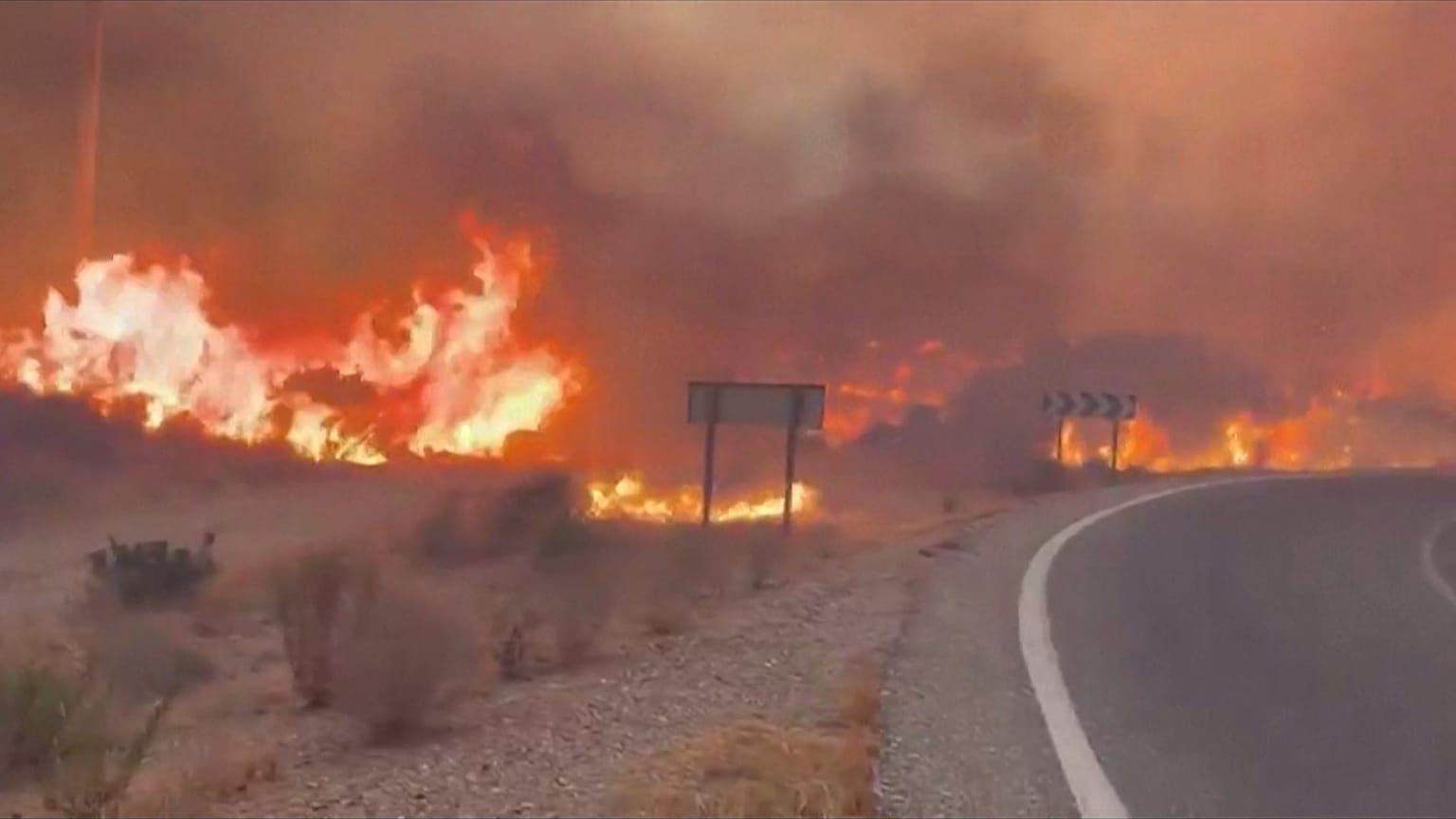
The human and infrastructure toll mounted quickly. Authorities reported heat-related deaths across several countries, issued wildfire alerts in France and Iberia, and contended with power grids strained by surging demand for cooling; blackouts struck Turin in northern Italy. Cities opened cooling centers, adjusted school and work schedules, and urged residents — particularly the elderly and chronically ill — to stay indoors during peak afternoon hours.
Scientists have repeatedly warned that climate change is making such heat waves more frequent, more intense and longer-lasting. The latest event, the second and more severe of two spells that began earlier in June, fit a pattern researchers say is now the continent's reality: record-breaking summer heat arriving earlier in the season and reaching deeper into northern latitudes than historical norms would suggest.