Keir Starmer Resigns, Setting Up Britain's Seventh Prime Minister in a Decade
The Labour leader stepped aside after losing the confidence of much of his party, opening a leadership contest that analysts say favors Greater Manchester Mayor Andy Burnham.

British Prime Minister Keir Starmer announced his resignation on Monday, stepping aside less than two years after a landslide election victory and triggering a Labour leadership contest that will hand the United Kingdom its seventh prime minister in a decade.
Starmer, who swept to power in July 2024 promising stability after years of Conservative turmoil, said he would step down after concluding he had lost the confidence of much of his parliamentary party. His decision followed months of pressure from Labour MPs and cabinet ministers alarmed by the party's collapsing standing and the rapid rise of Nigel Farage's far-right Reform UK.
The breaking point came after May's local elections, in which Labour shed more than 1,000 council seats — a result widely read as a stinging repudiation of the prime minister's leadership. Internal polling and a string of by-election warnings convinced senior figures that the party could not recover with Starmer at the helm heading toward the next general election.
In his announcement, Starmer said he would ask Labour's National Executive Committee to set out a timetable for choosing his successor, with nominations opening on July 9 and the contest completed by July 16. That timeline is designed to install a new leader before Parliament returns in September, avoiding a prolonged vacuum at the top of government during a period of economic strain and geopolitical uncertainty.
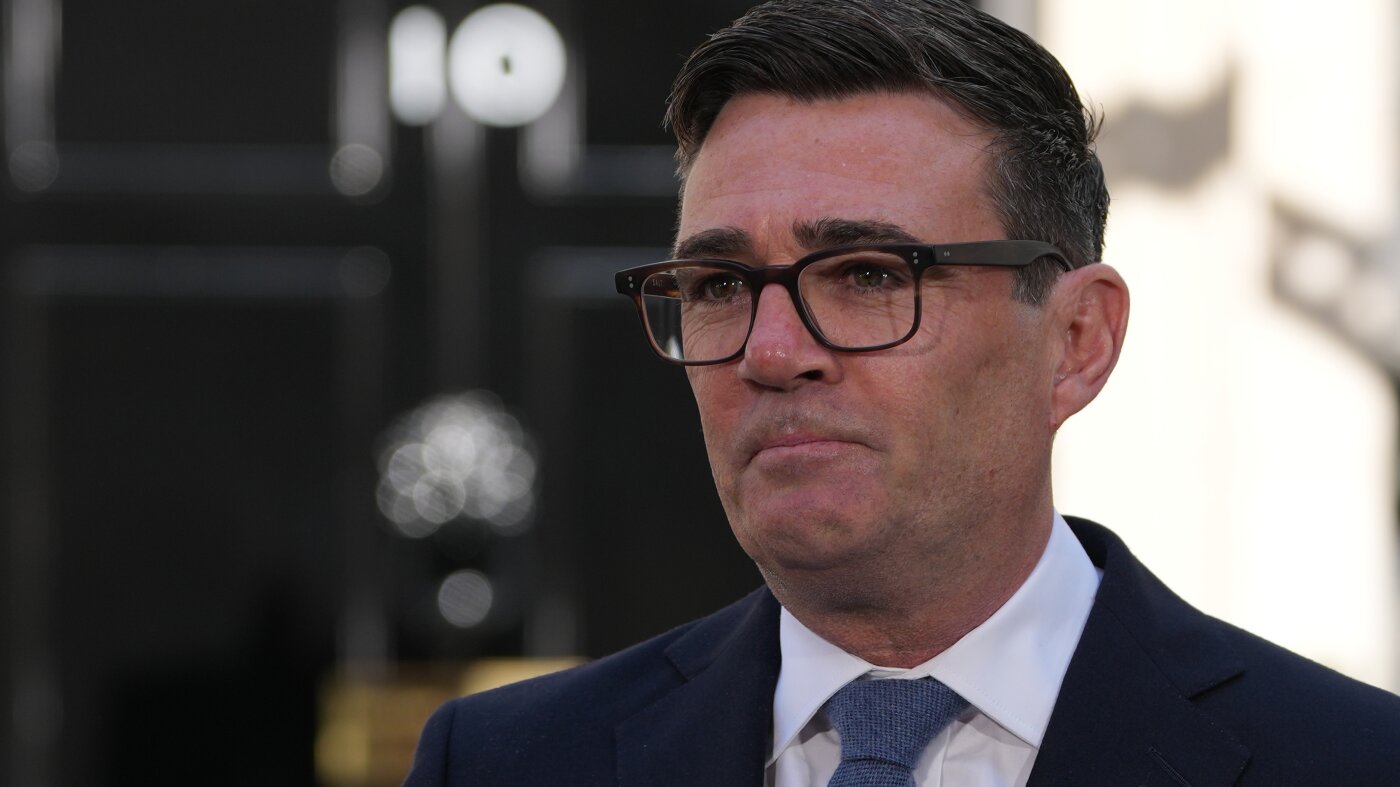
Attention immediately turned to potential successors, with analysts pointing to Greater Manchester Mayor Andy Burnham as the front-runner to enter Downing Street. Burnham, a former cabinet minister who built a national profile as a regional mayor, has positioned himself as a more combative, populist alternative to Starmer's managerial style. Other names floated include senior cabinet ministers eager to reset the party's direction before voters next head to the polls.
The churn underscores the volatility that has gripped British politics since the 2016 Brexit referendum, a stretch in which leader after leader has been undone by economic shocks, party revolts and an increasingly fractured electorate. Markets watched the pound closely as the news broke, and European partners braced for another change of government in one of the continent's largest economies. For Britain, the resignation marks not just the end of one premiership but another chapter in an era of extraordinary political instability.
The backdrop is an economy still struggling with sluggish growth and stubborn living costs, conditions that have fueled voter frustration across the political spectrum. Reform UK, which surged in the May local elections, has reshaped the landscape by drawing support from disaffected voters in Labour's traditional heartlands as well as from the Conservatives. Whoever succeeds Starmer will inherit not only a divided party but a fractured electorate and little time to mount a recovery before the next general election.