Far-Right Lawyer 'El Tigre' Wins Colombia's Presidency After Rival Concedes
Abelardo de la Espriella, a political newcomer backed by President Trump, narrowly defeated leftist Iván Cepeda in a runoff, becoming the most-voted candidate in Colombian history.

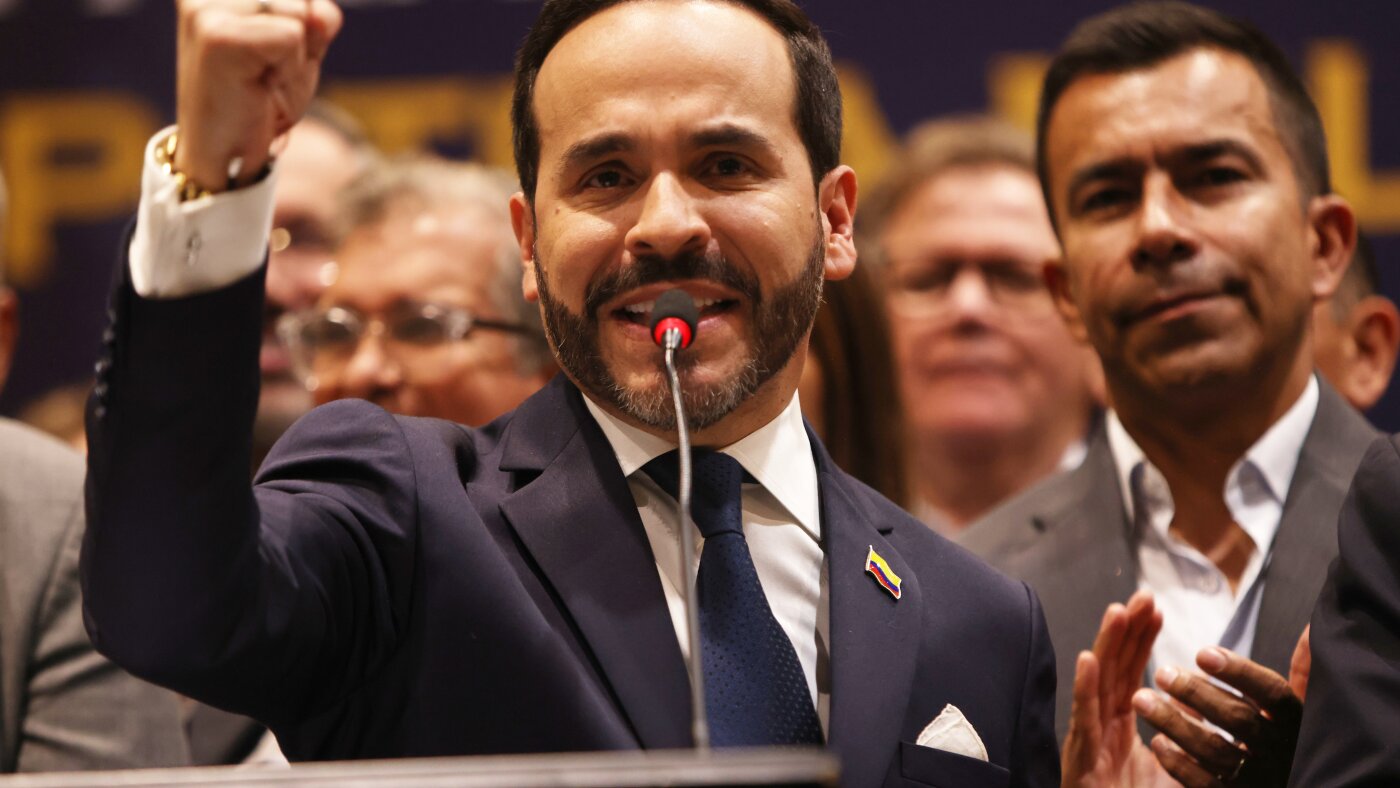
Abelardo de la Espriella, a firebrand lawyer and political newcomer who campaigned on a hardline security platform, has won Colombia's presidency after his leftist rival conceded a razor-thin runoff, capping one of the most polarizing elections in the country's recent history.
De la Espriella, widely known by his nickname "El Tigre," or "The Tiger," secured 49.66% of the vote against 48.70% for leftist senator Iván Cepeda, a margin of less than one percentage point. With 12.9 million votes, he became the most-voted presidential candidate in Colombian history, even as the knife-edge result underscored a nation split almost exactly in two.
Cepeda, who had carried the banner of the governing left after President Gustavo Petro was constitutionally barred from seeking a second term, conceded only after days of counting and mounting pressure to accept the tally. His acknowledgment of defeat brought a tense interregnum to a close and cleared the way for a dramatic ideological swing in one of Latin America's most important democracies.
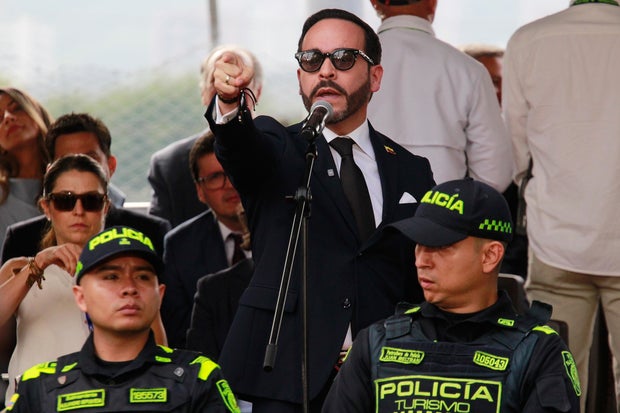
Running under the opposition "Defenders of the Motherland" movement, De la Espriella built his campaign around promises to restore order and wage an aggressive crackdown on organized crime and armed groups. A lawyer and businessman with no prior experience in elected office, he cast himself as a political outsider unafraid to break with the establishment — a message that resonated with voters frustrated by insecurity and economic anxiety. He also secured a high-profile endorsement from U.S. President Donald Trump, a relationship he signaled would anchor a warmer posture toward Washington.
His victory represents a sharp reversal from the Petro era, which had pushed Colombia toward the left on issues ranging from drug policy to relations with neighboring Venezuela. Analysts expect De la Espriella to pursue a more security-focused, business-friendly agenda at home and a recalibration of foreign policy abroad, though his thin governing margin and a divided Congress could constrain how far he can go.
International observers and rights groups are watching closely. Supporters hail De la Espriella as a decisive leader who can confront the violence that has long plagued parts of the country, while critics warn that his combative rhetoric and hardline instincts could test democratic institutions. With the country split nearly down the middle, the new president inherits both a historic mandate in raw votes and a deeply polarized electorate he will need to govern.
Attention now turns to the transition and to how De la Espriella will translate combative campaign promises into governing reality. He is set to take office in August, and his early appointments and policy signals will be closely scrutinized at home and abroad. Regional leaders, wary after years of ideological swings across Latin America, are watching to see whether his administration deepens ties with Washington and adopts a harder line toward Venezuela, or whether the constraints of a divided Congress force a more pragmatic course.