Ebola Outbreak in Congo Becomes Second Largest on Record as Cases Top 1,100
The Democratic Republic of Congo has confirmed 1,118 cases and 291 deaths from a fast-moving Bundibugyo virus outbreak that has now reached Uganda and France.
An Ebola outbreak tearing through the eastern Democratic Republic of the Congo has become the second largest on record, health officials said this week, with cases climbing faster than in any previous outbreak and the virus now slipping across borders.
The DRC Ministry of Health reported 1,118 confirmed cases and 291 related deaths as of June 24, a toll that has risen with alarming speed since the outbreak was declared. It is the 17th Ebola outbreak the country has faced, but the first to be driven by the Bundibugyo strain of the virus at this scale — making it the largest outbreak ever caused by that particular strain, which historically has been rarer and somewhat less lethal than the Zaire species.
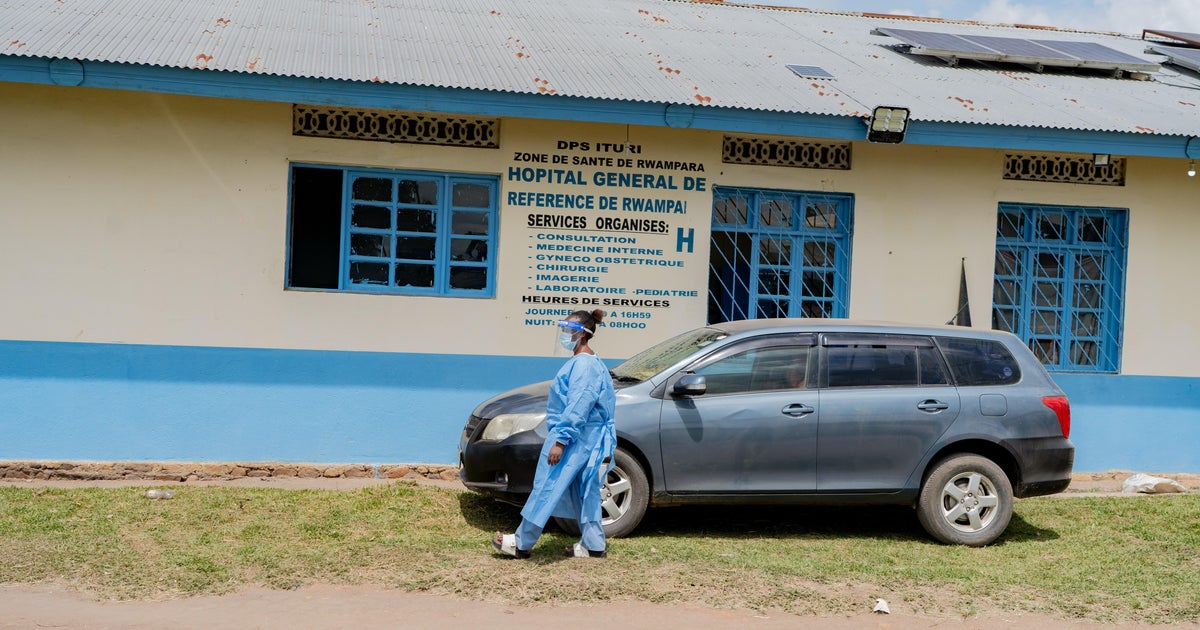
The epicenter is Ituri province, where 1,020 of the confirmed cases have emerged across 22 separate health zones. The geographic spread has complicated the response in a region already strained by armed conflict, displacement and fragile health infrastructure. Contact tracers and treatment teams have struggled to keep pace as the case count doubles in shorter and shorter intervals.
The outbreak is no longer contained to Congo. Health authorities confirmed cases in neighboring Uganda, and on June 24 France's Ministry of Health reported a single confirmed case of Ebola virus disease — a stark illustration of how quickly such pathogens can travel in an interconnected world. The cross-border movement has prompted heightened screening and renewed fears of wider international spread.
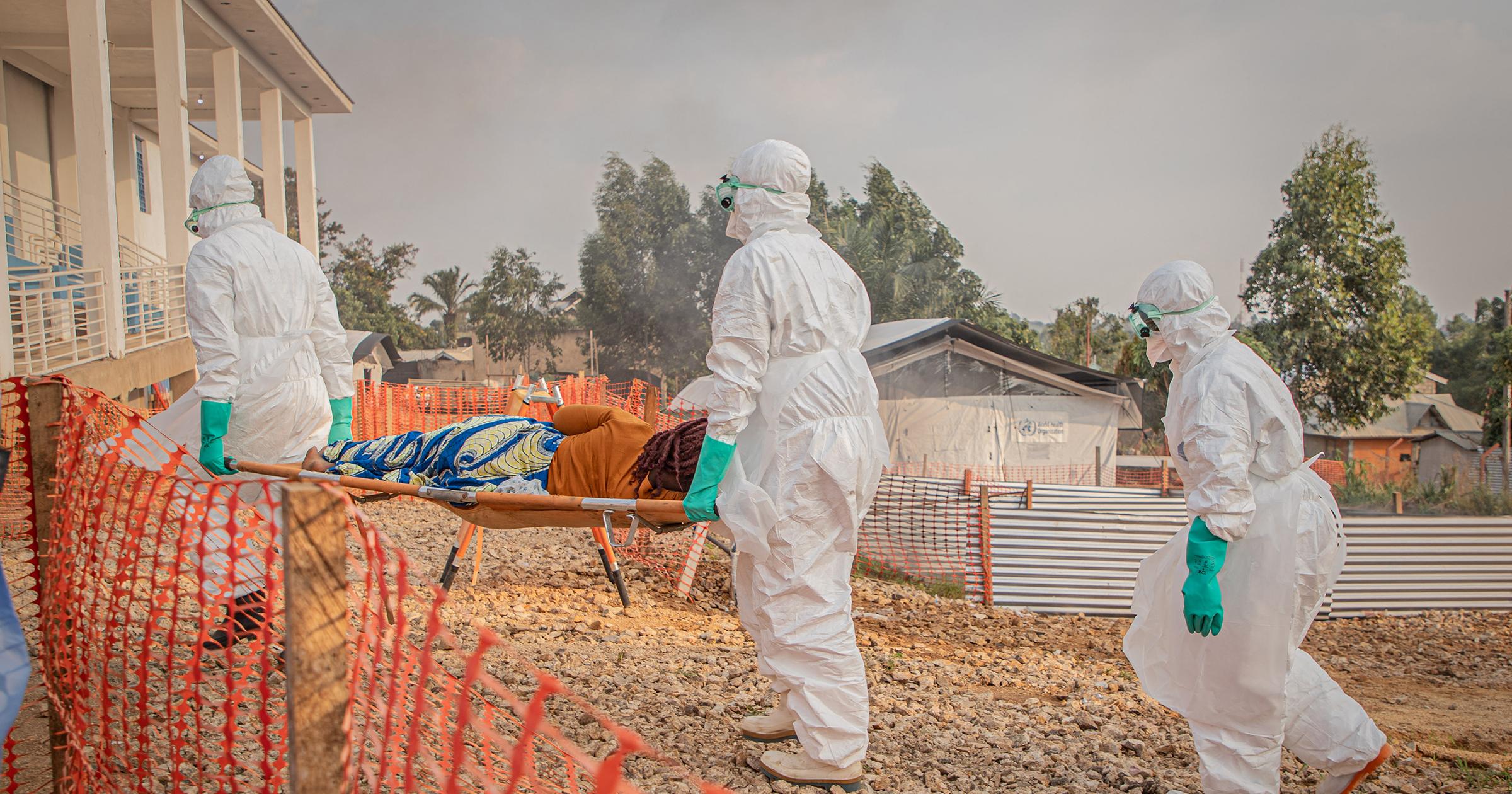
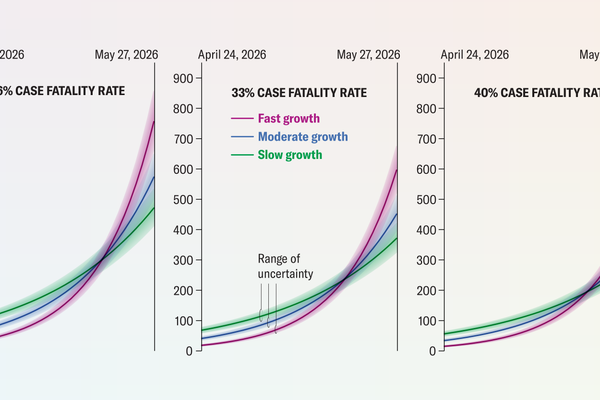
The U.S. Centers for Disease Control and Prevention, the World Health Organization and Doctors Without Borders have all mobilized to support the response, deploying vaccines, treatment units and epidemiologists. Modeled projections warn that without aggressive intervention, the outbreak has the potential to become one of the largest Ebola epidemics ever recorded, rivaling the West African catastrophe of 2014-2016 that killed more than 11,000 people. For now, responders are racing against a virus that has consistently outrun their expectations, in a corner of the world where every logistical obstacle can mean the difference between containment and a regional health emergency.
Complicating the fight is the nature of the Bundibugyo strain itself. Because it is rarer than the Zaire species that dominated past epidemics, the licensed Ebola vaccines and antibody treatments that proved effective in earlier outbreaks may offer uncertain protection, and health agencies have had to weigh how best to deploy limited countermeasures. Insecurity in Ituri, where armed groups have repeatedly attacked health facilities and aid convoys, has at times forced responders to suspend operations, allowing chains of transmission to go untraced. Community mistrust, fueled by years of conflict and previous outbreaks, has made some residents wary of treatment centers and burial teams. International donors have begun pledging emergency funds, but officials stress that the window to bend the outbreak's steep curve is narrow, and that the world has seen how quickly an Ebola flare-up can spiral when the response falls behind.