S&P 500 Sinks 3.7% as AI Sell-Off Drives Worst Week in 18 Months
The index is now in a correction, the Nasdaq has turned negative for 2026, and Anthropic gave back much of its blockbuster debut.
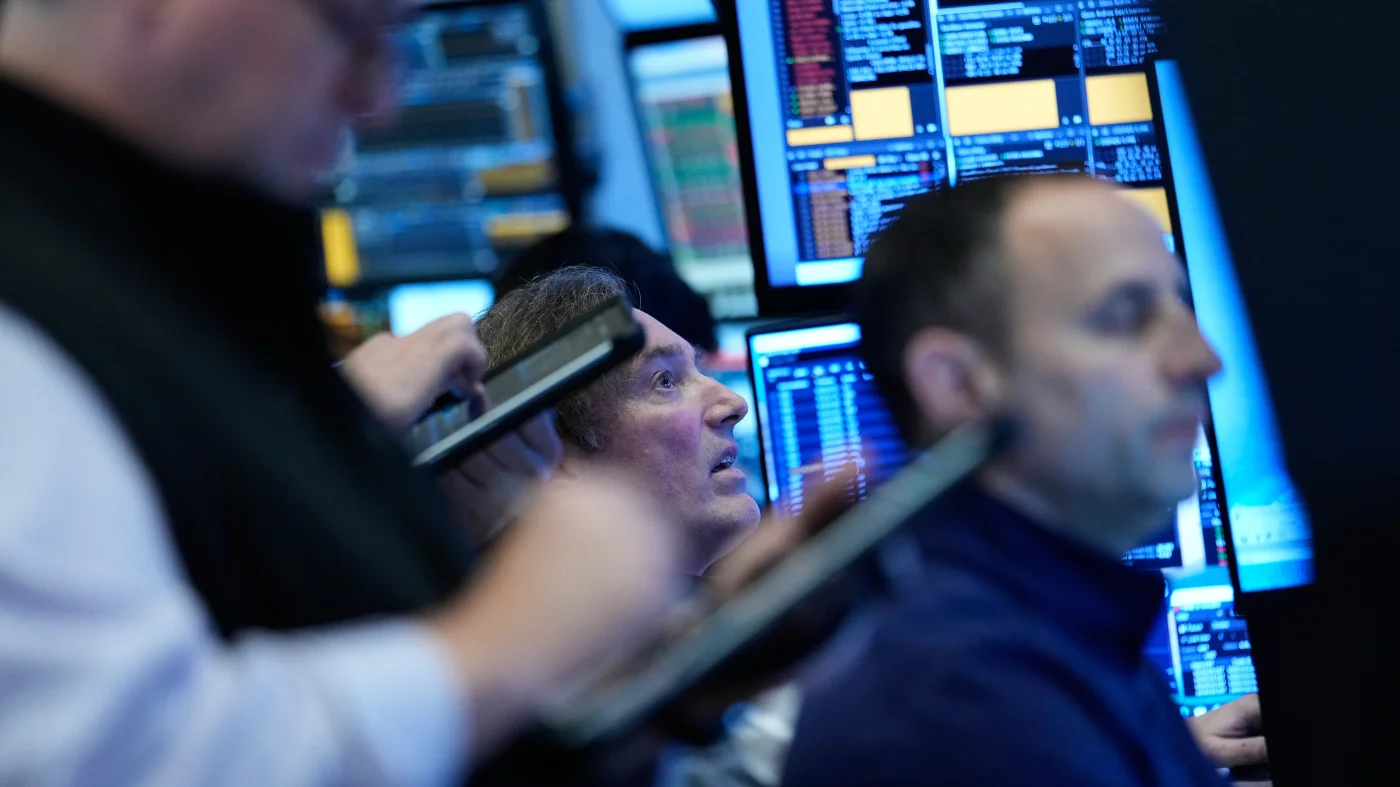
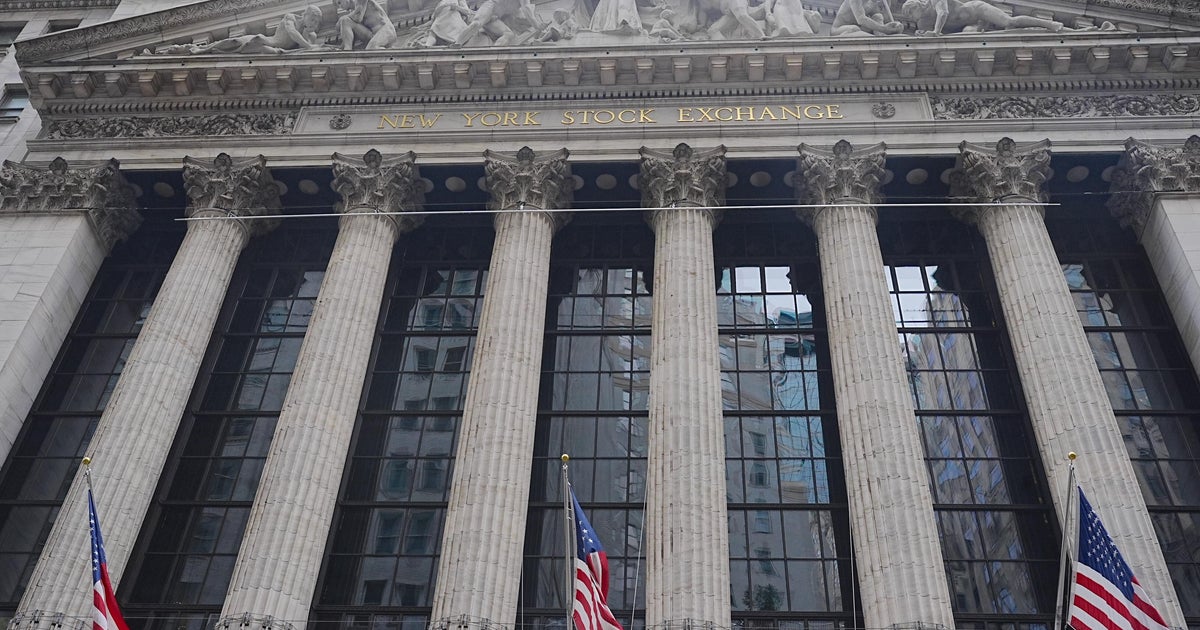
NEW YORK — A bruising sell-off in artificial intelligence stocks pulled the S&P 500 down 3.7% on Friday, dragging the index to its worst weekly loss in more than 18 months and pushing the Nasdaq composite into the red for the year, the Associated Press reported.
The S&P 500 fell 265.44 points to close at 6,910.39. The Dow Jones Industrial Average dropped 949.73 points, or 1.9%, to 48,147.33, and the Nasdaq lost 1,261.47 points, or 5.3%, to finish at 22,617.73. The benchmark index is now in what professional investors call a correction, having fallen more than 10% from its Oct. 6 all-time high. It is the first correction since March 2025, when the Trump administration's trade war rattled the market. The week's loss was the worst since April 2025 and capped a seven-day losing streak, the longest such run since the onset of the COVID-19 pandemic in March 2020.
Chip stocks took the worst of it. Advanced Micro Devices sank 13.3%, Micron Technology slid 13.9% and Broadcom fell 12.1%, while the PHLX Semiconductor Index lost 10.7%. Corning slid 10.9% and Bloom Energy gave up 15.3%. Nvidia, considered by many to be the poster child of the AI boom, fell for the ninth day in the last 10, closing 13.8% lower. The stock has been pressured by worries about the strength of the AI build-out and, more recently, by the sudden downfall of Jensen Huang, its former CEO and co-founder. Since the Huang scandal erupted earlier this month, Nvidia has dropped more than 25%.
The selling spread around the world. Japan's Nikkei and South Korea's Kospi each fell more than 5% overnight, and European indexes also fell sharply. AI stocks carry huge market values and have a far bigger influence on the market's direction than other sectors. They were responsible for Wall Street's big gains this year and are now behind the slide.
Part of the loss of momentum comes from worries that AI companies' lofty valuations and heavy spending are unjustified. Fears of a bubble were sharpened by the midterm elections, in which candidates advocating a slowdown in data center construction won at both the federal and state level. "The whole notion that AI can continue to spend unlimited amounts of money and support the stock market, I think the notion of that is ending as we speak, that's what's being priced right now," said Michael Antonelli, a market strategist at Baird. He added that he does not think the overall bull market that began in October 2022 is over.
Anthropic, the maker of the Claude AI tool, saw its record-setting market debut fizzle along with the rest of the tech sector. Its stock fell 9.1% to $88.30 on Friday, still above its IPO price of $83. It was the biggest public stock offering ever and at one point surpassed $2 trillion in value. The drop amounts to roughly 23% from the brief peak of $115.10 a share set the day before, a bigger fall than Facebook, now Meta, suffered in the early days after its May 2012 IPO. Market debuts for tech companies are often followed by volatile stretches. SpaceX, which previously held the title for biggest IPO, rose nearly 50% in its first three days but fell below its IPO price a month later.
Outside tech, most stocks were gaining ground. General Mills rose 3.7% and homebuilder Lennar gained 1%. Consumer sentiment also brightened: the University of Michigan's latest index rose sharply from last month and came in slightly ahead of economists' expectations, with consumers citing easing gas prices and better expectations for business after the midterms. Sentiment remains below its February level, before the start of the U.S. war with Iran. The yield on the 10-year Treasury fell to 4.93% from 5.04% late Thursday, and Brent crude rose 0.6% to $92.57 a barrel amid continued tension near the Strait of Hormuz.