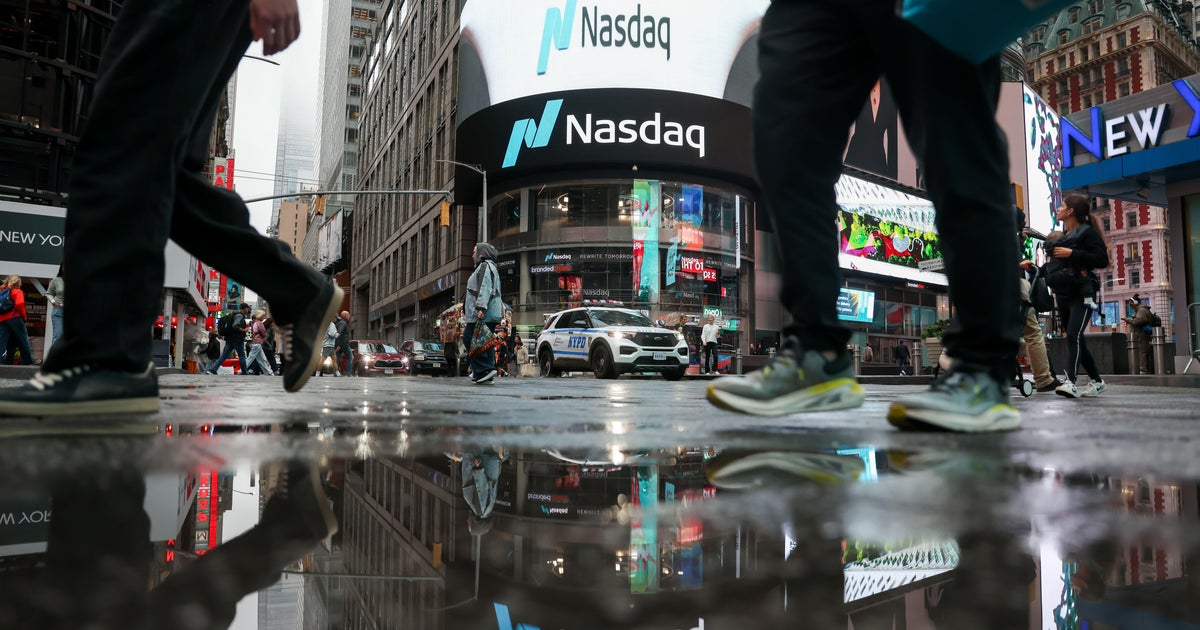
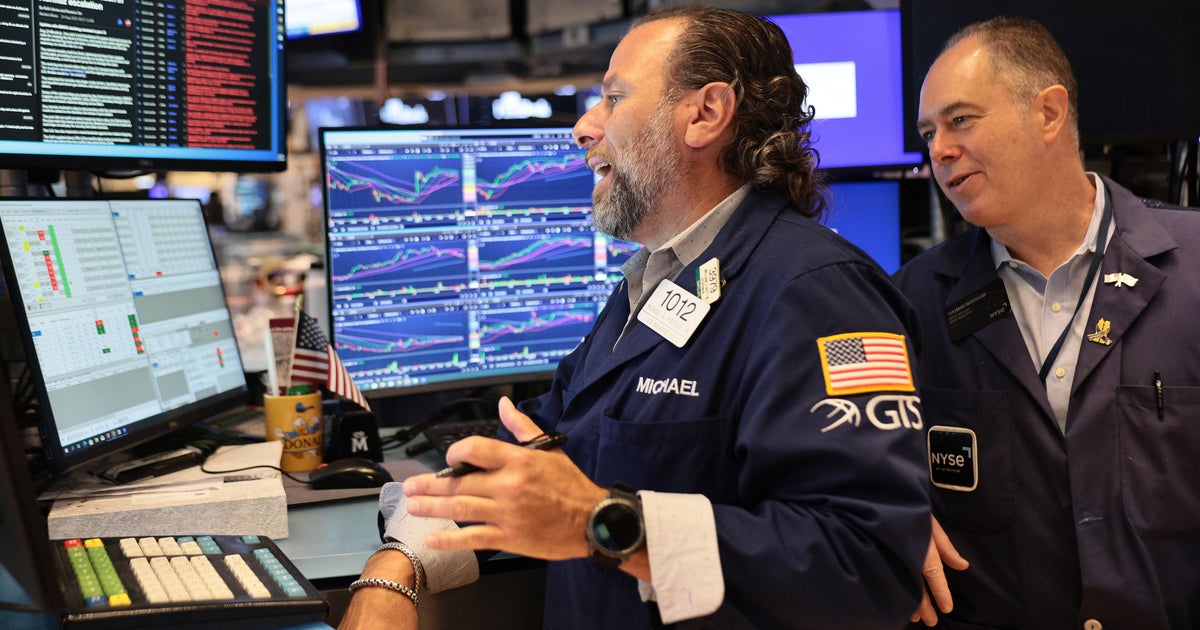
Nasdaq Plunges 5.5% Into a Correction as AI Stocks Crash and S&P 500 Falls 4.4%
Nvidia dropped 9.3% and AMD 17.3% as worries about AI data-center spending and Democratic midterm wins hit Wall Street on Thursday, erasing the market's best day in three months.
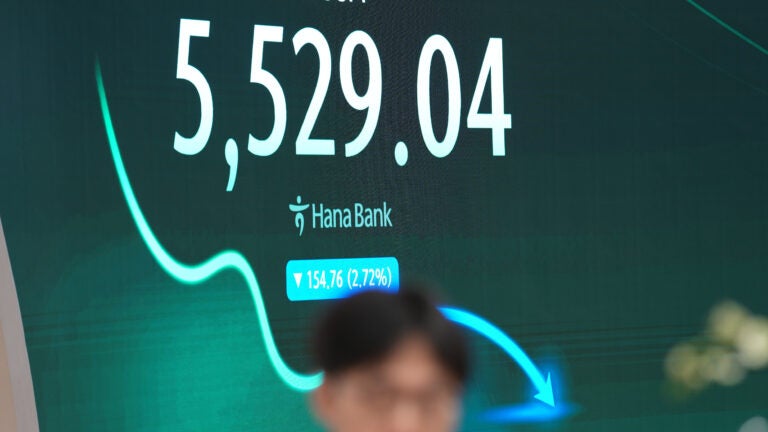
Wall Street suffered its worst day in more than a year on Thursday as a brutal sell-off in artificial-intelligence stocks dragged the Nasdaq composite into a correction, the Associated Press reported. The S&P 500 fell 4.4% to 7,353.73, a loss of 334.89 points and its worst day since the April 2025 tariff shock that followed President Donald Trump's "Liberation Day" announcement.
The Dow Jones Industrial Average dropped 1,833.06 points, or 3.4%, to 51,523.06. The Nasdaq composite fell 5.5%, or 1,421.52 points, to 24,315.00. That leaves the tech-heavy index 11.9% below the record it set last month, which meets Wall Street's usual definition of a correction. The rout wiped out the previous day's gain, which had been the market's best in three months, and stocks that were up in the morning gave up all of their gains by the close.
AI data-center stocks took the heaviest losses. Nvidia, the heaviest drag on the S&P 500, fell 9.3%. It is now down 2.6% for the year after gaining roughly 39%, 171% and 239% over the previous three years. Advanced Micro Devices tumbled 17.3%. CoreWeave, which rents access to AI chips over the cloud, fell 9.8%, and GE Vernova, which helps supply power to data centers, lost 7.5%. A few stocks bucked the slide: AppLovin jumped 31% after beating profit and revenue forecasts and announcing a buyback of up to $3.2 billion, and Tapestry, the parent of Coach and Kate Spade, rose 7.1% after raising its forecasts.
Analysts pointed to several causes. One is worry that construction of AI data centers could slow because borrowing costs have climbed. Another is a growing chorus of critics who say prices for AI companies had turned into a bubble. A third is politics. Democrats won full control of Congress in Tuesday's midterm elections, which raised the possibility of government pauses on data-center construction, according to the AP. Voters across party lines are wary of AI and of the higher electricity bills that data centers can bring.
The pain was not limited to the United States. South Korea's Kospi fell 5.3%, and Japan's Nikkei 225 slid 1.8%. In London, the FTSE 100 dipped 0.4% after the Bank of England raised its main interest rate for the first time in three years to fight inflation. Governor Andrew Bailey said the best outcome would be an end to the Middle East conflict, adding that the bank's future moves depend largely on the Iran war, which has pushed up oil prices. He said the past 48 hours had brought encouraging news. Brent crude rose 3.9% to $98.29 a barrel, recovering part of a nearly 9% drop the day before.
Treasurys offered a refuge. The yield on the 10-year Treasury eased to 4.84% from 4.90% late Wednesday. It was 4.95% on election night and above 5.30% last month, a level that had weighed on stocks for weeks. Analysts read the move as investors rushing into safer assets.
Some economic reports were upbeat. Fewer U.S. workers filed for unemployment benefits last week, and productivity over the summer grew more than economists expected, which could support growth without adding to inflation pressure. The next test came Friday with the October jobs report, which showed employers adding 165,000 jobs, far more than forecast.