House Democrats Unveil Bill to Rein In Pardons, but Legal Experts Say It Likely Fails
Reps. Mike Levin and Jason Crow say the bill targets a "pardon industrial complex"; constitutional scholars say Congress cannot regulate the pardon power by statute.
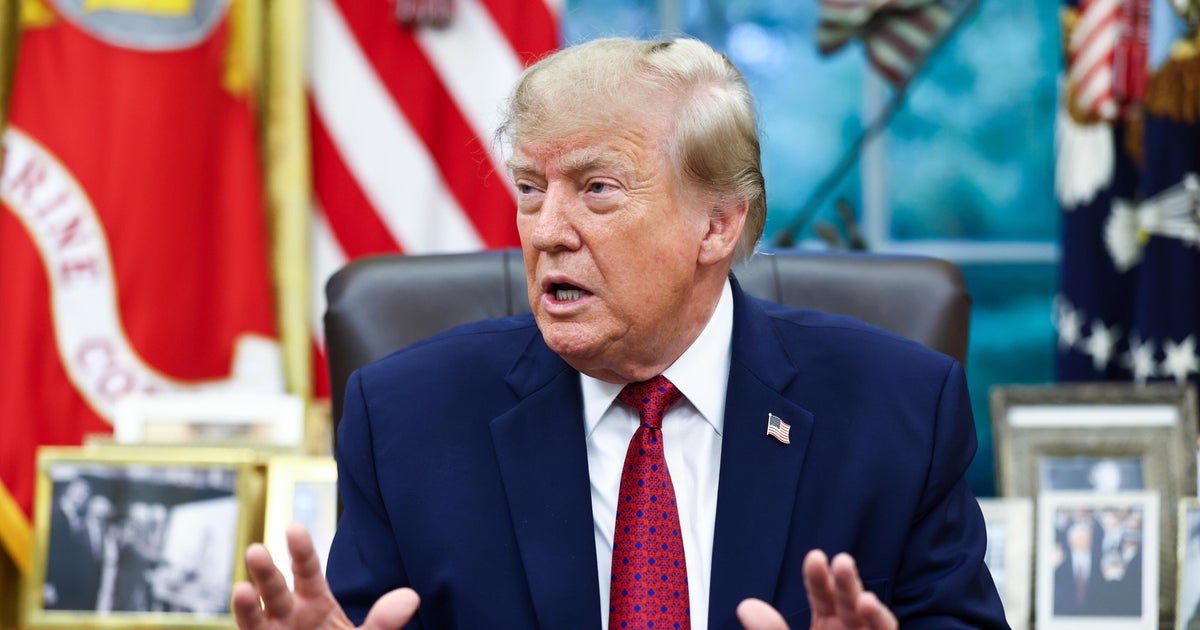
Two House Democrats on Wednesday introduced legislation aimed at curbing what they call the abuse of presidential pardons, setting up an early fight over executive power as their party prepares to take control of Congress in January. Reps. Mike Levin of California and Jason Crow of Colorado unveiled the Abuse of the Pardon Prevention Act, which targets acts of clemency that raise possible conflicts of interest or could involve favors for a president's allies and donors.
Levin told CBS News in an exclusive interview that the country has "a pardon industrial complex" in which "you literally, for the highest dollar amount, can go and buy a pardon." He said that is not what the Founders intended. "The pardon power is intended to be used in cases of justice and mercy," he said. Crow said, "No president should be able to abuse the pardon power. We cannot accept a two-tiered system of justice that treats the wealthy and well-connected differently than working people."
The White House rejected the premise. "President Trump performs his constitutional duties in an ethically sound manner and to suggest so otherwise is either ill-informed or malicious," said White House Counsel Will Scharf.
Beyond the political obstacles, including a Republican-held Senate until January and the president's veto, the bill faces serious legal ones. Three legal experts who spoke with CBS News said key parts of it would likely collide with the president's constitutional pardon power. Samuel Morison, a former Justice Department pardon attorney-adviser, said, "The constitutional remedy for the misuse of the pardon power is impeachment and removal. What you can't do is exactly what this bill tries to do, which is regulate the exercise of the pardon power through legislation."
Brian Kalt of Michigan State University, who has studied presidential self-pardons, said the bill's ban on them is "purely symbolic." If the president has that power, he said, "a statute cannot take it away," and if he doesn't, "the statute changes nothing." Josh Blackman of South Texas College of Law Houston also said key portions would likely run up against the Constitution.
Levin argued there is a path to legislate without undermining the Constitution. "If anything is running afoul of the Constitution, it's the way this president is misusing the pardon power," he said. He also said Democrats plan to "use our power of the purse to ensure the independent investigation of every department," a sign of how the new majority intends to use oversight authority.
Levin said his concerns reach beyond Mr. Trump. "I disagreed with certain pardons during the Biden years, and I disagreed with certain pardons during the Clinton years," he said. "Every member of Congress that actually cares about the institution, cares about checks and balances, cares about the rule of law, cares about the Constitution of the United States, will want to see reforms to the pardon power." Whether the bill gets a hearing is unclear, but it previews the oversight agenda Democrats are expected to pursue once they take the gavels.