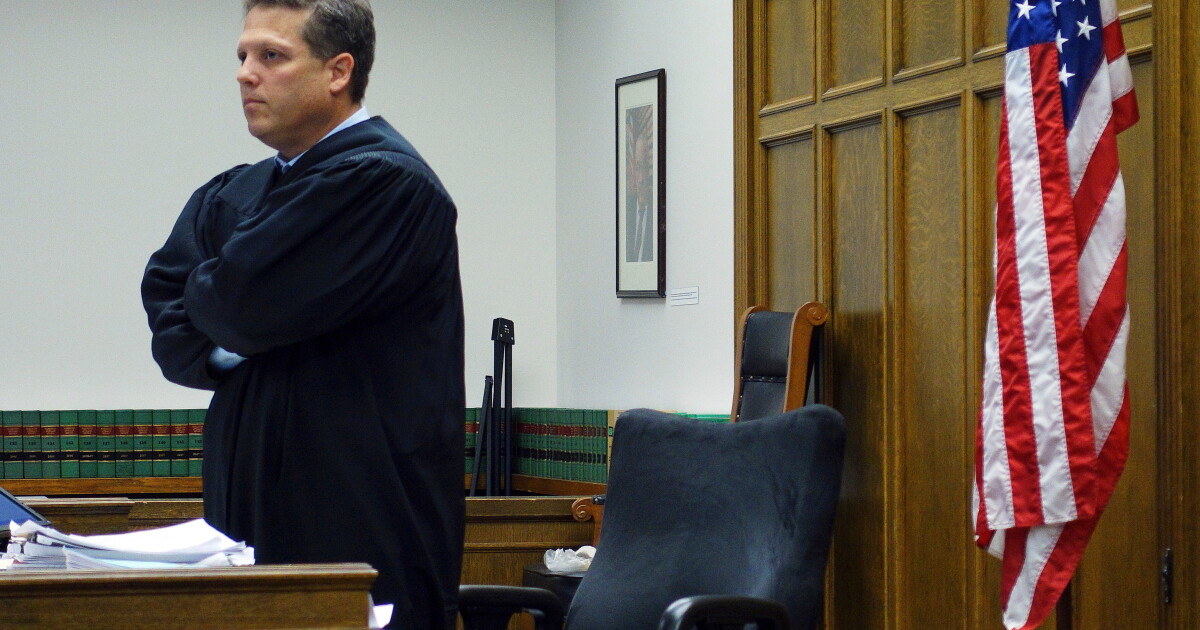
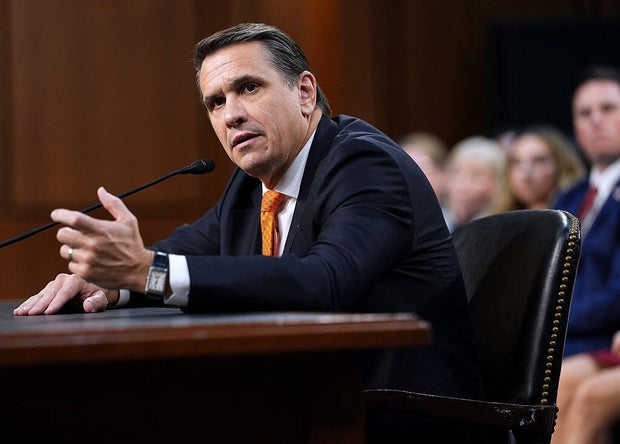
Trump and Senate Republicans Race to Confirm Judges Before Democrats Take the Chamber
With Democrats poised to hold at least 54 Senate seats, the Judiciary Committee is speeding up hearings, and Dick Durbin says Republicans are violating 'numerous longstanding standards.'
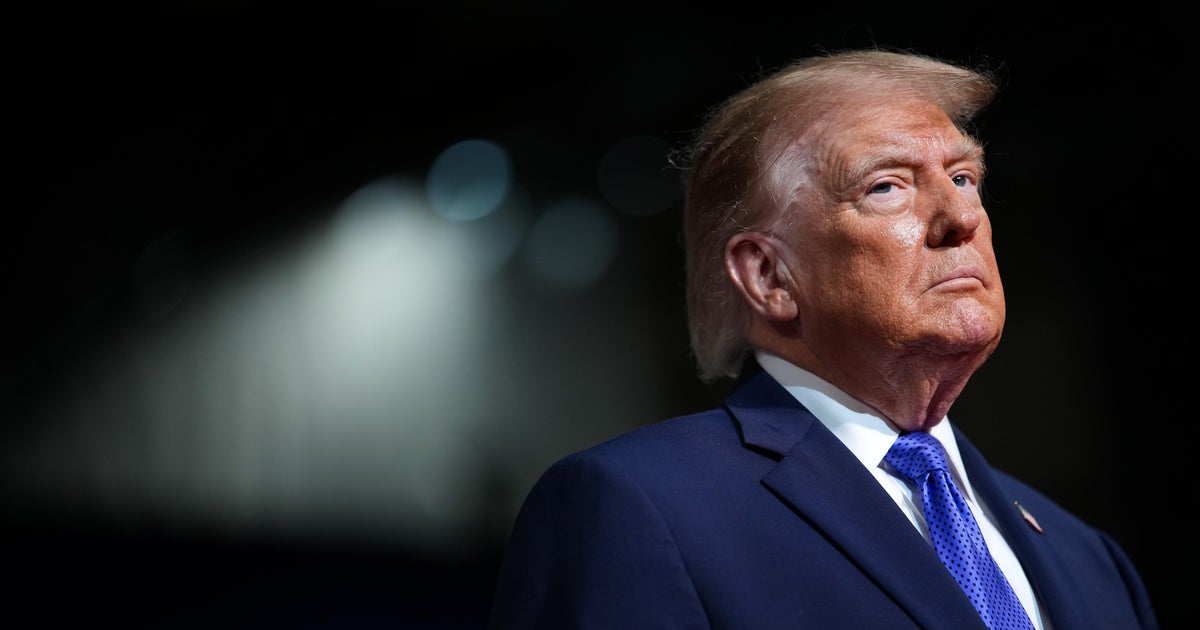
President Trump's campaign to shift the federal courts to the right could be nearing its end, with Democrats poised to take control of the Senate next year. Republicans on the Senate Judiciary Committee are moving quickly to advance his picks before the majority changes hands. On Tuesday, the panel voted to advance four of the president's district court candidates and held confirmation hearings for four other nominees.
Mr. Trump put more than 230 judges on the federal bench in his first term, including three Supreme Court justices. In his second term, the Senate has confirmed 57 of his judicial picks. Trump nominees now make up about one-third of active federal judges. But Democrats are poised to control at least 54 Senate seats, and as many as 56 depending on the outcome of races in Mississippi and Alaska. That makes it unlikely the president will fill many more vacancies on the district and appeals courts.
"No one, or nearly no one, is going to get confirmed, so what he does in terms of nominating people, we'll see," Ed Whelan, a distinguished senior fellow at the Ethics and Public Policy Center and a former law clerk to the late Justice Antonin Scalia, told CBS News.
There are 28 vacancies on the federal courts today, with another 15 seats opening in the coming weeks and months. Mr. Trump has formally sent 16 nominees to the Senate for those seats. On Tuesday he announced on Truth Social three more nominees to district courts in Texas and South Carolina. The Judiciary Committee is expected to hold more confirmation hearings next week, a break from its practice of holding them every other week, according to a source familiar with the panel's workings.
Sen. Dick Durbin, the top Democrat on the committee, said Republicans are violating "numerous longstanding standards in a desperate attempt to confirm more than 30 qualified loyalists to lifetime appointments before Democrats take the majority." He raised concerns about two of the latest picks for federal judgeships in Texas. One is James Sullivan, who lost his bid for reelection to the Texas Supreme Court last week. The other is T. Elliot Gaiser, who leads the Justice Department's Office of Legal Counsel and whose only tie to Texas is a one-year clerkship for a judge on the U.S. Court of Appeals for the 5th Circuit. Both are scheduled for confirmation hearings next week.
The committee received information from Sullivan after his election loss and from Gaiser on Nov. 8, before the president announced his intent to nominate each man, according to the source. "There are many things we still can do, and I hope we'll use them. And one of them is not to expedite nominees who have not been carefully vetted," Durbin said.
Committee Chairman Chuck Grassley, an Iowa Republican, pushed back. He said there are no committee rules about how quickly it can hold confirmation hearings or when, and that chairs have discretion over the schedule. "Historically, this committee has shortened timelines when circumstances warrant it," Grassley said.