Trump Administration Proposes SNAP Rule That Would Cut Enrollment About 17%
The USDA plan would end a policy used by more than 40 states that lets households receiving certain TANF benefits qualify for food stamps.
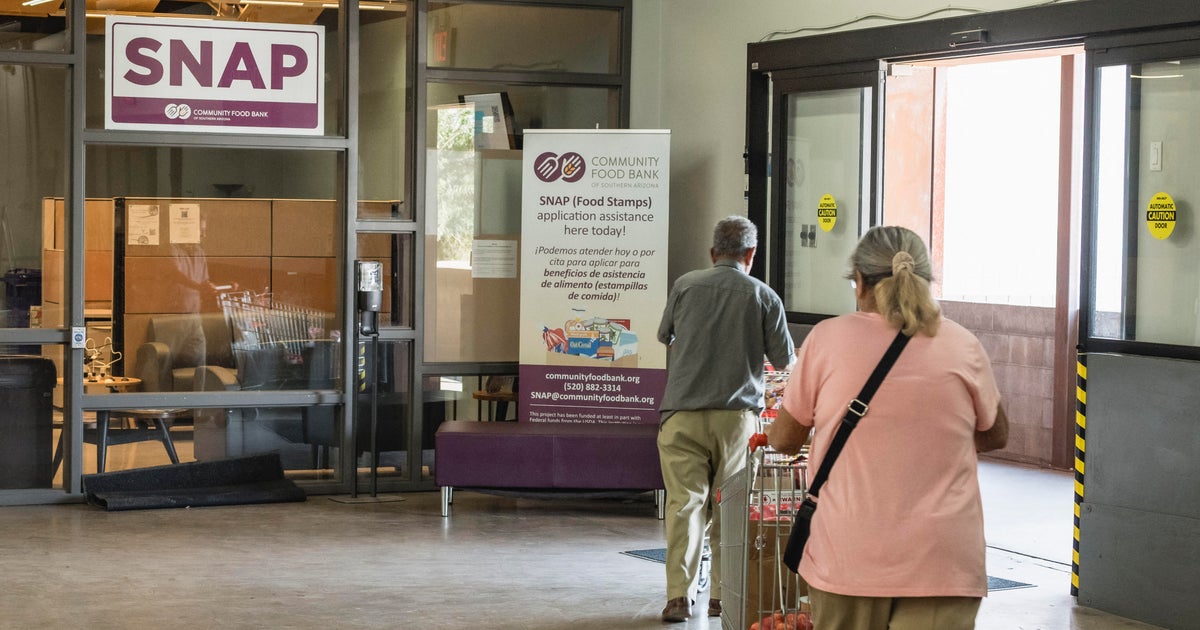
The Trump administration on Tuesday proposed a rule that would tighten eligibility for the Supplemental Nutrition Assistance Program, and the Agriculture Department projects it would shrink enrollment by roughly 17%. Anti-hunger groups immediately denounced it.
The proposal targets what is known as broad-based categorical eligibility, a policy offered by more than 40 states. Under it, households above SNAP's normal income limits can still qualify for food stamps if they receive benefits through Temporary Assistance for Needy Families, or TANF, including non-cash help such as child care assistance or job training. The USDA released the rule to seek public comment. If it is adopted, it would take effect in 2029.
White House spokeswoman Allison Schuster said the administration wants SNAP to serve only "eligible Americans who need it most." "Rather than throwing money at a broken system, the Trump Administration will continue to stop fraudsters stealing from these important programs," she told CBS News by email. A USDA spokesperson said the policy "has bloated the welfare rolls for decades." In the text of the rule, the department argued that under current standards even a household with $1 million in wealth but no income could technically receive food stamps.
Critics said the cuts would push more families into hunger. Ty Jones Cox of the Center on Budget and Policy Priorities, a nonpartisan think tank, said the administration was ignoring the public mood after the midterms. "Instead of listening to the public sentiment on affordability following the election, the administration is continuing its attacks on vital food assistance and the families who need help to put food on the table," he said. Rep. Angie Craig of Minnesota, the top Democrat on the House Agriculture Committee, called the proposal "heartless and cruel."
Gina Plata-Nino, SNAP director at the Food Research and Action Center, noted that Congress authorized the longstanding policy and that it makes SNAP easier to reach and cheaper for states to run. "Basically, what the administration is doing is continuing on this path of making sure that SNAP is dismantled," she said, adding that states already have too much on their plate.
The rule is the latest in a string of changes. The "One Big Beautiful Bill," enacted in July 2025, expanded SNAP's work requirements, and as of Oct. 1 states must cover a larger share of the cost of administering the program. USDA figures show more than 5 million Americans have lost access to food stamps since the law passed. Food insecurity has also risen since the pandemic, according to research from the Federal Reserve Bank of New York earlier this year.
This is not the first time the idea has surfaced. The first Trump administration made a similar proposal in 2019, and the Biden administration withdrew it two years later. The new version is now open for public comment, and Democrats, who take control of the Senate in January and have already won the House, are expected to press the issue.