22 States Move to Ban Soda and Candy From SNAP Benefits as MAHA Initiative Gains Momentum
Texas leads with the largest state restriction yet, effective October 1 pending a federal waiver that the Trump administration has signaled it will grant.

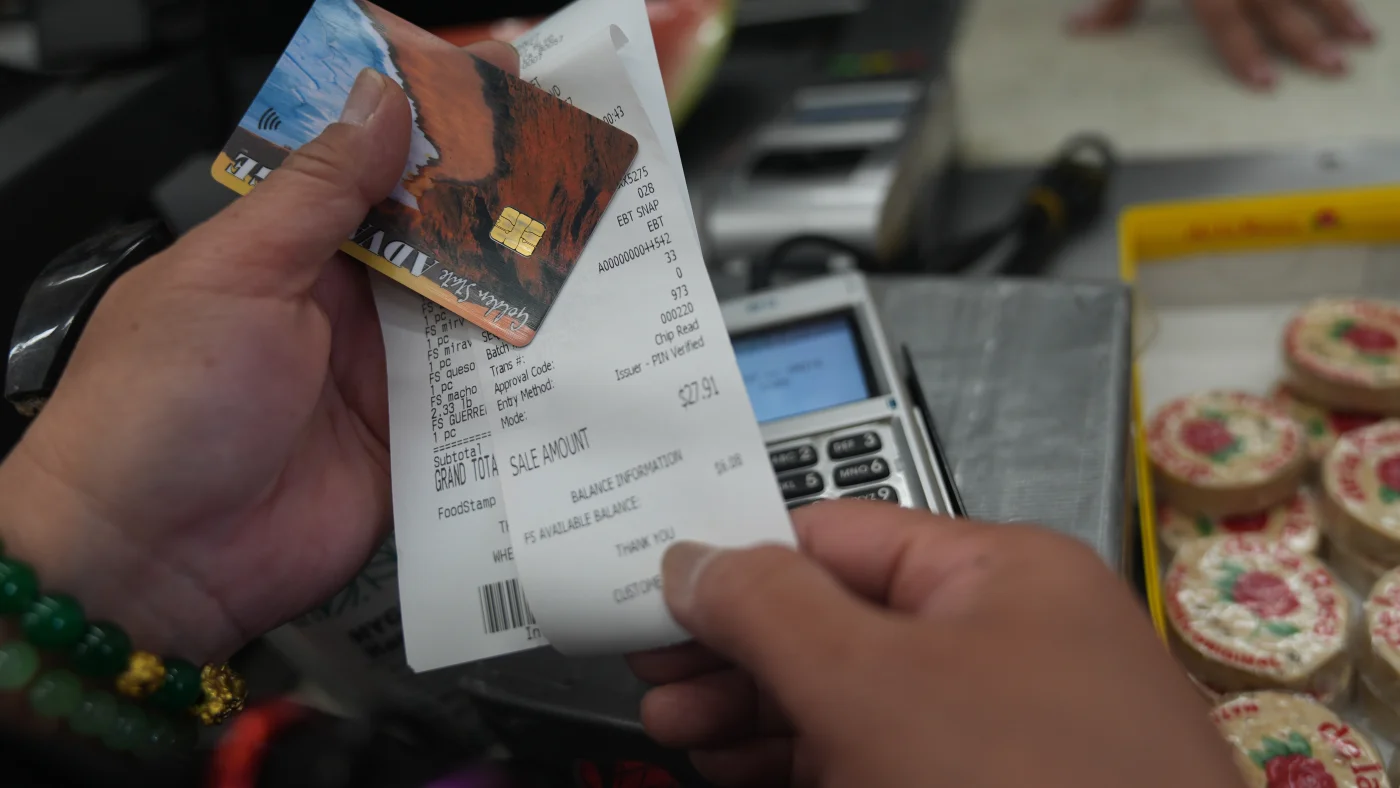
Twenty-two states have now enacted or passed legislation restricting the purchase of soda, candy, and other items classified as foods of minimal nutritional value using Supplemental Nutrition Assistance Program benefits, following a wave of state-level action that accelerated after the Trump administration signaled it would grant federal waivers enabling the restrictions under the SNAP program's existing authority.
The push, which advocates frame as part of the broader Make America Healthy Again initiative championed by Health and Human Services Secretary Robert F. Kennedy Jr., represents the most significant potential change to the SNAP program's purchasing rules since the Food Stamp Act was first enacted in 1964. SNAP currently serves approximately 42 million Americans and distributes roughly $100 billion annually in food benefits, with no current federal restrictions on the purchase of soda, candy, chips, or other items beyond a general prohibition on alcohol, tobacco, and hot prepared foods.
Texas, which passed legislation in March, is the largest state to join the movement. The Texas law, which takes effect October 1 pending federal waiver approval, prohibits the use of SNAP benefits to purchase beverages with added sugar above 25 grams per 12-ounce serving and candy and confections with no significant nutritional content. Arkansas, Mississippi, Indiana, and West Virginia enacted similar legislation in the same legislative session. An additional seventeen states have passed resolutions or submitted formal federal waiver requests without yet enacting state statutes.
Critics of the restrictions, including anti-hunger advocates and food retailers, argue the restrictions are administratively complex, stigmatizing to program participants, and unlikely to improve health outcomes. The Food Research and Action Center has estimated that implementing the restrictions at the point of sale would require either reprogramming millions of EBT card readers and updating product databases or hiring additional verification staff, at a cost that could exceed $2 billion in implementation expenses nationally.
"The people who are hardest to feed are the ones who will be hurt most by restrictions that limit their options without adding purchasing power," said Luis Guardia, president of the Food Research and Action Center. "If the goal is nutrition, the evidence points to incentives — programs that make healthier food cheaper — not restrictions that make program participants feel policed at the checkout line."
Proponents counter that federal nutrition programs should not subsidize products that health researchers have linked to obesity, type 2 diabetes, and cardiovascular disease — conditions that disproportionately affect low-income Americans and drive significant Medicaid costs. Kennedy's HHS has framed the SNAP restrictions as consistent with the administration's broader push to reduce ultra-processed food consumption, which Kennedy has highlighted as a central focus of his tenure.
The USDA's Food and Nutrition Service, which administers SNAP, has historically resisted state waiver requests for purchasing restrictions, denying similar requests from Florida and New York in prior administrations. The current administration has not yet formally approved any state waiver but has signaled receptivity to the Texas request through informal communications, according to state officials. A formal waiver decision requires a 90-day comment period and is expected by late summer.