Powell Holds Rates Steady at 3.5%-3.75% in His Final Fed Meeting, Hands Off to Warsh With Inflation Resurging
The third pause this year reflects a central bank squeezed between Trump's tariffs, $4.23-a-gallon gas, and political pressure from a successor headed for confirmation. Powell exits May 15.
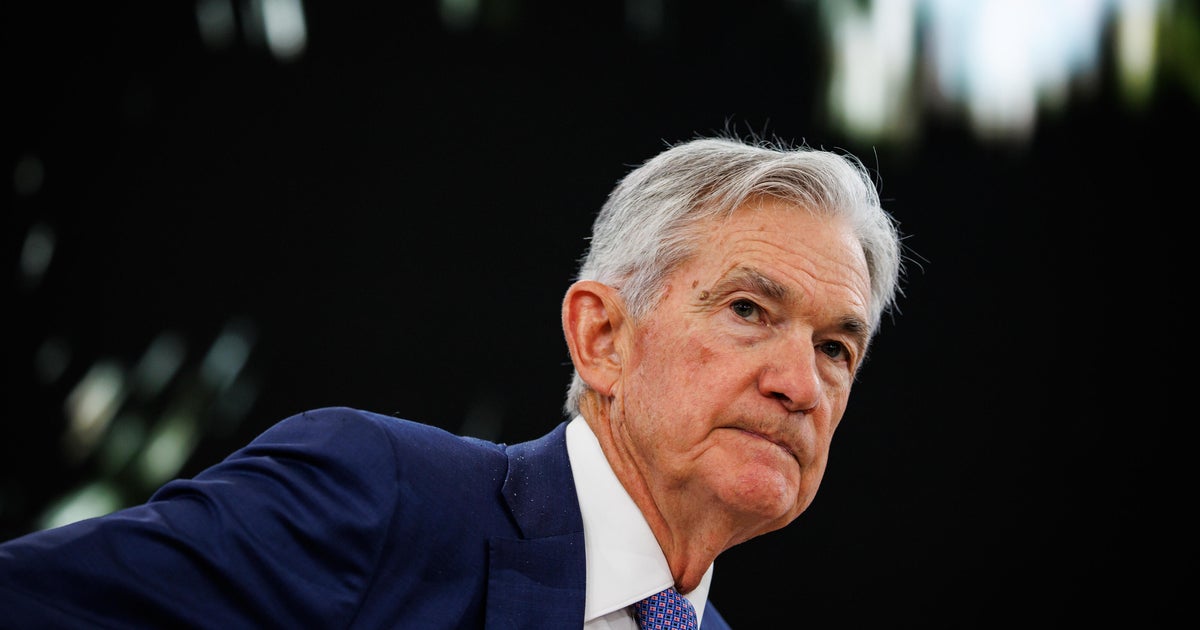
Federal Reserve Chair Jerome Powell delivered what is almost certainly the final monetary policy decision of his eight-year tenure on Wednesday, leading the Federal Open Market Committee to hold the benchmark federal funds rate steady at a target range of 3.5 to 3.75 percent — the third consecutive meeting at which the Fed has refused to move in either direction. The decision, announced at 2 p.m. and accompanied by a brief, terse statement, reflects an institution caught between resurgent inflation, mounting political pressure from the White House, and a transition of power that all but everyone in Washington considers a foregone conclusion.
Markets had priced in a near-100 percent probability of no change, and the muted reaction confirmed it: the S&P 500 closed down 0.1 percent, the 10-year Treasury yield slipped four basis points to 4.31 percent, and the dollar held steady against the euro. The committee's statement noted that "uncertainty about the economic outlook has increased" and pointed to "elevated inflation, a labor market that has cooled but remains tight, and conditions in financial markets that warrant continued patience." Officials raised their core PCE inflation projection for 2026 from 2.6 percent to 3.0 percent, citing the impact of the administration's broad tariff regime and the ongoing energy shock from the Iran war.
Powell, in his hour-long news conference, acknowledged for the first time that the cumulative effect of the new tariffs and oil prices is beginning to look "more persistent than transitory" — a pointed reversal of the language he and his colleagues used during the inflation episode of 2021 and 2022. Gas prices have climbed to a national average of $4.23 a gallon, the highest level since August 2022, according to AAA. Core goods inflation, which had been negative through most of 2024, turned positive again in March and accelerated in April. "The Committee is not yet in a position to declare that the disinflationary process has resumed," Powell said. "Patience is the right posture."
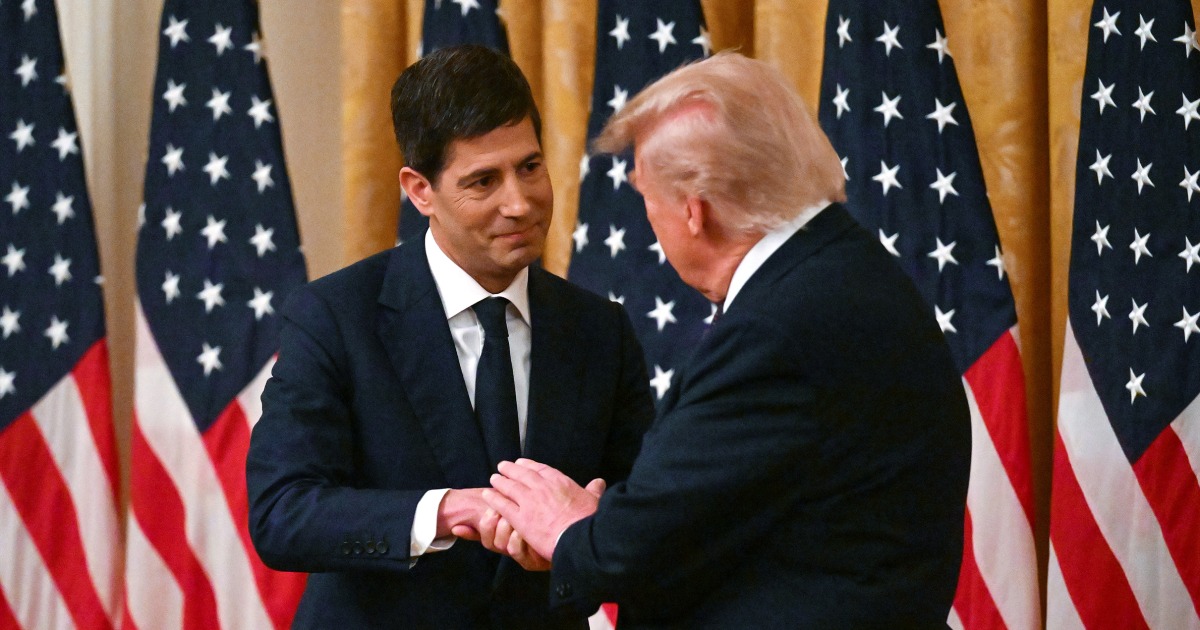
Asked about his successor, former Fed Governor Kevin Warsh, who is expected to be confirmed by the full Senate within the next two weeks following a party-line Banking Committee vote earlier Wednesday, Powell offered the careful diplomacy of an outgoing chair. "I have known Kevin for many years. He is a serious person who understands that the credibility of the institution rests on the independence of its judgment. I wish him well." Warsh, who has spent recent weeks meeting privately with Republican senators and members of the Trump economic team, has signaled he will pursue more aggressive rate cuts than Powell, a position he reiterated in his Senate testimony last month when he promised he would not be "the president's sock puppet" but also rejected what he called Powell's "stubborn" insistence on data dependency.
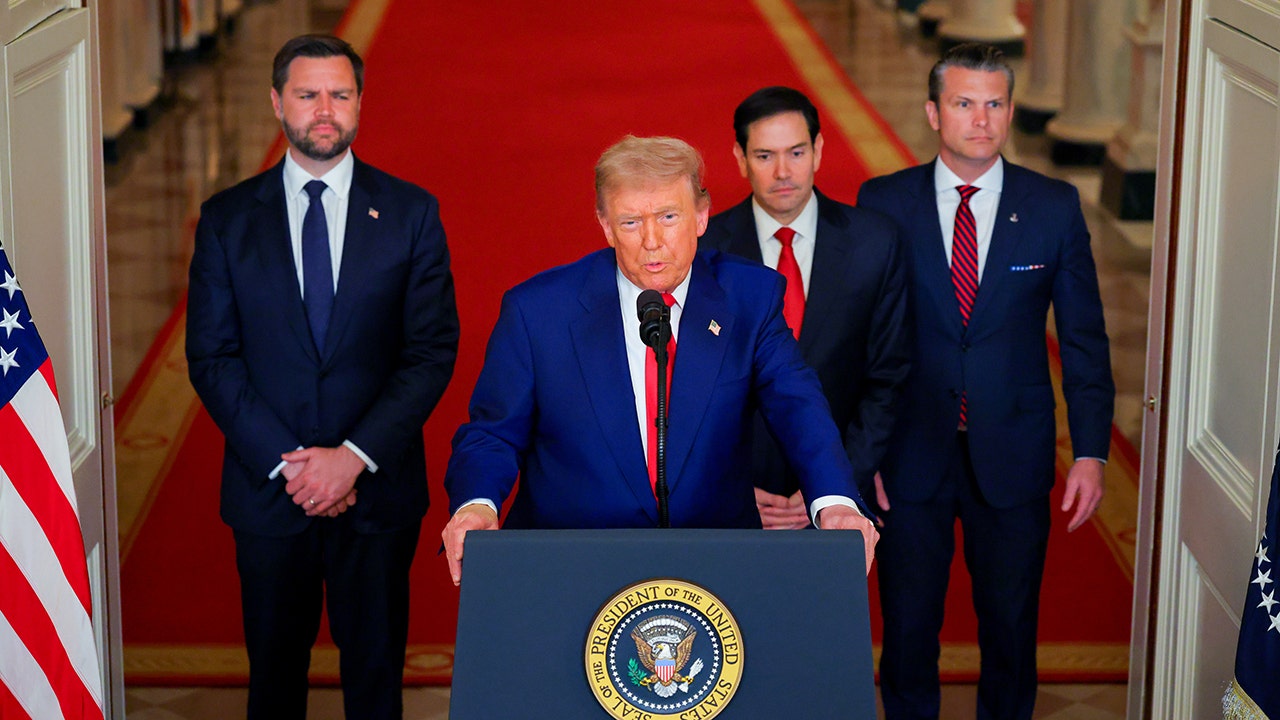
Trump, who has spent more than a year publicly excoriating Powell — at one point in February calling him "a stiff who is killing the economy" — issued a rare measured statement after the meeting, noting only that "the next chair will get rates where they need to be." White House National Economic Council director Stephen Moore went further on CNBC, saying the administration believes the funds rate should be at 2 percent by year-end, a level that Wall Street economists almost universally consider unrealistic given current inflation prints.
The bigger questions after Wednesday concern the Fed itself. Two of the seven Board of Governors seats become vacant in the next year, and Trump is expected to nominate replacements who share Warsh's preference for lower rates. The annual reauthorization of the Fed's emergency lending authorities, set to be reviewed by the new Republican-majority House Financial Services Committee in June, has emerged as a flashpoint over central bank independence. Powell's farewell, in that sense, is also the end of an era in which the Fed's autonomy was treated by both parties as an inviolable norm.
Powell, who turns 73 next year, is widely expected to retire from public life after he leaves the building on May 15, returning to teaching and to the boards of nonprofit organizations. In his closing remarks Wednesday he thanked staff at the Fed and the regional reserve banks, and said only, "It has been the honor of my professional life to do this work."