ICE Reports Record Deportations and Arrests as Trump Admits His Crackdown Was 'Too Tough'
The agency says it removed more people in fiscal 2026 than in any year in its history, even as the president tells 60 Minutes he is open to immigration legislation with Democrats.
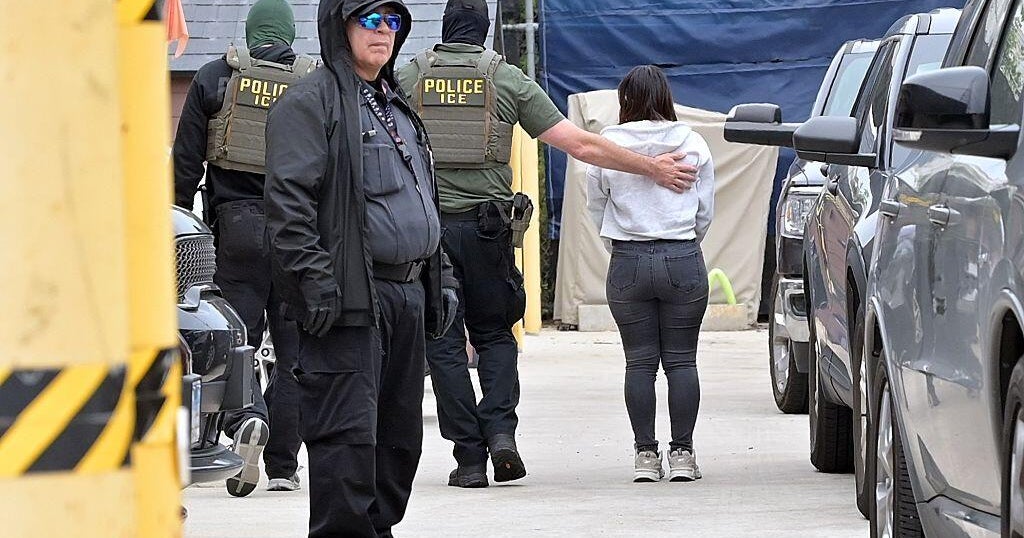
Immigration and Customs Enforcement carried out more deportations in fiscal year 2026 than in any year in its history, the Department of Homeland Security said Thursday, surpassing the previous record of 442,640 set in fiscal 2025. ICE also reported more than 491,000 immigration arrests in the year ending Sept. 30, including nearly 475,000 administrative arrests, which are made for civil violations rather than criminal charges. That figure is also a record, according to DHS.
DHS said the new deportation total is about 18% higher than the 409,849 removals ICE recorded in fiscal 2012 under President Obama, long the agency's benchmark, and nearly 78% higher than the 271,484 deportations in fiscal 2024, the last full year under President Biden. ICE made 50,925 arrests in August alone, a monthly high, and was still making more than 48,000 a month in September.
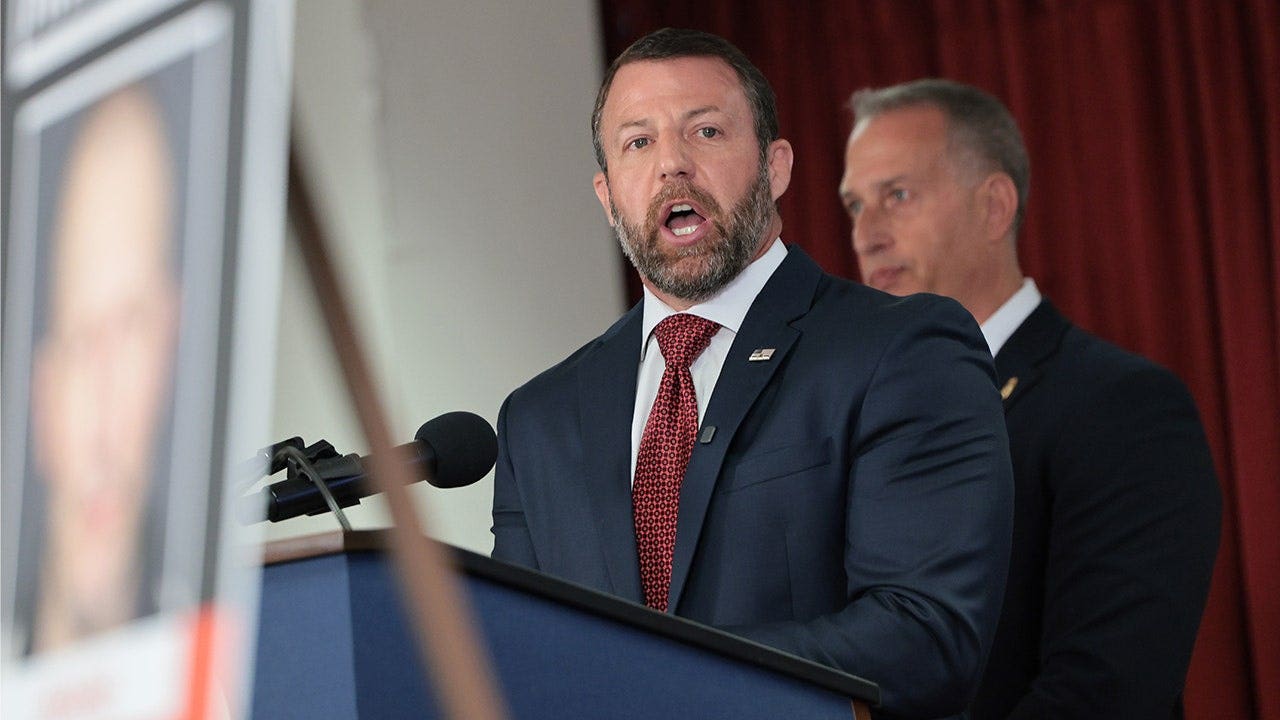
"I couldn't be prouder of the brave men and women of ICE, who just broke more historic records," DHS Secretary Markwayne Mullin said in a statement. He said ICE arrests in fiscal 2026 exceeded those of all three full fiscal years under Biden combined.
The numbers come with caveats. ICE's figures do not include governmentwide statistics, which add actions by Customs and Border Protection and distinguish between formal removals and voluntary returns. By broader measures, nationwide deportations were higher during parts of the early 2000s. A new analysis from Syracuse University's Transactional Records Access Clearinghouse found that formal removals made up just 63% of deportations in July and August 2026, with the rest being voluntary departures and returns.
The Migration Policy Institute found that only about 20% of roughly 980,000 deportations carried out by ICE and CBP between January 2025 and July 2026 involved someone with a criminal conviction. Among deportees who had lived in the United States for at least two years, 71% had no criminal conviction. DHS has pointed to individual cases of people charged with or convicted of serious crimes, but federal authorities have not publicly provided comprehensive evidence about how many arrested immigrants without U.S. criminal records have committed crimes abroad.
The record arrives at an awkward political moment. Days after Republicans lost more than 40 House seats in the midterms, Mr. Trump told 60 Minutes correspondent Ross Douthat that his immigration enforcement was "too tough" in some cases. He said the administration earned high marks for securing the border and removing dangerous criminals but drew criticism for deporting longtime immigrants who held jobs in industries like landscaping and hospitality and in some cases paid taxes. He also said he was interested in working with congressional Democrats on immigration legislation, a notable shift for a president who built much of his political identity on mass deportations.
Even so, ICE officials have recently been told to aim for about 19,000 arrests per week, sources familiar with the agency's planning told CBS News, a target set before the midterms and well above its historical pace. Democrats, who will control both chambers of Congress in January, are preparing more scrutiny of enforcement tactics, but their leverage is limited by the billions already appropriated to ICE and by the president's veto power.