Judge Blocks Trump's Fines of Up to $1.8 Million on Migrants Who Stay After Deportation
Judge George O'Toole in Boston ruled that DHS imposed the penalties unlawfully, using boilerplate forms and skipping public comment. The agency says it has issued more than 103,000 fines.
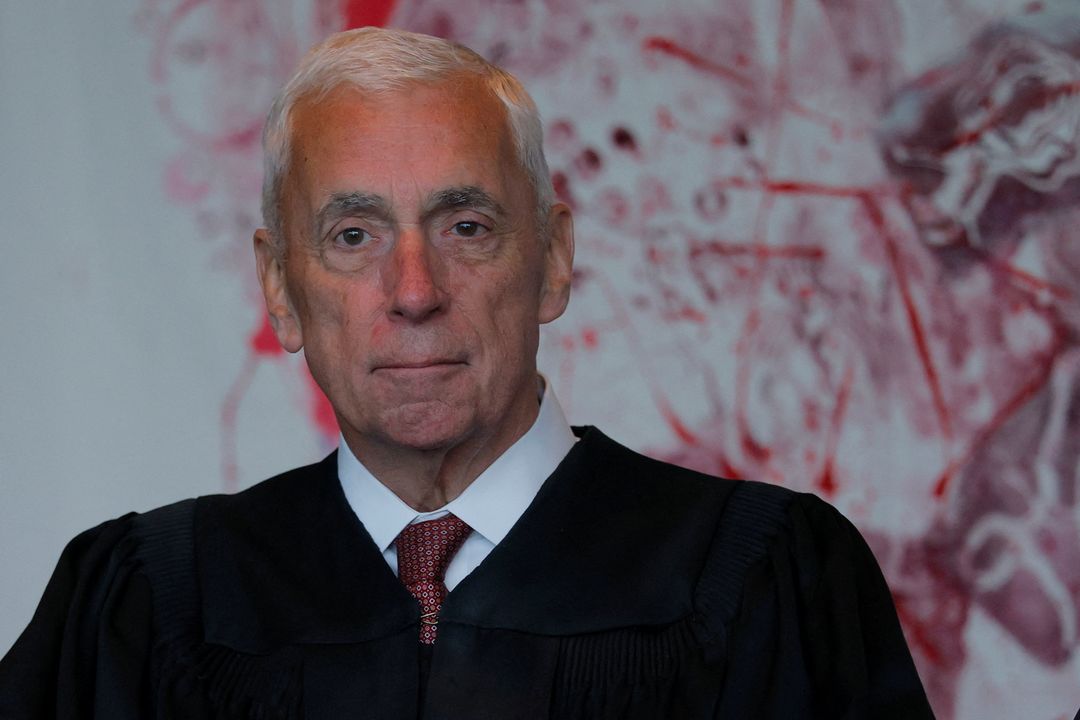
A federal judge in Boston on Monday blocked the Trump administration from imposing fines of up to $1.8 million on migrants who fail to leave the United States after receiving final deportation orders, ruling that the Department of Homeland Security carried out the penalties unlawfully.
U.S. District Judge George O'Toole issued the ruling in a class-action lawsuit filed last year by two migrants who were assessed penalties, along with the Immigrant Legal Resource Center. He found that the government violated the Administrative Procedure Act, the federal law that governs how agencies make and apply rules.
Starting last year, DHS began fining migrants $998 for each day they remained after a final removal order, applying the penalties retroactively for up to five years. That adds up to a maximum of roughly $1.8 million per person. By July, the department reported that it had issued more than 103,000 fines amounting to about $84 billion since President Donald Trump returned to office.
O'Toole said Immigration and Customs Enforcement used boilerplate forms that did not explain why an individual's conduct warranted a penalty, and that officers did not independently assess whether a person's failure to leave was willful or voluntary. He also held that the administration skipped required rulemaking procedures when it adopted a streamlined process for imposing fines in July 2025, because it did not give the public a chance to comment first.
The judge also addressed what the fines would mean for those who received them. "The plaintiffs live in an economically precarious position even without the imposition of the government's exorbitant fines," O'Toole wrote.
Congress authorized civil penalties of this kind in a 1996 immigration law, but no administration used them until Trump's first term. The second Trump administration has pursued them far more aggressively, turning an old and rarely used power into a large-scale enforcement tool. Immigrant advocates have argued that the amounts are far beyond what most migrants could ever pay and that the notices often reached people who had pending appeals or who never understood they had been fined.
The ruling does not strike down the underlying authority to fine migrants. Its reasoning rests on how DHS went about it, which leaves open the possibility that the agency could try again with more detailed notices and a formal comment period. The administration can also appeal to the First Circuit.
The decision is the latest in a series of court losses for the administration's immigration enforcement. It arrives as Republicans face questions about enforcement tactics in the closing weeks of the midterm campaign, and it gives immigrant groups a concrete win on a policy that had put tens of thousands of people on the hook for sums they could not repay.