DHS Pays Local Police Up to $2 Million Per Immigration Arrest Under Task Force Program
The Wall Street Journal reports Miami-Dade qualified for $14.5 million after seven arrests, because the payments are tied to deputized officers, not arrests.
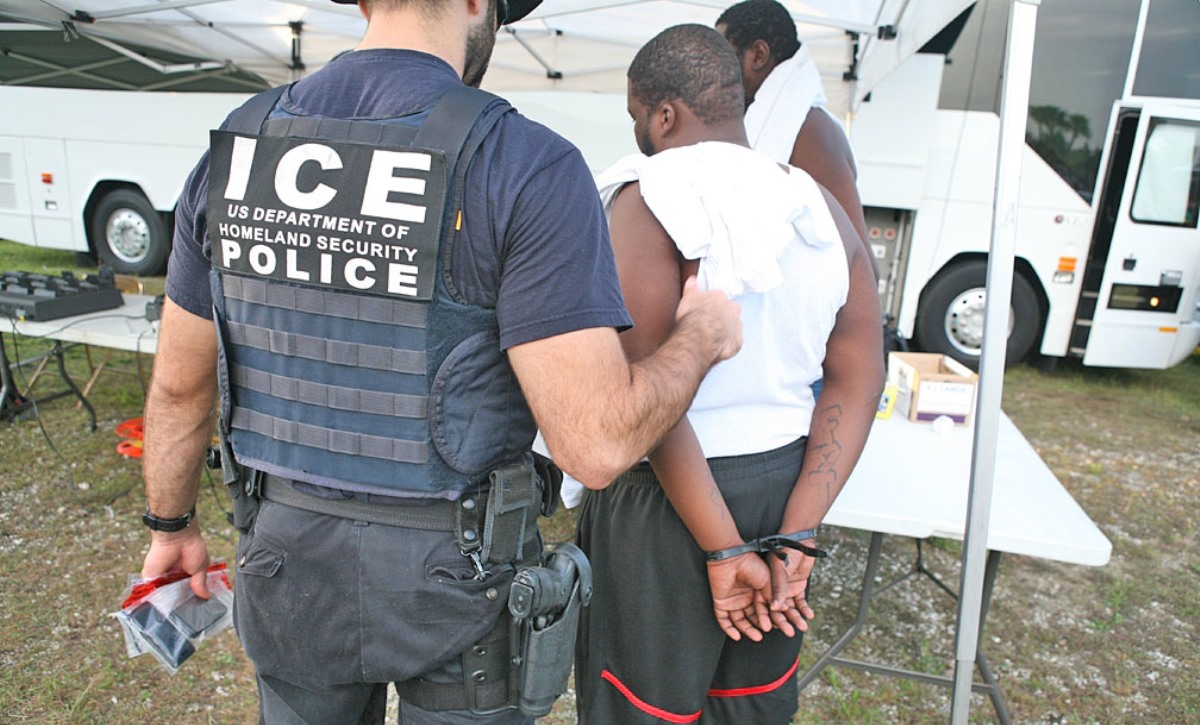
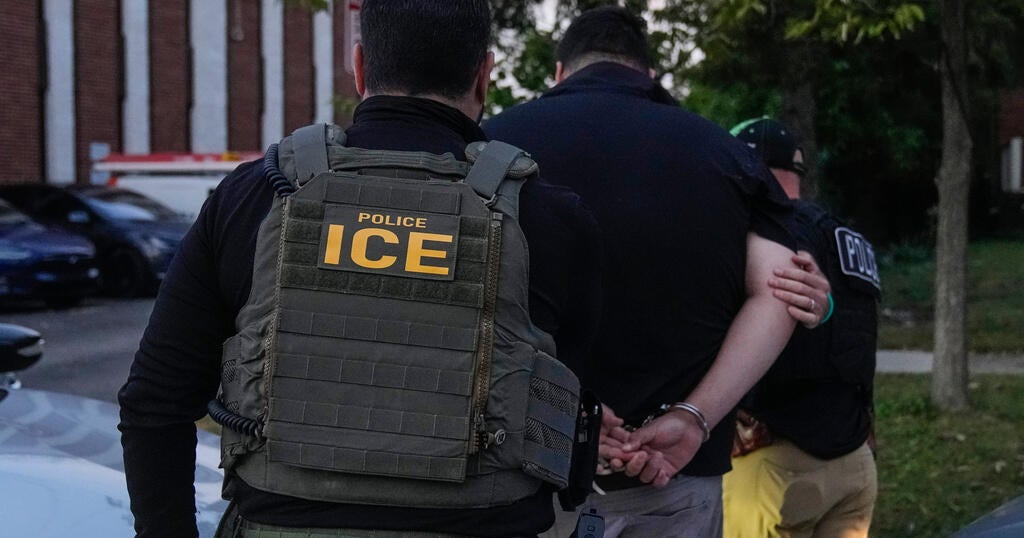
The Department of Homeland Security pays some local police departments as much as $2 million per immigration arrest through a nationwide task force program, The Wall Street Journal reported Friday. The figure is not a bounty written into any contract. It comes from dividing large federal payments by very small arrest counts, and it shows how much money flows to agencies that sign up.
The clearest example is in South Florida. The Miami-Dade Sheriff's Office enrolled more than 970 officers and became eligible for about $14.565 million in federal funds between April and June 2026. In that period it made seven immigration arrests, which works out to roughly $2.08 million each.
The math works because of how the program pays. Departments qualify for $60,000 a year for each deputized officer, according to the reporting, and the money does not depend on how many additional immigration arrests they make once they have started participating. DHS distributed more than $200 million to law enforcement partners from January 2025 through August 1, 2026.
The smaller examples are just as stark. Sheriff Clinton Boring of Doddridge County, West Virginia, signed his office up in February because his department needed new patrol cars and the federal program had money available. In six months his deputies detained two people and the county received more than $137,000. Boring called the decision a "no-brainer" for a rural department in a county of about 7,600 people. Another report said Butler County, Ohio, Sheriff Richard Jones expects the partnership to bring in $20 million this year, with 44 deputies trained in ICE procedures.
Roughly 2,000 state and local law enforcement agencies now have agreements that allow them to take part in immigration enforcement. The Marshall Project has documented that immigration arrests more than doubled in 15 states, and ICE reported nearly 51,000 arrests nationwide in August 2026, a monthly record at that point. Florida, Georgia and Texas require all of their state and county police agencies to participate.
Critics say the structure rewards enrollment rather than results, and turns local policing budgets into a stream of federal money that can be used for equipment and salaries. The Journal's reporting also says DHS requires participating departments to stay quiet about their arrest numbers and payment amounts, which makes it hard for local officials and residents to see what taxpayers are getting for the money.
Supporters of the program argue that deputizing local officers multiplies the reach of federal agents and gets people with criminal records off the street faster. The administration has made mass deportation a central goal, and the task force model is one of its main tools for scaling up.
The program traces back to 1996 and was wound down in 2012 before the administration revived it and expanded it. DHS has not publicly disputed the payment figures. The calculation the Journal highlights is a measure of cost per arrest rather than an accounting of how any department spends its money, but it raises an obvious question for Congress and for county budget committees: whether the incentive is tied to the work it is supposed to pay for.