Supreme Court Agrees to Decide If Trump Can Ban Asylum Claims at the Border
The justices will hear the administration's appeal of two lower-court losses, with a ruling due before the end of June. The ban stays in effect while the case proceeds.

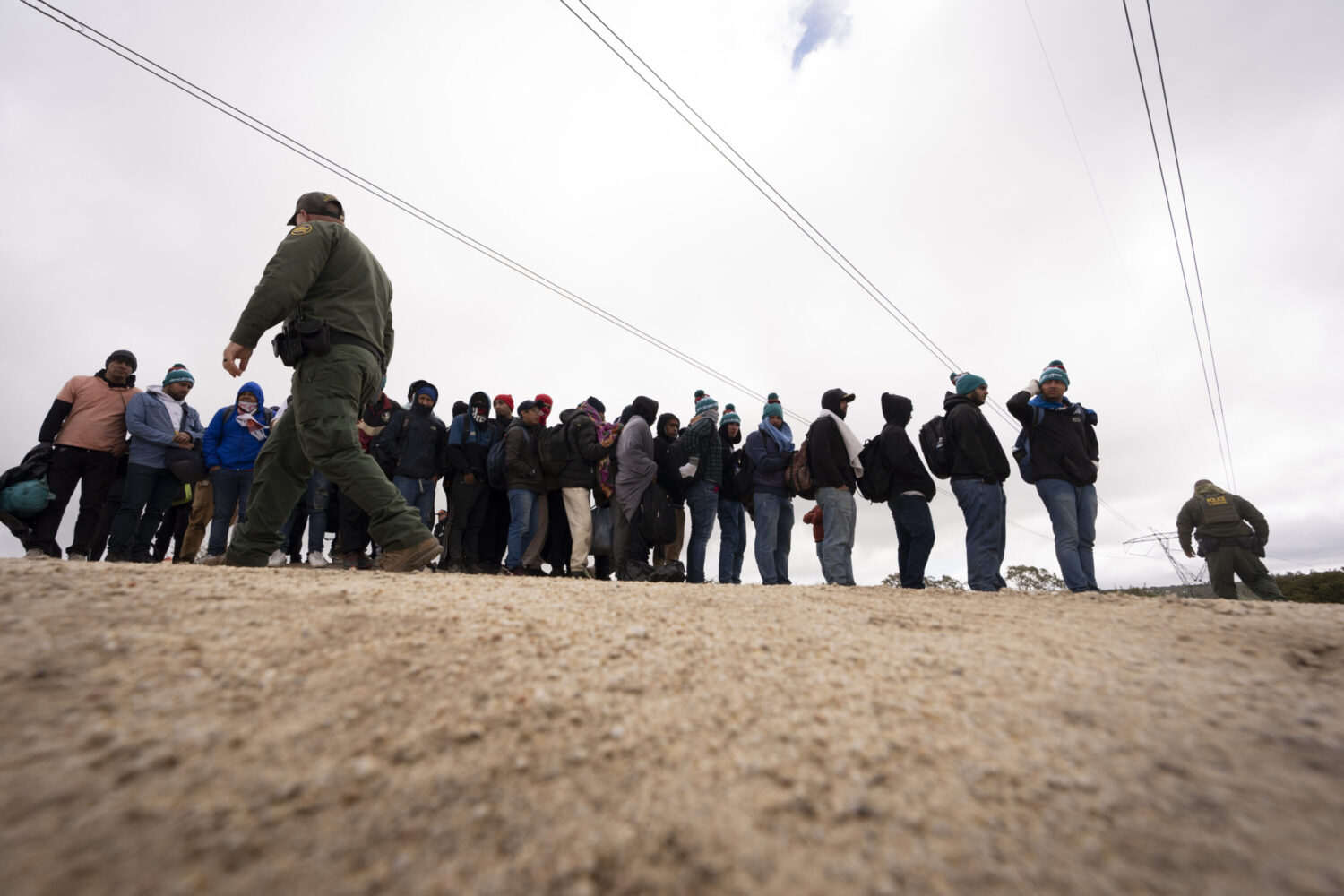
The Supreme Court agreed Friday to decide whether President Donald Trump has the authority to ban migrants who cross the southern border from asking for asylum, taking up one of the most consequential immigration fights of his second term. The justices will hear the case this term, and a ruling is expected before the end of June.
The dispute grows out of a proclamation Trump issued on Jan. 20, 2025, declaring an "invasion" at the southern border. One provision of the order says people who cross without the required paperwork can be removed immediately, without any chance to claim asylum. That policy remains in effect while the litigation continues, which means the Court's decision to take the case does not by itself restore asylum access at the border.
The administration has already lost twice. In July 2025, U.S. District Judge Randolph Moss in Washington ruled against the government, writing that nothing in the Constitution or immigration law "grants the president ... authority to replace the comprehensive rules and procedures set forth in the INA," the Immigration and Nationality Act. In April of this year, the U.S. Court of Appeals for the D.C. Circuit upheld Moss's ruling. The administration then asked the Supreme Court to step in.
Solicitor General D. John Sauer argued in the government's filing that the president has sweeping authority to keep people out of the country, drawing on specific immigration statutes and on the Constitution. He wrote that the policy "rests on a commonsense understanding of the President's inherent and delegated powers to exclude aliens."
The challengers are 13 unnamed plaintiffs and three immigration groups: the Refugee and Immigrant Center for Education and Legal Services, the Las Americas Immigrant Advocacy Center and the Florence Immigrant & Refugee Rights Project. Their lawyers, from the American Civil Liberties Union, say the ban collides with the asylum process Congress wrote into the INA. They told the Court the president "may not invent by fiat a new removal system that eviscerates the protections Congress mandated by statute."
The case lands on a crowded immigration docket. The justices are also weighing the administration's deportations of people to "third countries" where they have no prior connection, as well as its push to hold thousands of people in deportation proceedings in detention indefinitely. A related ruling in June favored the president's authority over the border. Also in June, the Court blocked Trump's executive order seeking to limit birthright citizenship, a reminder that the Court has handed the administration both wins and losses on immigration.
At its core, the question is who controls the rules for seeking refuge in the United States: Congress, which set out a detailed asylum system in statute, or a president who says an invasion gives him power to override it. However the justices answer, the decision will shape border enforcement for years and will matter well beyond this administration.