Supreme Court Appears Ready to Restore Trump's Border Asylum Restrictions
Conservative justices signal support for administration's request to reinstate policy that turns back asylum seekers at the border.

The Supreme Court appeared poised on Tuesday to reinstate the Trump administration's policy of turning back asylum seekers at the southern border, with conservative justices expressing skepticism toward the lower court ruling that had blocked the measure. The oral arguments suggested the court's six-member conservative majority was broadly sympathetic to the government's position.
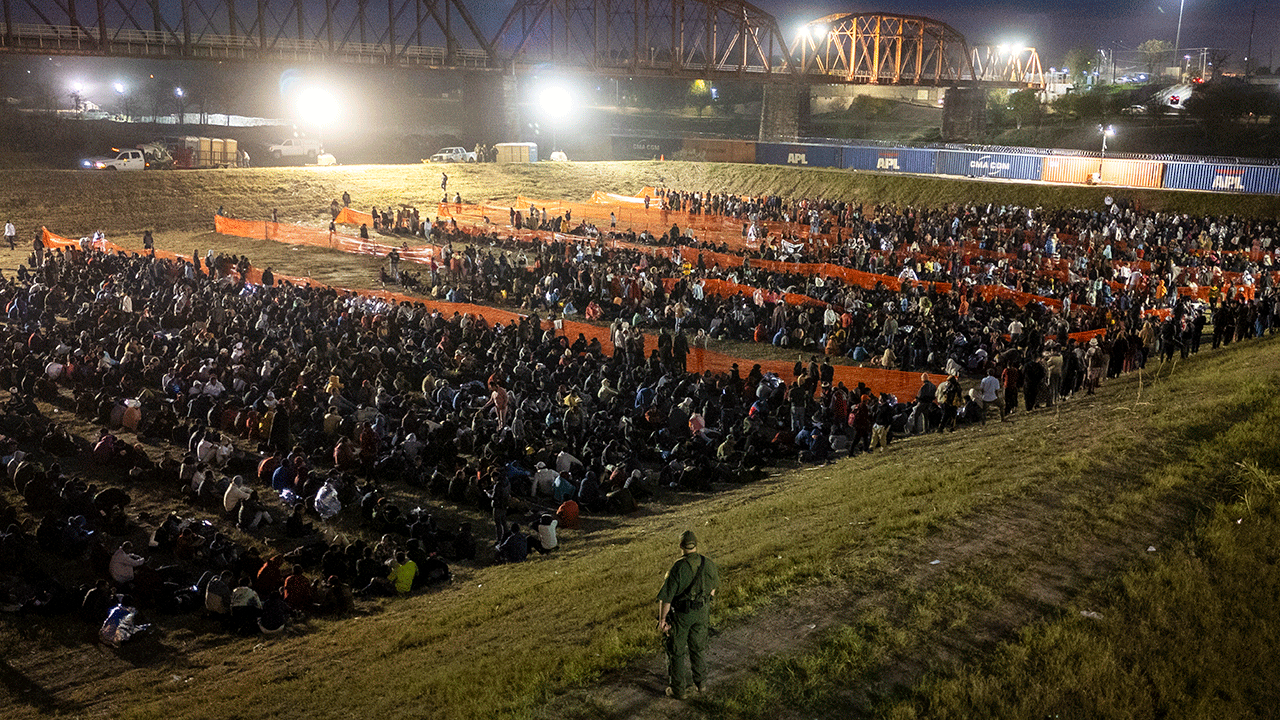
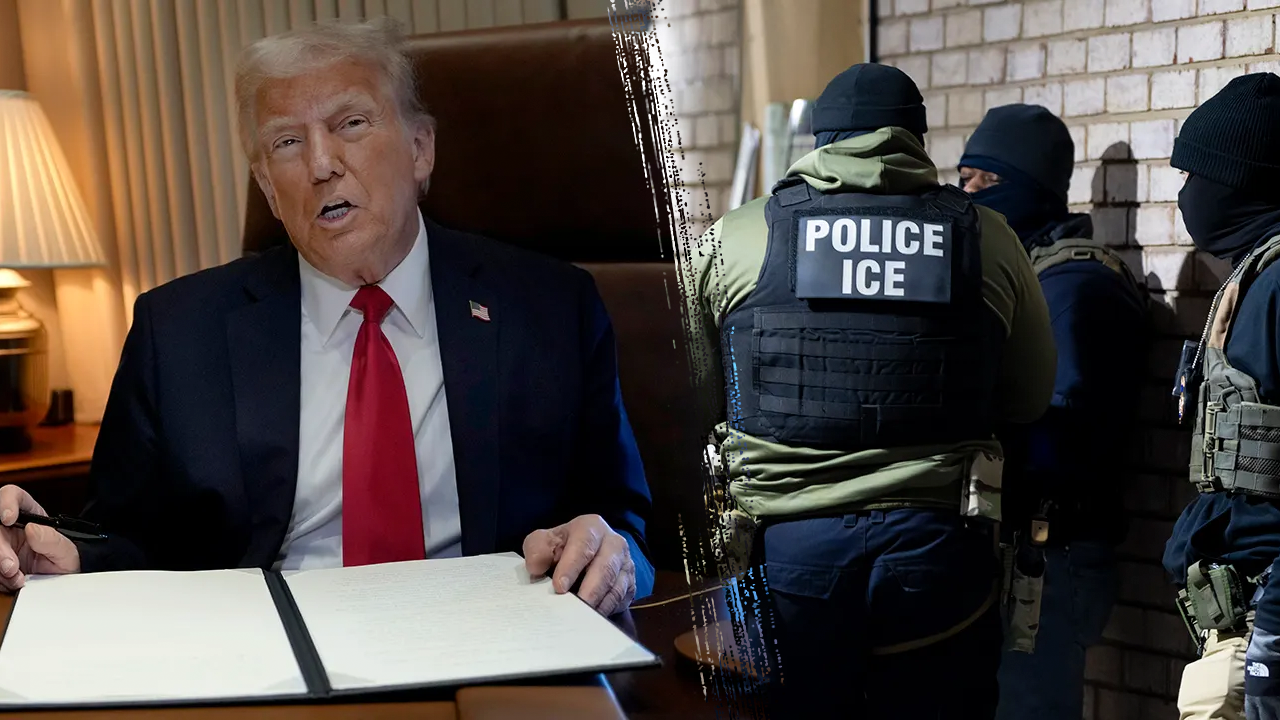
The case centers on a policy implemented by executive order in January that effectively bars most migrants from requesting asylum at ports of entry along the U.S.-Mexico border. Under the policy, border agents are directed to turn back individuals seeking asylum unless they can demonstrate they face an immediate threat to their life and have been denied protection in every country they transited on their way to the United States.
A federal district judge in California blocked the policy in February, finding that it likely violated the Immigration and Nationality Act, which guarantees any person arriving at the border the right to apply for asylum regardless of how they arrived. The Ninth Circuit Court of Appeals upheld the injunction, prompting the administration to seek emergency relief from the Supreme Court.
Solicitor General D. John Sauer argued that the president had broad authority to manage the border and that the policy was a reasonable response to what the administration characterized as an ongoing crisis. He told the justices that the asylum system had been overwhelmed by claims that could take years to adjudicate and that the policy was necessary to restore order.
Chief Justice John Roberts and Justice Brett Kavanaugh both asked questions that appeared sympathetic to the government's position, focusing on the practical challenges of processing large numbers of asylum claims. Justice Amy Coney Barrett asked whether the policy could be narrowed to address the lower court's concerns while still achieving the administration's goals.
The liberal justices pushed back forcefully. Justice Sonia Sotomayor said the policy appeared to flatly contradict the text of the immigration statute, which she read aloud from the bench. Justice Ketanji Brown Jackson questioned whether the administration's characterization of a border crisis justified effectively suspending a statutory right.
Immigration advocates who attended the arguments said they came away pessimistic about the outcome. Several attorneys who have been litigating challenges to the policy said the tenor of the questioning suggested the court would likely side with the administration, at least on the question of whether the policy could remain in effect while litigation continued.
The case has significant implications for immigration policy. If the court allows the policy to stand, it would effectively give the executive branch the power to restrict asylum access through executive action without congressional authorization. Immigration law scholars said such a ruling would represent a significant expansion of presidential authority over immigration.
Human rights organizations have documented instances of individuals with credible asylum claims being turned away under the policy, including people fleeing political persecution and domestic violence. The United Nations High Commissioner for Refugees has expressed concern that the policy may violate international obligations.
A decision is expected before the end of the current term in June, though the court could issue an emergency ruling sooner given the ongoing nature of the policy dispute. The administration has asked the court to act quickly, arguing that each day the injunction remains in place undermines border security.