Refugees and Asylees Lose Medicaid Today Under Trump's Budget Law, Including Roughly 177,000 in Florida
Section 71109 of the 'One Big Beautiful Bill' narrows which legal immigrants qualify for federally funded coverage as of October 1.
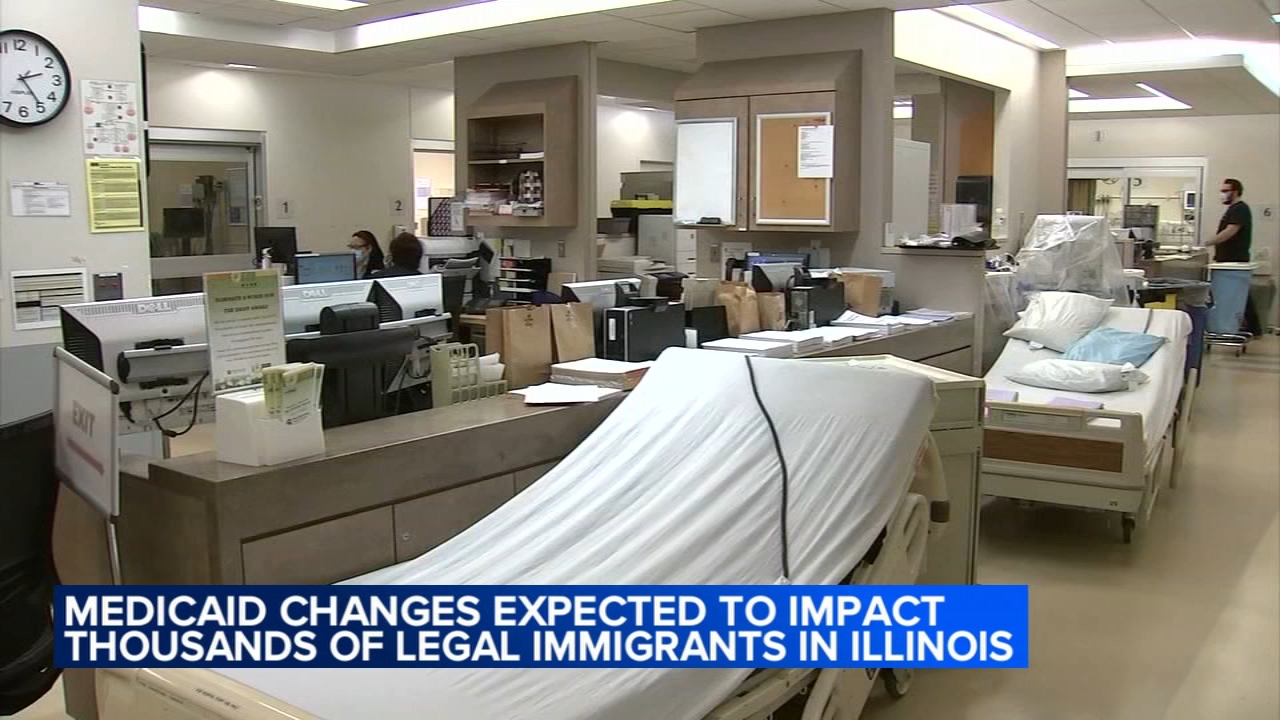
Refugees, asylum seekers and some other immigrants with legal status lose their Medicaid coverage on Thursday, October 1, under a provision of President Donald Trump's signature budget law. State officials around the country have been warning for weeks that thousands of people will be dropped from the rolls.
The change comes from Section 71109 of the One Big Beautiful Bill Act, known as H.R. 1, which Trump signed on July 4, 2025. It narrows which noncitizens qualify for federally funded Medicaid. The groups losing eligibility include refugees who do not yet have a green card, people granted asylum, and people paroled into the country for at least a year.
Federal Medicaid funds will now cover only U.S. citizens and nationals, green card holders, Cuban and Haitian entrants, and citizens of the Marshall Islands, Micronesia and Palau. That leaves out many people who were admitted legally, often after fleeing war or persecution, and who have not yet reached the point of getting permanent residency.
The scale differs state by state. Approximately 177,000 immigrants in Florida may lose coverage starting October 1. In Illinois, about 9,300 people statewide are affected, including Ukrainian refugees. More than 1,000 immigrants in Maine are losing Medicaid, and thousands of refugees and asylees in Pennsylvania and Virginia are also affected. Tennessee says refugees and asylum seekers will lose TennCare, and the state is weighing ending prenatal care for immigrants.
Health care advocates say the loss of coverage will hit people with chronic conditions and pregnant women hardest, and that it can lead to more expensive emergency room visits for conditions that routine care would have caught. Supporters of the law say federal health spending should be reserved for citizens and long-term lawful residents and that the change closes eligibility the law's authors considered too broad.
The Medicaid cut lands at a politically charged moment. Trump this week also ordered $500 refund checks for nearly 1 million Obamacare customers ahead of the midterm elections, a measure Democrats have called an attempt to offset the damage from the law's health provisions. Democrats have made the budget law's health cuts central to their midterm message, while Republicans point to the savings.
The provision was written into the budget law more than a year ago, which gave state Medicaid agencies time to prepare. Bloomberg, the Washington Post and local outlets from Maine to Virginia to Illinois all reported on the October 1 date this week, and in several states officials said the number of people losing coverage is still being finalized as they check each case against the new federal categories.
The distinction in the law turns on immigration status rather than how long someone has lived in the country. A refugee admitted legally and working for years can lose coverage if they have not yet been issued a green card, while a green card holder keeps it. Refugees, asylees and parolees who are still waiting for permanent residency are the people the new rule reaches.