Trump Says South Korea Will Invest Up to $200 Billion in U.S. Energy, but Seoul Hedges on Alaska
The package covers eight nuclear reactors, a Texas gas plant for data centers and an Alaska LNG project. South Korea says the $54 billion Alaska piece is not decided.

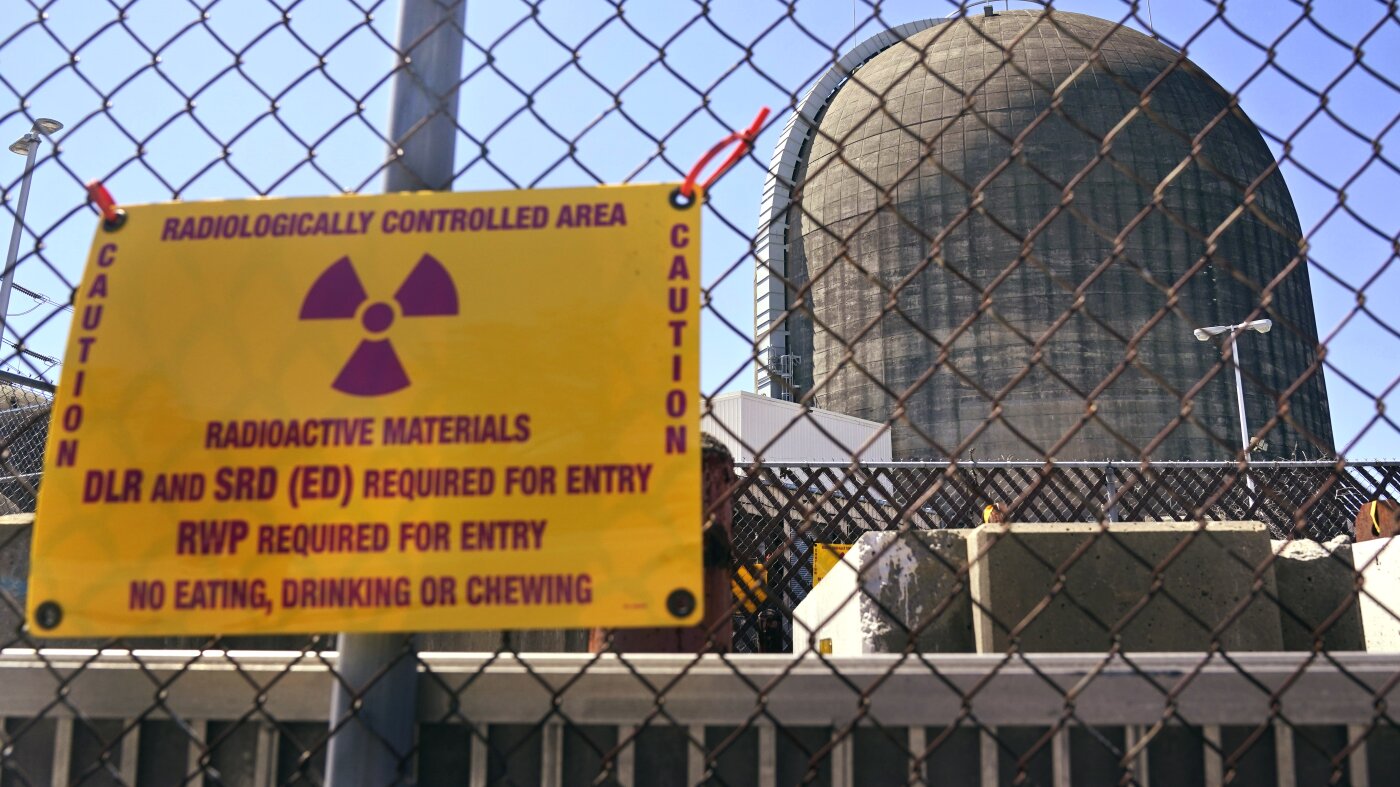
President Donald Trump announced on Wednesday that South Korea will invest up to $200 billion in U.S. energy projects, including a $120 billion nuclear program to build eight reactors, a $54 billion Alaska liquefied natural gas project and a $22 billion gas-fired power plant in Texas.
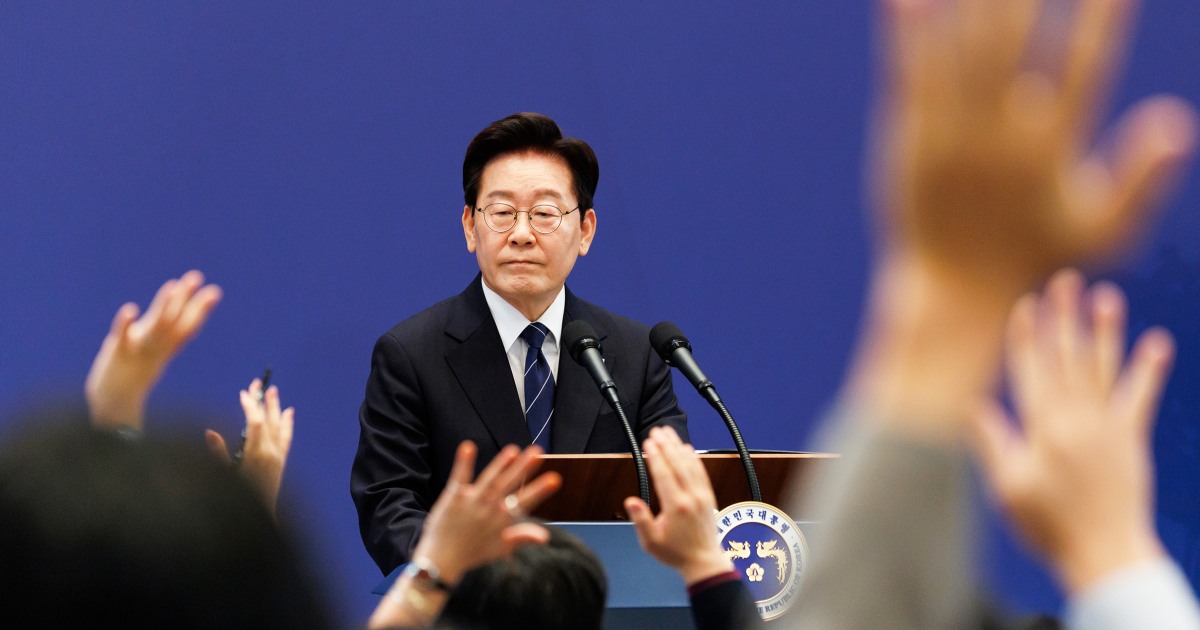
"Thanks to the agreements my administration has secured with the Republic of Korea, they will invest up to $200 billion," Trump said from the Oval Office. The money is the first phase of the $350 billion Korea Strategic Trade and Investment Deal that Trump reached with President Lee Jae-myung last year. That deal also set aside $150 billion for shipbuilding.
The Texas facility in Encinal would have a generating capacity of 6,472 megawatts and would supply electricity to data centers located at the same site. It is expected to be fully operating by 2032, according to the reporting on the announcement.
Seoul was more cautious than the White House. South Korea's industry ministry said energy cooperation is moving forward but that the Alaska project has not been decided. Officials said any construction and funding would depend on meeting commercial viability and legal criteria. The Alaska LNG pipeline has been discussed for years without a final investment decision, and the gap between the president's wording and Seoul's statement is the main open question.
The event had a political edge. Republican Sen. Dan Sullivan of Alaska, who faces a competitive reelection race against Democrat Mary Peltola, attended the White House announcement. The midterm elections are in November, and Trump has been using investment announcements to argue that his tariffs and trade deals are bringing money and jobs home.
Investment pledges of this kind are often expressed as ceilings, not commitments. "Up to $200 billion" describes what could flow over years if projects clear permitting, financing and the other approvals they need, and it does not describe money already spent. Nuclear reactors in particular take a decade or more to build, and the Korea deal's structure leaves the actual project selection to later agreements.
The announcement also bears on the AI buildout. The Texas plant is meant to serve data centers, reflecting the demand for electricity from artificial intelligence that utilities and the administration have both flagged as a strain on the grid. For Seoul, the package is a way to meet the terms of last year's trade deal and keep tariff relief while protecting its own industries from projects that do not make commercial sense.
What happens next depends on the Alaska decision. If South Korea's government concludes the $54 billion LNG project is not commercially viable, the headline figure would shrink, even though the nuclear and Texas components stand on firmer ground.