Where a Nuclear Blast Hits a Lumpy Asteroid Changes Its Deflection Nearly Fivefold
A new model that drops the spherical-asteroid shortcut found deflection speed varied nearly fivefold, and spin by a factor of 17, depending on which face gets hit.
Topic
32 stories from Planck Standard. Latest: November 8, 2026.

A new model that drops the spherical-asteroid shortcut found deflection speed varied nearly fivefold, and spin by a factor of 17, depending on which face gets hit.
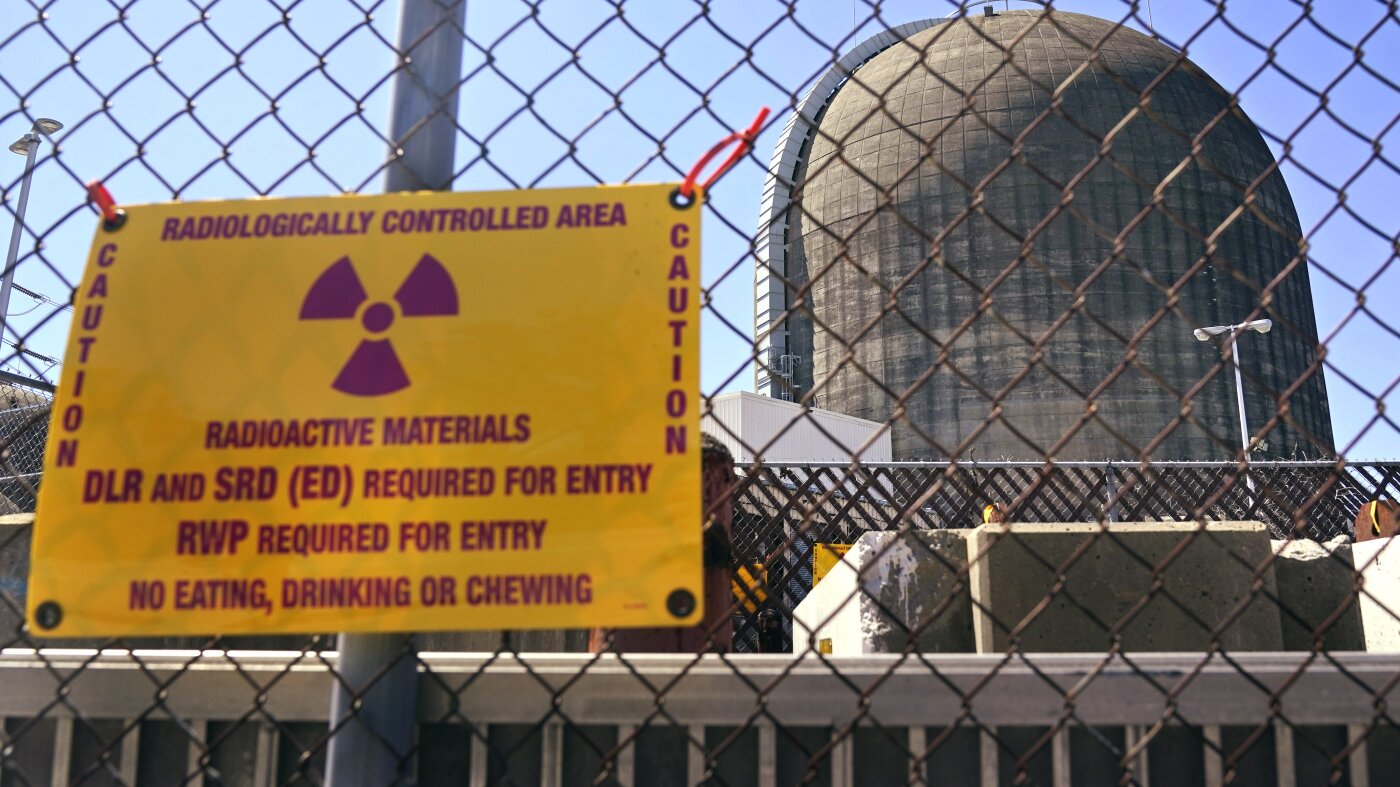
The package covers eight nuclear reactors, a Texas gas plant for data centers and an Alaska LNG project. South Korea says the $54 billion Alaska piece is not decided.

The proposed rule also lets some workers take 10 rem in a year instead of 5. The public comment period closes Aug. 31, and it could take effect early next year.

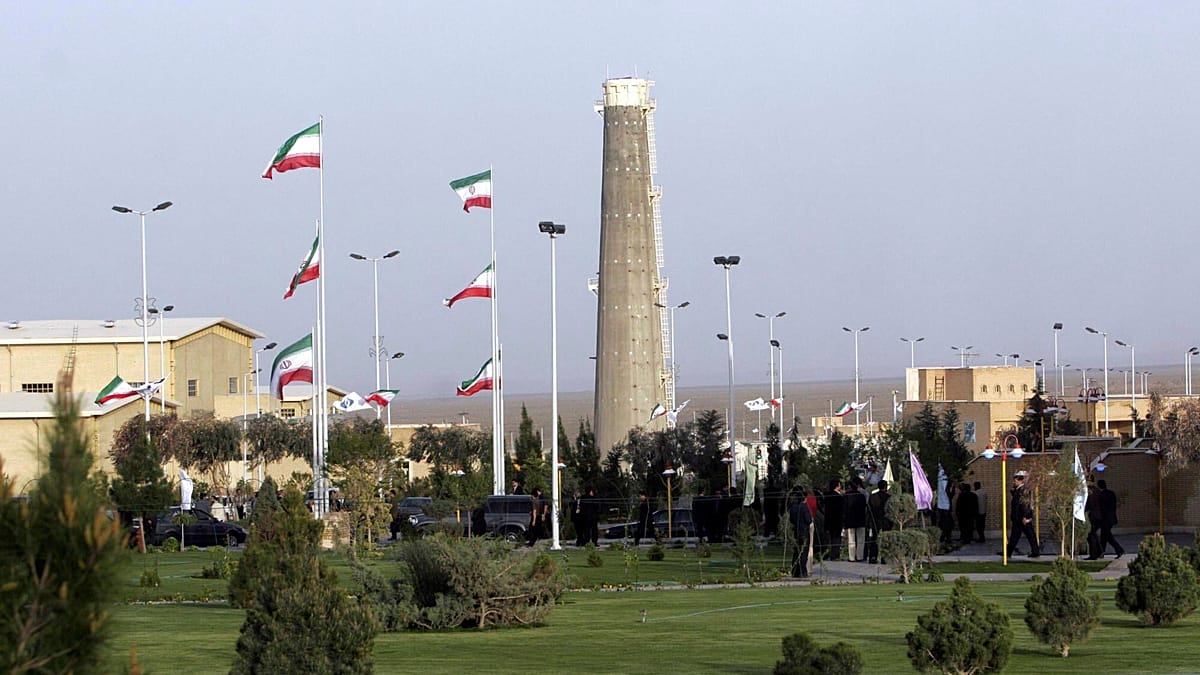
Site 99 holds yellowcake meant for the reactor Israel destroyed in 2007. A US-brokered deal gives everyone until the end of the year to get it out.

The Double Chooz experiment logged about 100 antineutrinos during 17 days when both reactors next door were shut down — the first measurement of its kind, and a possible new tool for catching cheating on nuclear treaties.

The 30-year civilian agreement, signed alongside a sale of F-35 jets, omits the 'gold standard' safeguards barring enrichment — drawing warnings that it hands Riyadh a potential pathway to the bomb even as the U.S. wages war to end Iran's program.
A ransomware group called World Leaks posted blueprints and internal records tied to the Kudankulam Nuclear Power Plant after a breach at a Reliance Group contractor, prompting a national security investigation.
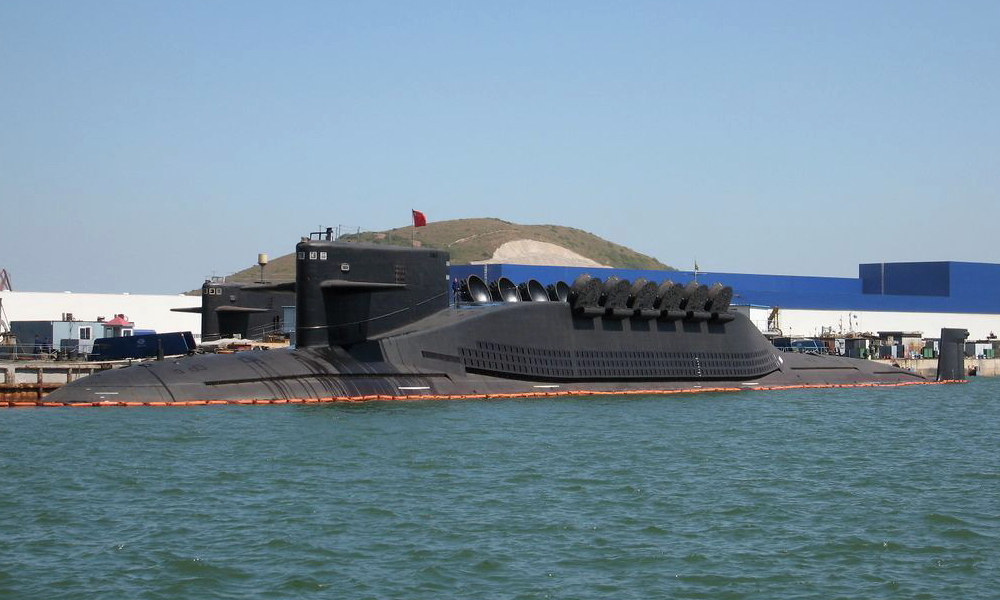
Beijing's first publicly acknowledged strategic SLBM test into open ocean sent a training warhead more than 8,000 kilometers and drew sharp protests from Washington, Tokyo, Canberra and Wellington.
WatchWashington temporarily cleared the way for Tehran to sell crude in dollars for the first time in decades, but Iran flatly denied Vice President JD Vance's claim that U.N. nuclear inspectors are headed back in.
President Trump and Iranian President Masoud Pezeshkian signed a memorandum of understanding that reopens the world's most vital oil chokepoint, lifts U.S. sanctions and starts a 60-day clock to settle the fate of Tehran's nuclear program.

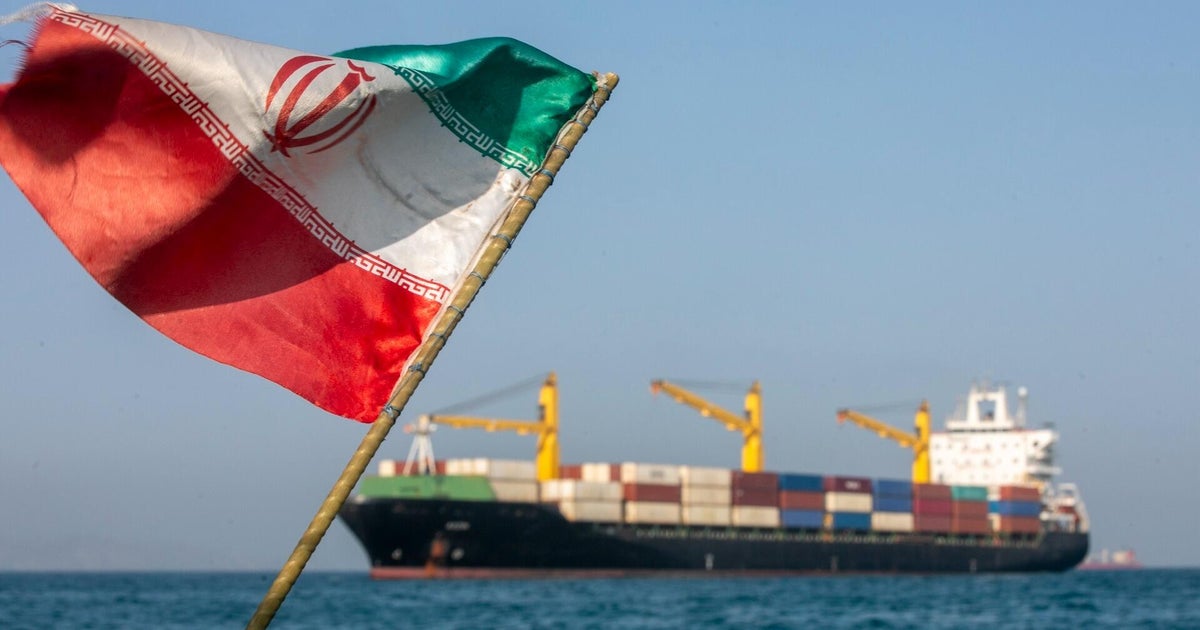
The 60-day deal opens the Strait of Hormuz and lifts naval blockade, but leaves thorny nuclear issues unresolved for future negotiations.

Negotiations between Washington and Tehran have reached a critical stage, with diplomats outlining potential paths forward on Iran's nuclear program amid ongoing regional tensions.

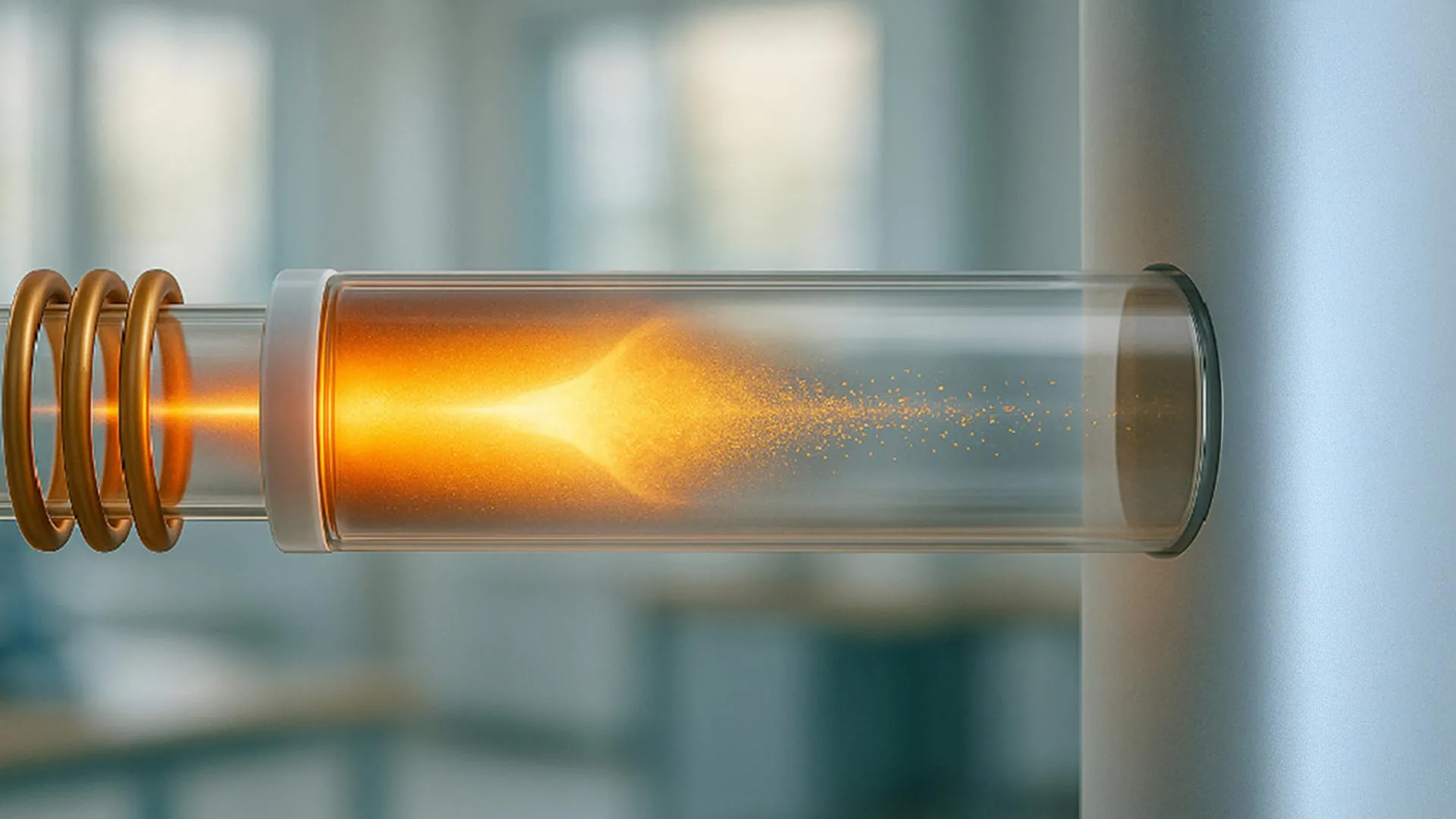
Lawrence Livermore researchers find that cooling pathways dramatically alter radioactive particle formation, especially for volatile elements like cesium.

IAEA chief Rafael Grossi says the Central Asian state is willing to hold Tehran's near-weapons-grade stockpile — but Iranian lawmakers are already rejecting the idea.

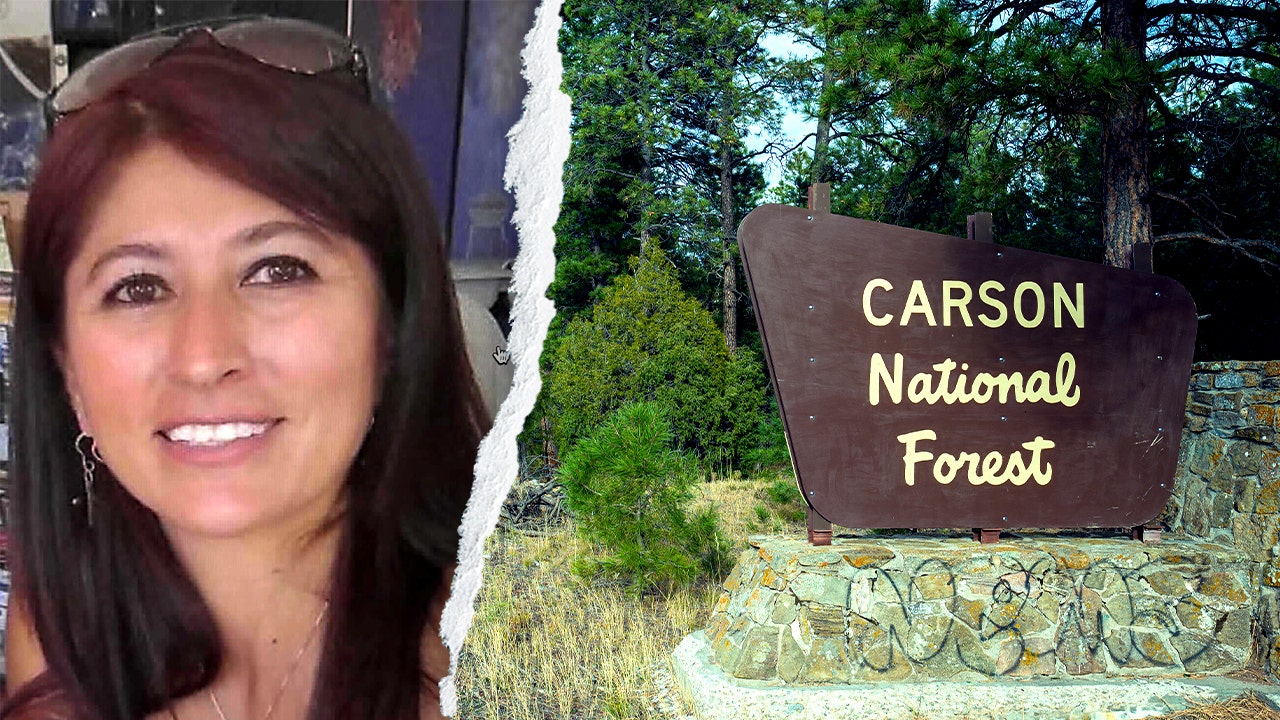
The remains of Melissa Casias, a Los Alamos National Laboratory employee who vanished nearly a year ago, were found in a New Mexico forest as Congress investigates a string of deaths and disappearances tied to nuclear and rocket secrets.
WatchIn back-to-back hearings, the secretary of state told lawmakers Iran has agreed to discuss aspects of its nuclear work it long refused to address, even as Democrats pressed him over strikes launched without congressional approval.
WatchPresident Trump is deciding whether to approve a memorandum that would extend the U.S.-Iran ceasefire 60 days, reopen the world's most critical oil chokepoint, and launch nuclear talks. Tehran says contradictory U.S. positions are stalling the agreement.
Negotiators have agreed on a memorandum that would restore unrestricted shipping through the world's most important oil chokepoint and open talks on Iran's nuclear program — but President Trump has not yet given final approval.
The London-based International Institute for Strategic Studies says the world is entering a new nuclear arms race "with the Asia-Pacific at its core," with neither side showing clear guardrails against striking the other's command networks.

President Trump claims agreement is "largely negotiated" while American and Iranian officials describe terms differently, raising questions about actual progress.

U.S. officials confirm Iran committed to uranium concessions as part of initial agreement, though precise details remain unclear.

President weighs options including deep underground nuclear storage facilities and missile sites as diplomatic efforts stall.

A loitering munition slipped past UAE air defenses and ignited a generator outside the four-reactor Barakah complex Sunday, prompting an IAEA condemnation, an oil-market jolt and pointed warnings from Washington as Iran denied involvement and a fragile ceasefire wobbled.

Both armies hold dueling press conferences a year after the four-day clash, with each side claiming the upper hand and warning of escalation if tested again.

President confronts massive uranium enrichment program that emerged after his 2018 withdrawal from nuclear accord.

Iranian leaders express deep skepticism about trusting President Trump after he withdrew from the Obama-era nuclear agreement. Vice President Vance's diplomatic mission to Pakistan remains on hold.

Experts say Pickaxe Mountain facility illustrates the impossibility of relying on force alone to prevent Iran from acquiring nuclear weapons.
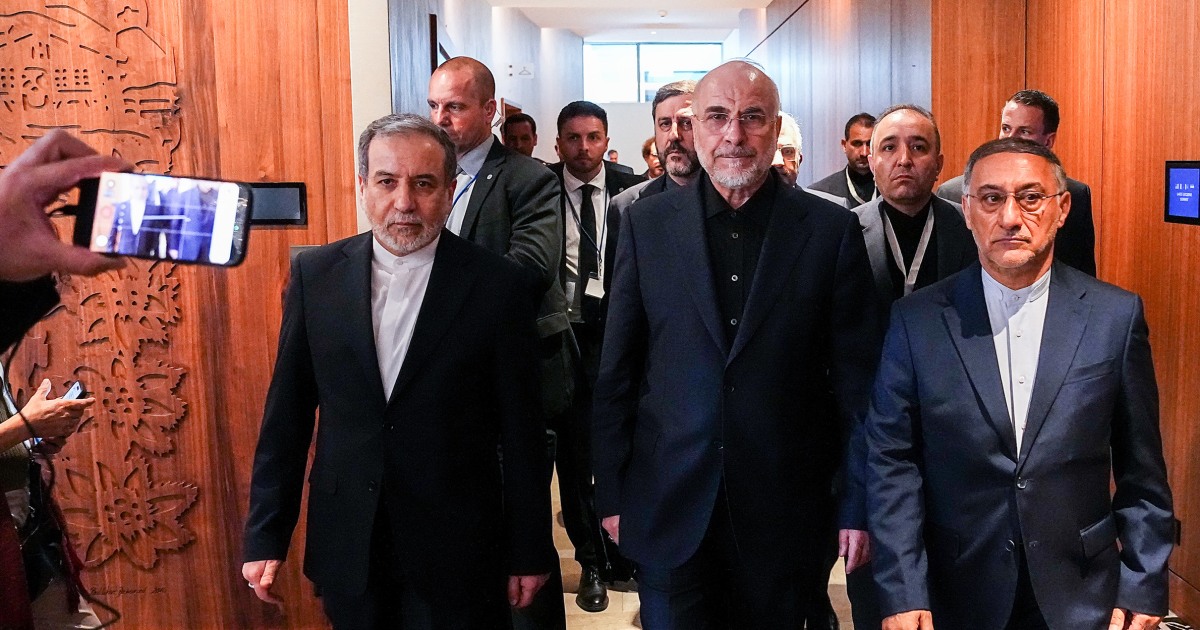
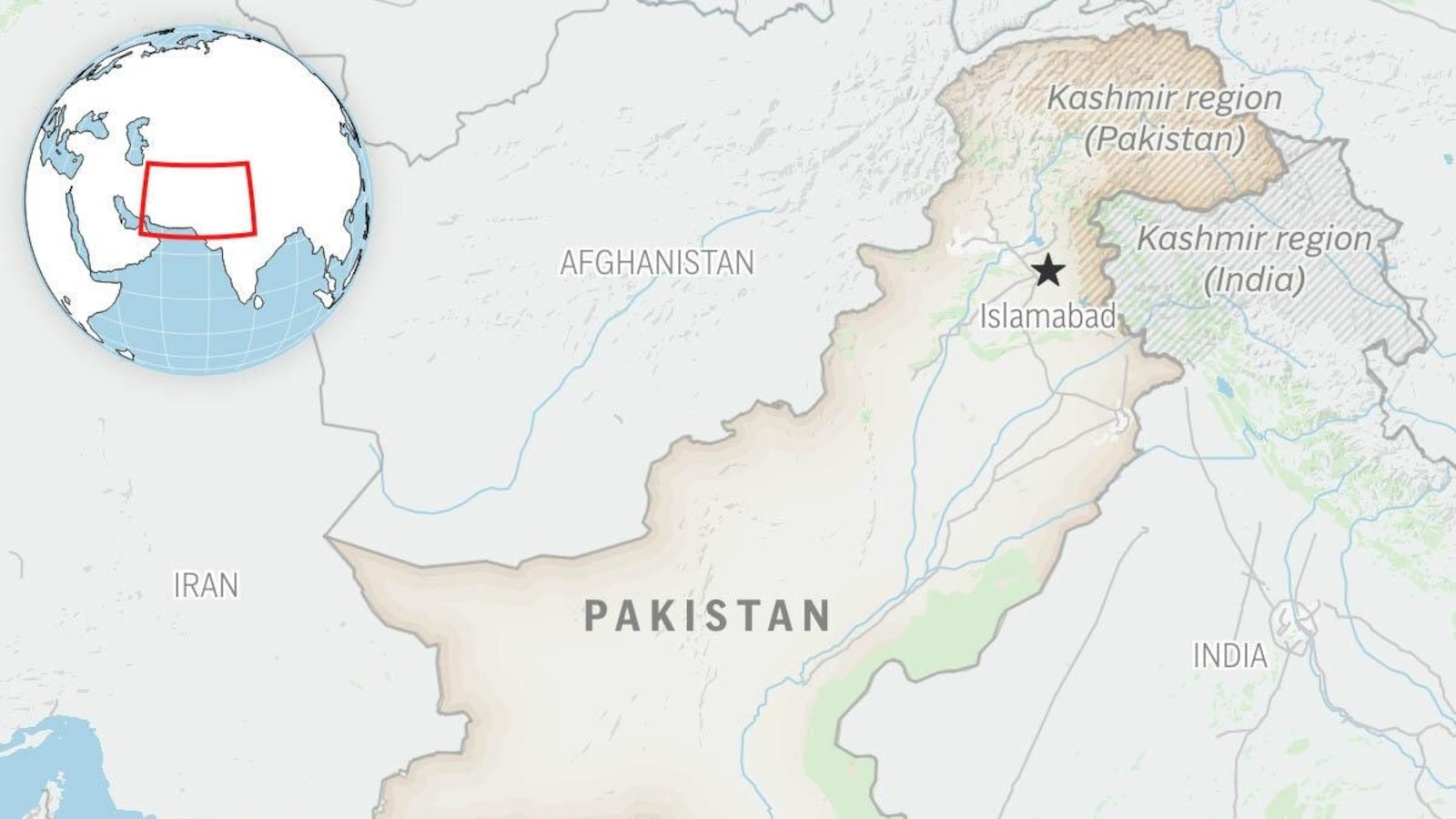
The vice president joins Witkoff and Kushner at Pakistan-hosted negotiations as Iran's parliament speaker arrives in Islamabad — and both sides arrive with fundamentally incompatible demands.
Tehran's peace plan differs significantly from what President Trump called a 'workable basis' for negotiations, reasserting key Iranian positions.
Vice President Vance and special envoy Witkoff will lead the American delegation as both sides arrive with incompatible demands — but a shared interest in avoiding renewed conflict.
Discovery explains why particles hit fusion reactor walls unevenly, advancing practical reactor design by combining rotation with drift effects.
The Shahid Ahmadi Roshan enrichment complex was struck for the second time since Operation Epic Fury began, with Iran reporting no radiation leak, even as Trump posted on Truth Social that the U.S. is 'getting very close to meeting our objectives' while simultaneously sending three more warships toward the Gulf.