Iran and U.S. Signal Progress Toward Initial Peace Deal Despite Murky Details
President Trump claims agreement is "largely negotiated" while American and Iranian officials describe terms differently, raising questions about actual progress.

President Trump announced that the United States and Iran have "largely negotiated" an agreement to end their ongoing military conflict, though American and Iranian officials continue to describe the proposed terms in markedly different ways, leaving the actual progress toward peace unclear. The announcement comes after months of escalating tensions and military action that have disrupted global oil markets and raised fears of broader regional warfare.
Trump's statement, made during a weekend press conference, suggested that a framework for ending hostilities was nearly complete. However, senior administration officials speaking on background painted a more cautious picture, emphasizing that significant disagreements remain over key provisions including sanctions relief, uranium enrichment limits, and the timeline for implementation. Iranian officials, meanwhile, have not formally responded to Trump's announcement, though some have suggested different interpretations of what has been discussed.
The potential agreement appears to center on Iran's willingness to significantly reduce its uranium enrichment activities in exchange for the lifting of economic sanctions that have crippled its economy. Sources familiar with the negotiations indicate that Iran would be required to ship much of its enriched uranium stockpile out of the country and allow enhanced international inspections of its nuclear facilities. In return, the United States would gradually lift sanctions that have targeted Iran's oil exports, banking sector, and other key industries.
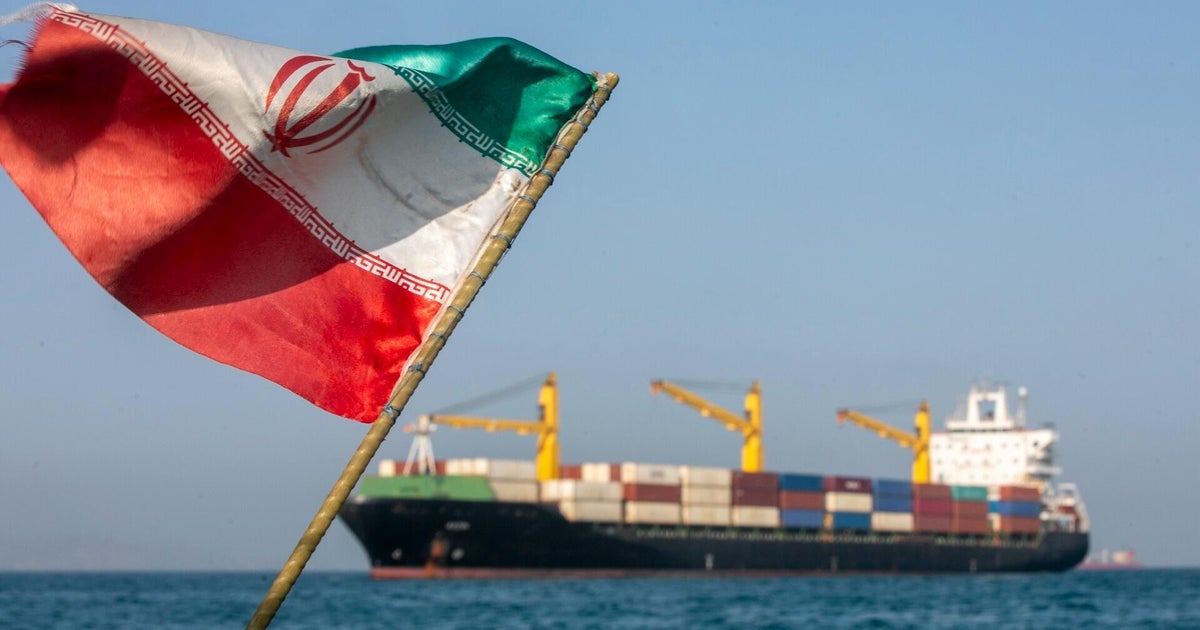
One of the most significant elements of the reported deal involves the Strait of Hormuz, the critical oil shipping chokepoint that Iran has threatened to close during the conflict. Iranian officials have suggested that the strait could reopen to normal commercial traffic as part of any agreement, potentially easing global energy prices that have surged during the confrontation. However, the mechanism for ensuring safe passage and the role of international naval forces in the region remain contentious issues.
Despite Trump's optimistic assessment, significant obstacles remain before any formal agreement can be reached. Congressional Republicans have expressed skepticism about any deal that provides sanctions relief to Iran without permanent guarantees about its nuclear program. Meanwhile, hardliners in Iran continue to oppose any agreement that they view as capitulation to American pressure. The coming days will be critical in determining whether the reported progress can overcome these political challenges and produce a lasting resolution to the conflict.