U.S. and Iran Set to Sign War-Ending Deal Today as Trump Says Strait of Hormuz Will Open 'to All'
President Trump said the agreement is 'scheduled to get signed' Sunday, a step that would wind down a months-long conflict and reopen the waterway that carries a fifth of the world's oil.

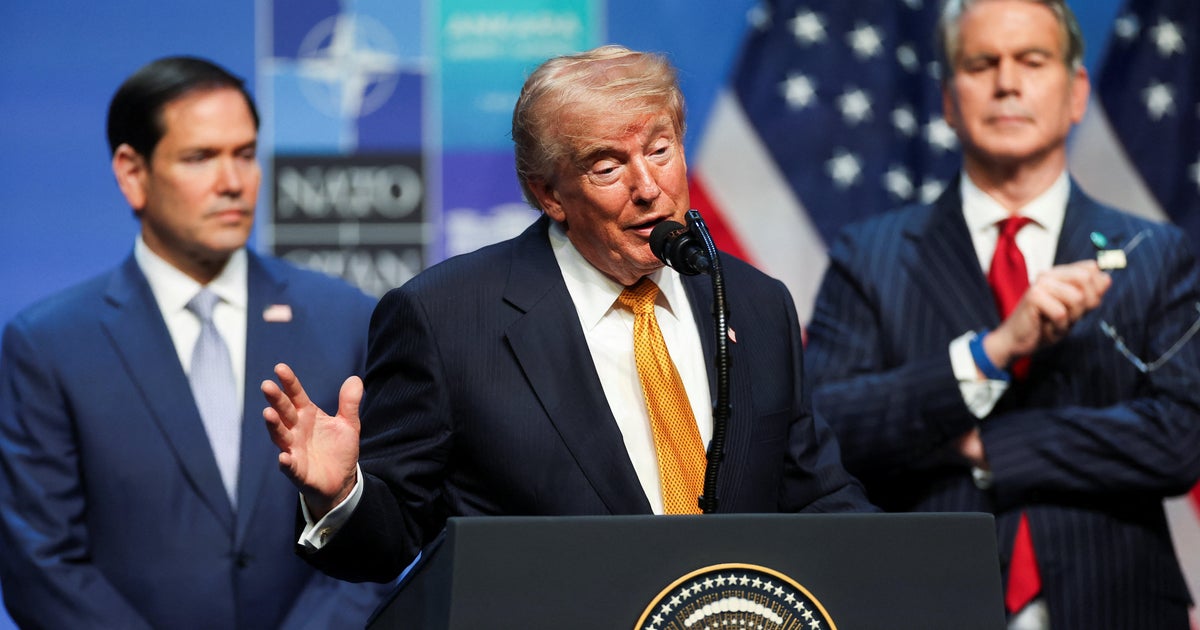
President Donald Trump said Saturday that the United States and Iran were poised to sign an agreement ending their months-long war, declaring on Truth Social that "the Deal is scheduled to get signed tomorrow, and immediately after it is signed, the Hormuz Strait is OPEN TO ALL." If the signing holds, it would mark the most consequential diplomatic breakthrough of a conflict that has roiled global energy markets since fighting erupted in late February.
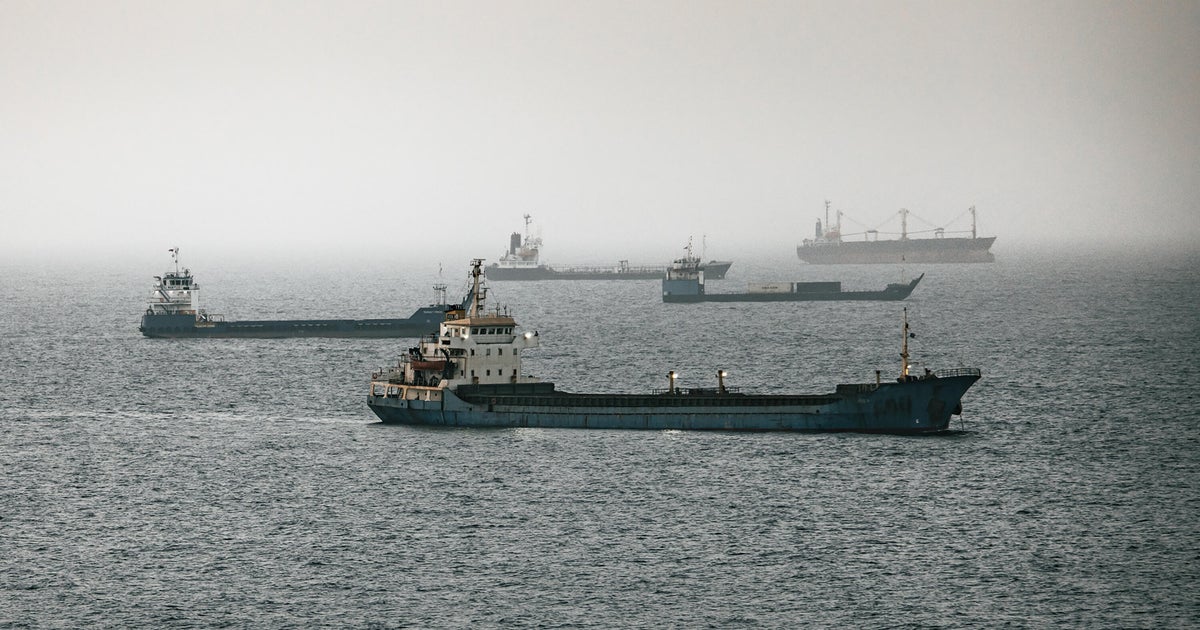
The framework, according to U.S. officials, takes the form of a memorandum of understanding that would trigger 60 more days of "technical" negotiations to work out implementation and the thorniest remaining issues. Under the terms described by officials, the Strait of Hormuz — the narrow chokepoint through which roughly a fifth of the world's oil passes — would reopen with no tolls, the U.S. naval blockade of Iranian ports would be lifted, and a second phase would focus on clearing mines from the waterway.
Pakistani Prime Minister Shehbaz Sharif, who has acted as a key mediator, said the two sides were "closer to a peace deal than ever before" and predicted a finalization "in the next 24 hours." Iranian Foreign Minister Abbas Araghchi signaled that reaching a memorandum of understanding "has never been closer," though it was not immediately clear whether Iran's supreme leader had given final sign-off. A senior U.S. administration official struck an optimistic note, telling reporters, "We think we have a deal. It's a great deal and a very strong deal."
Vice President JD Vance said Friday the agreement being finalized "has the potential to remake the region and lead to lasting peace." But the deal faces deep skepticism in Israel, where Prime Minister Benjamin Netanyahu warned that any accord must not leave Tehran with a path to a bomb. "As long as I am the Prime Minister of Israel — Iran will not have nuclear weapons," Netanyahu said. Israeli officials have privately cautioned that some of the terms could endanger their country's security interests.
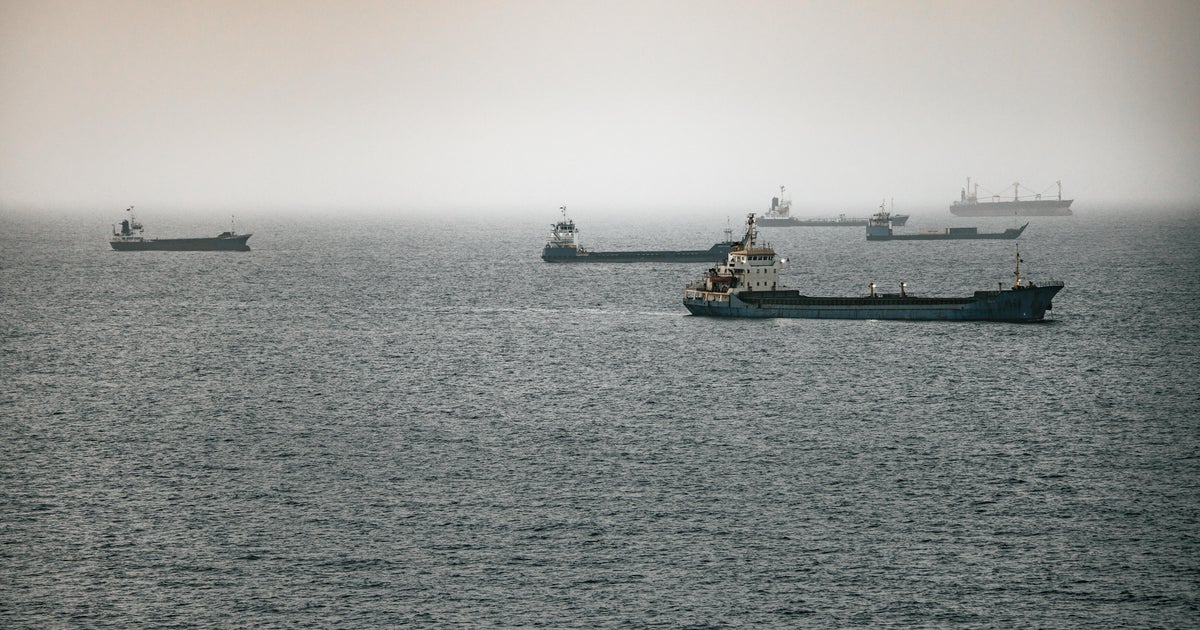
The conflict began on Feb. 28, when the United States and Israel launched strikes on Iran, and it has since disrupted shipping, sent oil prices sharply higher, and stranded vessels around the Persian Gulf. Brent crude has whipsawed on each twist in the talks, sliding this past week as traders bet a settlement was near. Secretary of State Marco Rubio and Treasury Secretary Scott Bessent have been central to the U.S. negotiating effort, which pairs the military de-escalation with economic incentives for Tehran if it complies. Even a signed memorandum, analysts cautioned, would face significant hurdles before oil flows fully normalize, including demining Hormuz, restarting idled production and repairing damaged energy infrastructure.